
02/01/1981 • 7 views
Pentagon Acknowledges Lost Nuclear Weapons Incidents
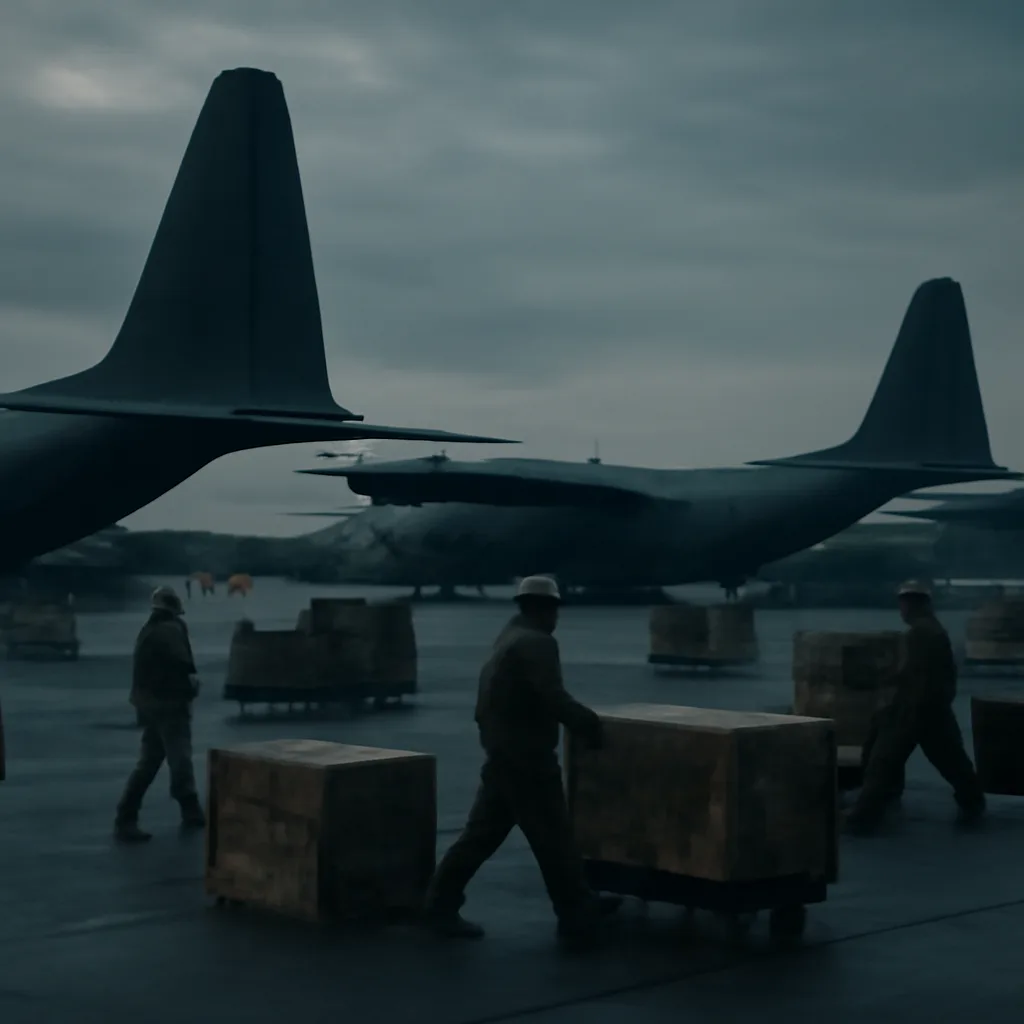
The Pentagon has acknowledged incidents in which U.S. nuclear weapons were temporarily misplaced or unaccounted for, a disclosure that revisits Cold War-era safety and accountability concerns about the handling and transport of strategic arms.
Context and scope
The incidents most frequently cited date from the 1950s through the early 1980s, a period when the United States maintained large stockpiles of nuclear weapons and conducted frequent movements of warheads by air, sea, and ground. Records released over decades by the Department of Defense, the Air Force, and investigative journalists describe episodes ranging from misfiled inventory records and administrative errors to mishaps during transport that temporarily rendered weapons unavailable for accounting.
Notable categories of incidents
- Administrative and inventory errors: Some losses were clerical—inventory counts that failed to match physical stock due to mislabeling, misplaced components, or record-keeping gaps. These cases often were resolved once audits or physical inspections were completed.
- Transportation mishaps: On occasion, nuclear weapons or their components were flown, shipped, or convoyed without proper documentation, or their exact location was unclear for short periods during transit. These incidents highlighted procedural weaknesses in chain-of-custody practices.
- Accidents and crashes: A subset of cases involved aircraft accidents carrying nuclear payloads. In several well-documented Cold War crashes, weapons were damaged, partially recovered, or their whereabouts were temporarily uncertain while recovery operations proceeded.
Official responses and investigations
Pentagon acknowledgments have typically accompanied internal reviews, congressional oversight, or journalism that drew public attention to particular episodes. Investigations have led to procedural changes: tightened inventory controls, improved tracking during transport, enhanced safety protocols, and reforms in command-and-control procedures intended to reduce human error and increase accountability.
Public and political reaction
Revelations of lost or unaccounted-for nuclear weapons have provoked public concern and political scrutiny, particularly among lawmakers and advocacy groups focused on nonproliferation and nuclear safety. Critics have used such incidents to argue for stronger transparency and further limits on deployments, while military officials have emphasized corrective measures and the rarity of such events relative to overall operations.
Limitations and dispute
The historical record is uneven. Some incidents remain partially classified, some details were obscured at the time for national security reasons, and reporting on specific cases has sometimes contained inconsistencies. Where documentation is incomplete or disputed, government statements and declassified files provide the primary verifiable sources; secondary reporting by reputable journalists and historians helps contextualize but does not resolve every uncertainty.
Contemporary relevance
These historical admissions inform present debates about nuclear stewardship. Officials and analysts point to past problems as lessons for modern safeguards—especially as arsenals are modernized, logistics remain complex, and rapid movements or high-tempo operations recur. The episodes have also shaped public expectations about transparency and the need for robust civilian and congressional oversight of strategic weapons.
Conclusion
The Pentagon’s acknowledgments of lost or temporarily unaccounted-for nuclear weapons incidents illuminate a difficult chapter in Cold War logistics and command practices. While many episodes were resolved administratively or through recovery efforts, they prompted reforms and continue to be cited in discussions about nuclear safety, accountability, and the importance of rigorous oversight.