
← Back
02/01/2001 • 5 views

Man reportedly regains consciousness during embalming in 2001
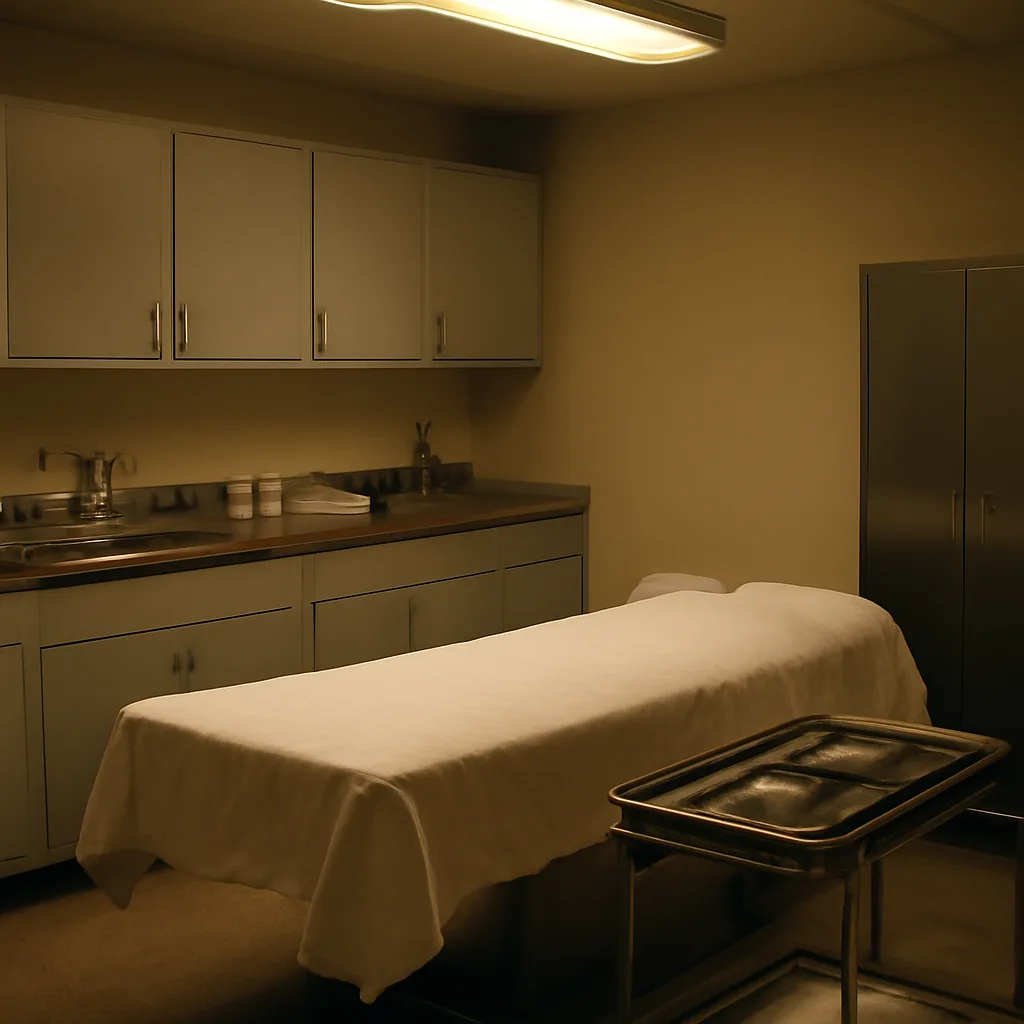
Funeral home preparation room with embalming table, instruments, and subdued lighting; no identifiable people.

In February 2001 a Washington state man was reported to have regained brief consciousness during embalming preparations after being declared dead; medical and legal follow-up highlighted diagnostic uncertainty in cases of apparent death.


On February 1, 2001, local media reported that a man in Washington state who had been declared dead showed signs of life while funeral-home staff were preparing his body for embalming. Accounts at the time described movement and vocalization observed when workers began procedures, prompting immediate notification of emergency services and renewed medical assessment.

The incident occurred after the individual had been examined by medical personnel and pronounced dead. Details in contemporary reporting indicate the interval between pronouncement and the discovery of postmortem movement was short, though exact timing varied across accounts. Emergency responders and the attending physician returned to reassess, and the case raised questions about the criteria and methods used to determine death in situations where clinical signs are minimal.

Medically, cases of apparent recovery after death pronouncement are rare and generally arise from diagnostic uncertainty rather than a true reversal of biological death. Conditions such as hypothermia, drug overdose, severe hypotension, or certain neurologic states can produce profoundly depressed vital signs that mimic death. Transient spinal reflexes and postmortem muscular contractions also can create the appearance of purposeful movement after circulation has ceased. In some documented instances elsewhere, so-called “Lazarus phenomena” refer to spontaneous return of circulation after failed resuscitation, but these are distinct from reports of apparent consciousness during embalming.

Legal and professional standards for pronouncing death vary by jurisdiction and have evolved to reduce misdiagnosis. Typical criteria include absence of pulse, respirations, and pupillary response, and in hospital settings often incorporate additional monitoring or an observing interval before formal pronouncement. When death is pronounced in nonhospital settings, or when initial assessments are brief, there is greater potential for error, particularly in the presence of confounding medical conditions.

Funeral-home protocols likewise emphasize caution. Many morticians and embalmers are trained to verify death documentation and to be alert for signs of residual life before invasive preparation. Professional guidelines recommend confirming the attending physician’s pronouncement and, when in doubt, deferring procedures until uncertainty is resolved.

The 2001 Washington case prompted local review and discussion among medical examiners, clinicians, and funeral professionals about improving checks to prevent premature burial or embalming. Public reporting of similar incidents historically has led to calls for clearer protocols, improved training in death determination, and, in some jurisdictions, requirements for longer observation periods or ancillary testing when clinical signs are equivocal.

Because contemporary news stories sometimes contained varying details and follow-up documentation in public records is limited, some specifics of the case—such as the precise medical condition of the man, the length of time between pronouncement and observed movement, and final medical-legal determinations—are not fully available in the public domain. What is clear from reliable reporting is that the event underscored known vulnerabilities in death determination and reinforced professional practices to minimize the risk of premature procedures on individuals who may still have reversible signs of life.

Incidents like the 2001 report remain rare but continue to inform ongoing training and policy development among clinicians, emergency personnel, and mortuary staff to ensure that declarations of death are made with appropriate caution and documentation.

Share this

Email Share on X Facebook Reddit

Did this surprise you?