
← Back
01/27/1913 • 5 views

Jim Thorpe Stripped of 1912 Olympic Medals Over Earlier Semi‑Pro Baseball Play
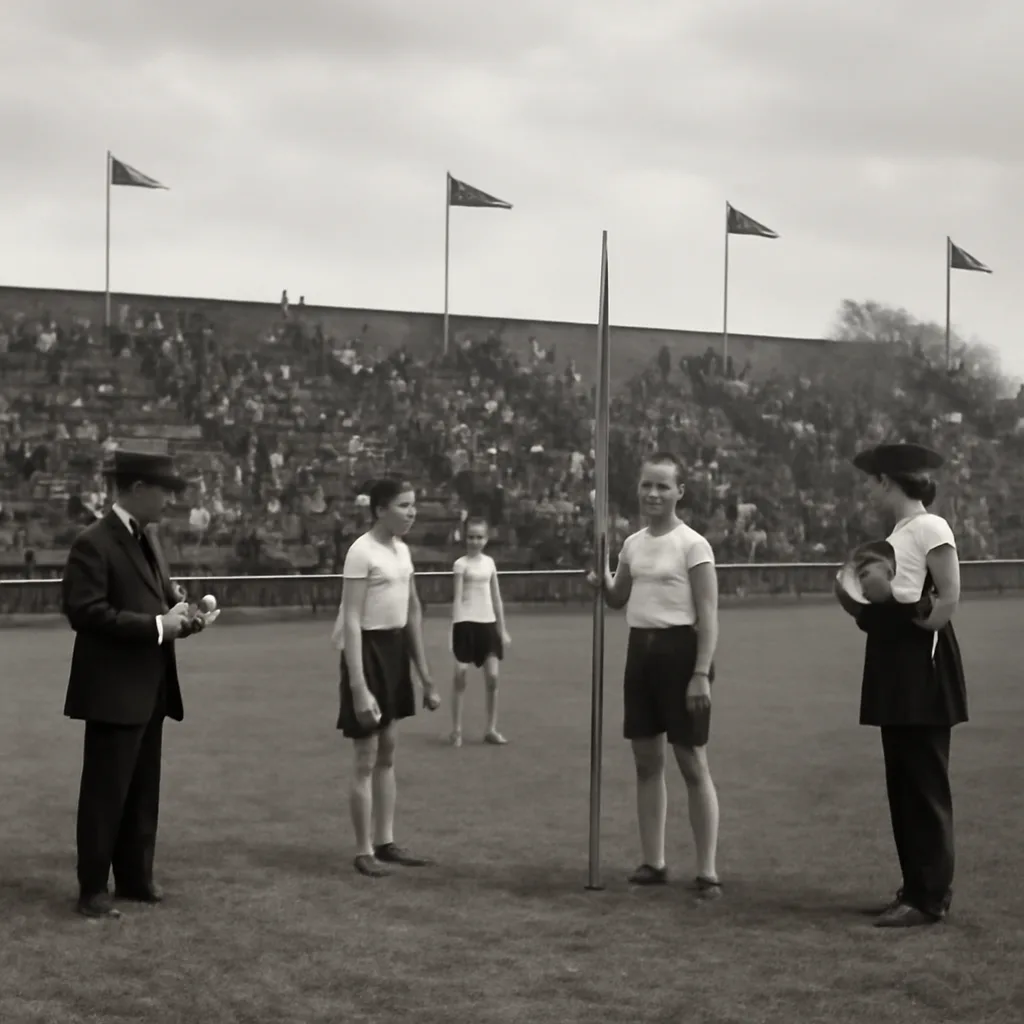
Historic‑era outdoor track field with early 20th‑century athletes and officials in period clothing; a staged scene suggesting the 1912 Olympic competition context without showing identifiable faces.

On January 27, 1913, the Amateur Athletic Union declared that Jim Thorpe had violated amateurism rules by playing minor‑league baseball in 1909–10, and the International Olympic Committee subsequently revoked his 1912 Olympic pentathlon and decathlon titles.


On January 27, 1913, the Amateur Athletic Union (AAU) ruled that Jim Thorpe, the Native American athlete who won the pentathlon and decathlon at the 1912 Stockholm Olympics, had violated amateurism regulations by having played professional baseball in 1909–10. The AAU decision prompted the International Olympic Committee (IOC) to disqualify Thorpe and strip him of his Olympic gold medals, records that were subsequently reassigned to the runners‑up.

Background
Jim Thorpe (Winnebago, later Sac and Fox) had become an international sensation in Stockholm in July 1912, capturing both the pentathlon and decathlon and earning acclaim for his versatility and athleticism. At that time, Olympic rules hinged on a strict definition of amateurism: athletes who had received payment for athletic competition were ineligible to compete in Olympic events. The AAU, which governed amateur sport in the United States, investigated Thorpe's past after reports emerged that he had accepted payment to play minor‑league baseball prior to the Olympics.

The AAU ruling and IOC action
The AAU found that Thorpe had played for two seasons (1909 and 1910) with professional and semi‑professional baseball teams and had received money for his play. On January 27, 1913, the AAU formally declared him a professional and recommended that his amateur status be revoked. Following the AAU’s determination, the IOC disqualified Thorpe from the 1912 events and reallocated the gold medals to the athletes who had placed behind him in Stockholm. Thorpe’s results were annulled in official Olympic records.

Contemporaneous reaction and context
The decision provoked debate at the time. Some sports officials and journalists defended the strict amateur rules as essential to the Olympic ideal of the era; others criticized the severity of stripping Thorpe’s medals given the informal nature of contracts and record‑keeping in lower‑level baseball at the time, as well as questions about whether Thorpe fully understood the long‑term consequences of appearing in paid games. The controversy intersected with broader social dynamics, including racial and cultural attitudes toward Native American athletes in early‑20th‑century America.

Longer‑term legacy and later developments
Thorpe lived the rest of his life as a celebrated and controversial figure. For decades the 1912 results remained altered in official records. The question of whether the AAU and IOC had fairly applied their rules persisted among sports historians. In 1982, after mounting advocacy and review of documentation, the IOC reinstated Thorpe’s Olympic records as co‑winner for the pentathlon and decathlon; in 2022 the IOC granted him full recognition as sole gold medalist for both events, formally restoring his titles long after his death in 1953. The 1913 stripping of his medals remains a key episode in discussions about amateurism, fairness, and how sporting institutions have treated athletes from marginalized communities.

Significance
The case underscores the evolving nature of Olympic eligibility rules and highlights how historical judgments about amateurism have had lasting consequences for individual athletes’ legacies. Thorpe’s experience prompted reassessments of how sporting bodies adjudicate eligibility and of the social context in which those decisions are made.

Share this

Email Share on X Facebook Reddit

Did this surprise you?