
04/22/1915 • 6 views
New Evidence Reopens Questions About the Sinking of RMS Lusitania
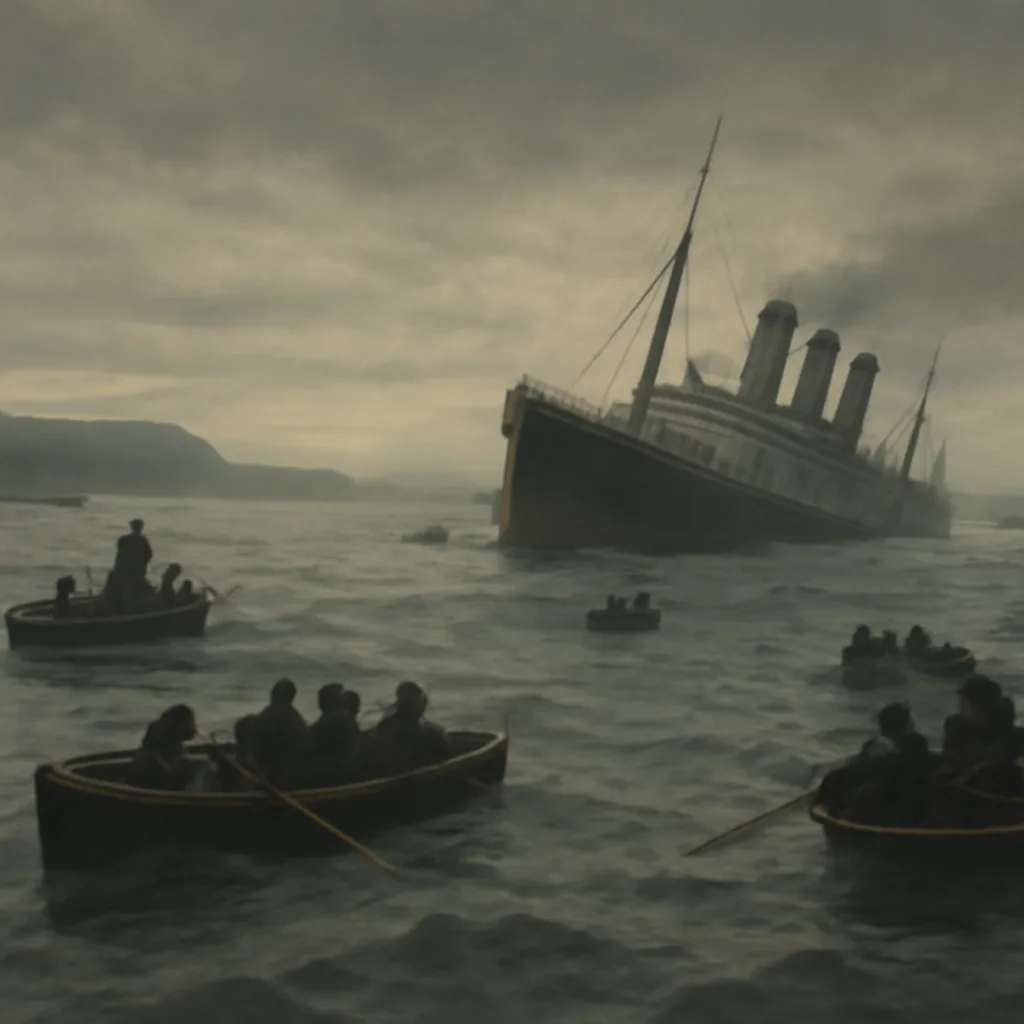
Recent archival material and forensic reassessments have renewed debate over the circumstances of the RMS Lusitania’s sinking on 22 April 1915, highlighting contested issues about cargo, damage, and whether wartime secrecy shaped contemporary accounts.
Cargo and Contraband
A central and enduring question concerns the Lusitania’s cargo. The British government and Cunard Line maintained that the ship was a civilian passenger vessel. German authorities argued it was carrying war materiel and thus a legitimate target under prize rules. Archival manifests and Admiralty correspondence released or re-examined in recent decades confirm that the Lusitania carried a range of cargos, including small quantities of munitions and other government supplies. Historians generally agree the cargo did include ammunition and non-explosive military stores, but debate continues over whether these items significantly contributed to the rapid catastrophic flooding and secondary explosions reported by contemporaries.
Damage, Explosions, and Sinking Sequence
Survivor statements, contemporary press reports, and U-20 logs concur that a torpedo struck the starboard side, followed seconds later by a larger internal explosion or series of explosions. Forensic analysis of hull remains and studies of similar ship structures suggest the initial torpedo damage could have been amplified by existing conditions—such as open hull openings, watertight-door practices of the period, and the location of coal and boiler rooms—producing rapid progressive flooding. Some researchers argue that any cargo blast would likely have been limited given placement and quantities of munitions; others contend that ignition of coal dust, fuel oil, or stored materials could explain the secondary explosions.
Wartime Secrecy and Information Control
Government censorship and the exigencies of war shaped the public narrative. The British government took steps to control information about the ship’s movements and cargo, citing military necessity. German naval communications framed the attack as lawful under their interpretation of blockade enforcement. Newspapers in Allied and neutral countries presented conflicting accounts influenced by government leaks, censorship, and public sentiment. The result was a patchwork record that historians must piece together from fragmentary and sometimes partisan sources.
Legal and Diplomatic Aftermath
The sinking prompted diplomatic protests from neutral governments, most notably the United States, where outrage helped shift public opinion toward greater hostility to Germany. In May 1915, Germany issued the so-called Arabic and Sussex pledges—temporary restrictions on submarine warfare—partly in response to diplomatic pressure. Legal and moral debates about the status of civilian liners carrying war-related cargo persisted through and after the war and resurfaced in inquiries and compensation claims.
Recent Reassessments and Open Questions
Newly available documents—shipping manifests, Admiralty files, and German naval records—alongside contemporary forensic modeling, have clarified some technical aspects of the sinking while leaving key questions unsettled. Scholars now more cautiously state what is known: a torpedo strike by U-20 initiated catastrophic structural failure; the Lusitania carried some war-related cargo; and information control by belligerent states affected public understanding. What remains disputed are the roles and relative contributions of cargo, coal/boiler conditions, and ship design in producing the swift loss of life.
Conclusion
The Lusitania’s sinking remains a complex historical episode at the intersection of maritime technology, international law, and wartime information management. Recent investigative work has illuminated parts of the story but has not produced unanimous conclusions. Where evidence is incomplete or contested, historians note uncertainty rather than invent definitive causal chains, and the event continues to be re-evaluated as further documents and technical analyses become available.