
← Back
04/22/1931 • 7 views

Universal's Dracula premieres, reshaping the modern horror film
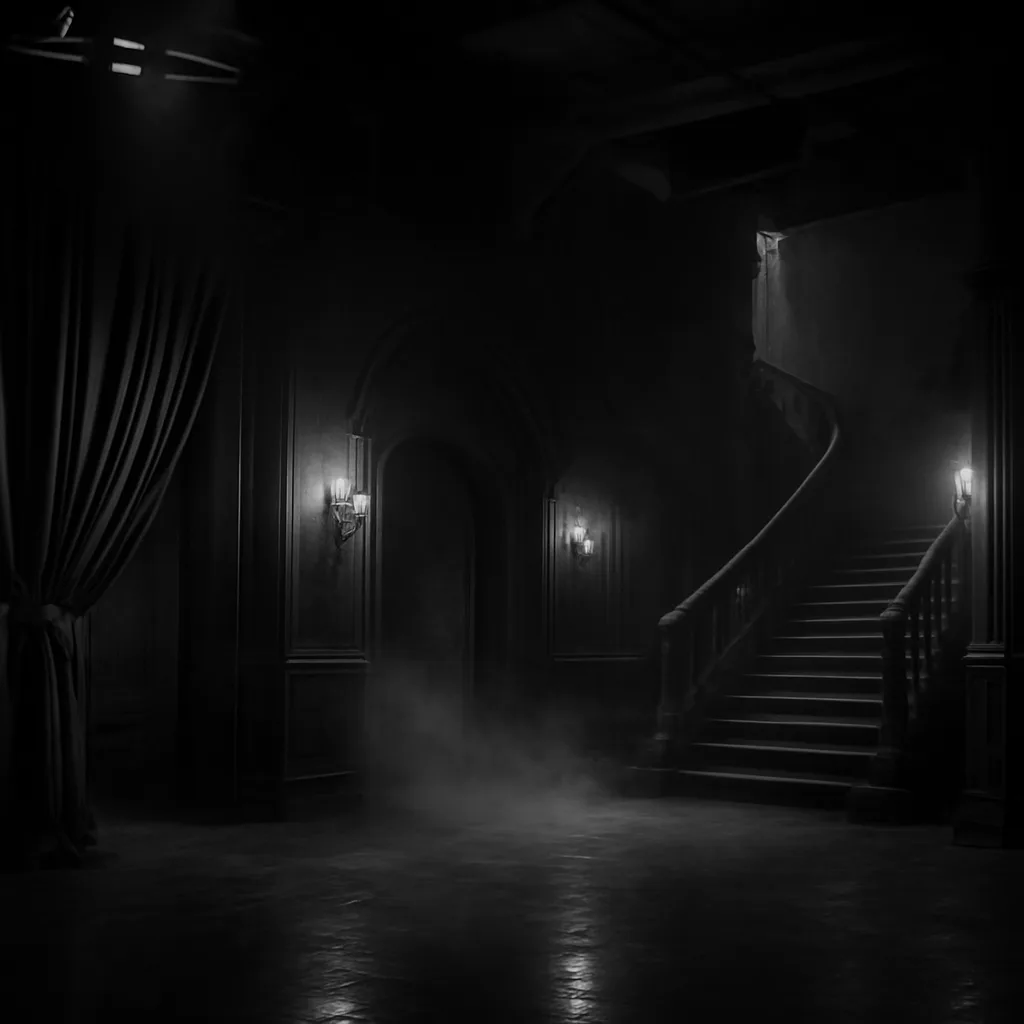
Black-and-white scene of a shadowed Gothic hotel lobby set with heavy drapery and period furnishings, suggestive of early 1930s studio horror production.

On April 22, 1931, Universal Pictures released Dracula in New York, a film whose visual style, sound design and studio-driven production helped define conventions of modern Hollywood horror and brought Bram Stoker's vampire to worldwide cinemas.


On April 22, 1931, Universal Pictures premiered Dracula in New York City, marking a watershed moment in the development of the modern horror film. Directed by Tod Browning and starring Bela Lugosi as Count Dracula, the film adapted Bram Stoker’s 1897 novel for sound-era audiences and established aesthetic and commercial practices that would shape horror cinema for decades.

Production and context
The film emerged at a transitional moment in Hollywood: the advent of synchronized sound had transformed filmmaking and studios were exploring new genres that could draw audiences to theaters. Universal, then a smaller major studio, invested in adaptations of gothic literature as a way to produce visually arresting, low-to-moderate-budget pictures with broad appeal. Tod Browning, who had directed successful silent-era melodramas and worked with Lugosi on stage, was hired to helm the picture. Lugosi, a Hungarian-born actor who had starred in the Broadway production of Dracula in 1927, brought a concentrated, theatrical presence to the role that became iconic.

Style and innovations
Dracula’s influence lay less in technological novelty than in how it combined sound, studio-bound atmosphere and star focus to create sustained tension. The film relied on expressionistic lighting, fog, shadowed sets and close-ups that emphasized the uncanny. The use of sound—dialogue, musical underscoring and carefully timed effects—helped define how horror could manipulate mood and expectation in the talkie era. Universal’s approach favored economical set design and tight cinematography, establishing a template for future studio horror cycles that balanced atmosphere with production constraints.

Cultural reception and legacy
Contemporary reviews were mixed, with praise for Lugosi’s performance and the film’s atmosphere, alongside criticism of its stagebound pace and restrained special effects. Commercially, Dracula performed well enough to affirm Universal’s strategy; the studio followed with additional literary adaptations and original monster films, most notably Frankenstein (1931). Together, these titles launched Universal’s 1930s cycle of monster films and helped codify visual and narrative tropes—the brooding antagonist, the isolated castle or mansion, the blend of romance and dread—that continue in horror cinema.

Historiographical notes
Film scholars treat Dracula as a foundational example of early sound horror rather than the single origin of the genre. Earlier films contained horror elements, and international cinemas produced influential works before and after 1931. What distinguishes the 1931 Dracula is its commercial impact within Hollywood’s studio system, its consolidation of a screen persona in Lugosi, and its role in prompting a wave of studio horror productions aimed at mass audiences. Debates continue about the extent to which Tod Browning’s direction versus studio editing shaped the final cut; surviving production records indicate substantial studio oversight common to that era.

Today
Dracula (1931) is studied and screened as an early classic of American horror. While modern viewers often note the film’s theatrical pacing and modest effects, its striking imagery, soundscape and Lugosi’s performance remain touchstones in the history of cinematic representations of the vampire and in the broader development of genre filmmaking.

Share this

Email Share on X Facebook Reddit

Did this surprise you?