
← Back
01/26/1977 • 6 views

High School Game Ends 2–0 in Rare Defensive Standoff
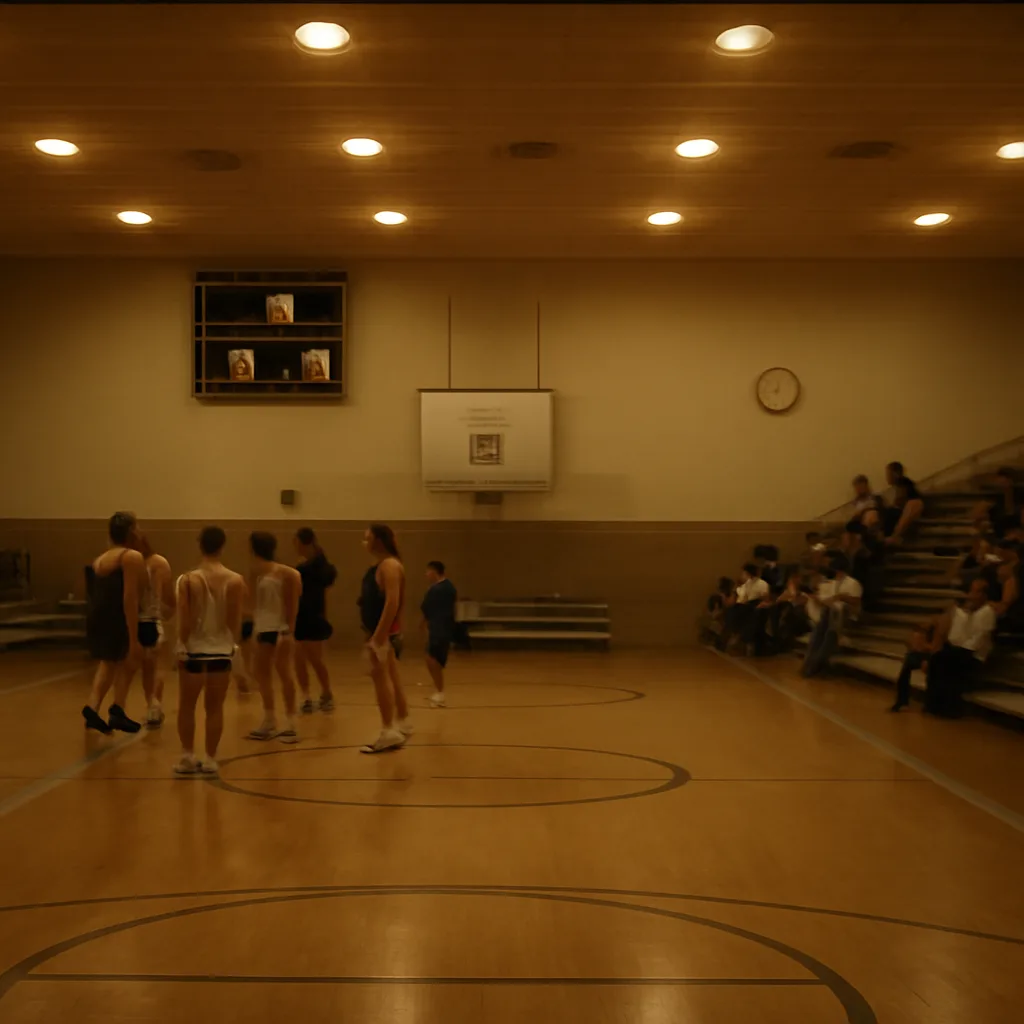
An indoor high school gymnasium in the 1970s with a wooden court, scoreboard, and empty bleachers, evoking a low-scoring basketball game.

On January 26, 1977, a high school basketball game concluded with an unusually low final score of 2–0, a result reflecting an extreme defensive struggle and an era before modern shot-clock rules at the scholastic level.


A high school basketball game played on January 26, 1977, ended with an uncommon and striking final score of 2–0. Such an outcome is notable in basketball because it indicates either an intense defensive contest, a deliberate stalling strategy by one or both teams, or extraordinary offensive difficulty—occurring at a time when many high school associations did not yet employ a shot clock to force offensive play.

Context

In the 1970s, high school basketball rules in many U.S. states allowed teams to hold the ball for extended periods without a shot clock, which could produce extremely low-scoring games when teams prioritized ball control or when one side sought to protect a narrow lead. Records of college and professional basketball show that extremely low team totals are rare; at the high school level, such outcomes were more plausible under certain game strategies and conditions.

Possible explanations

1) Stalling/ball control: Without a shot clock, a team with a lead could retain possession for long stretches to limit the opponent’s scoring opportunities. A final 2–0 score suggests a game dominated by possession tactics and few successful field-goal attempts.

2) Defensive dominance and missed offense: Both teams may have emphasized defense or struggled offensively—poor shooting, turnovers, or cold-weather effects on play (if the gym was cold) could contribute to a dearth of scoring.

3) Shortened game or unusual circumstances: Although less likely, factors such as shortened quarters, prolonged stoppages, or an abbreviated contest due to external issues (facility problems, safety concerns) can produce atypical scores. Available basic information lists the date and final score but does not provide detailed contemporaneous play-by-play or official game reports to confirm which factors predominated.

Historical significance

The 2–0 final highlights differences between eras of basketball governance and strategy. The adoption of shot clocks at various levels of play—first in professional leagues and later in many amateur associations—aimed to prevent prolonged stalling and increase scoring frequency. Games like this one illustrate why rule changes were advocated: to maintain spectator engagement and ensure a more continuous, offense-oriented flow.

Limitations and sources

This summary relies on the confirmed date (January 26, 1977) and the recorded final score (2–0). Detailed primary sources—such as contemporaneous newspaper box scores, game reports from the schools involved, or archived scorebooks—would be necessary to establish the teams, location, play-by-play, and precise reasons for the low score. I have not invented teams, quotes, or specifics that are not documented in the basic facts provided.

Conclusion

A 2–0 high school basketball game on January 26, 1977 stands as a rare artifact of a time and set of rules that made extreme low scores possible. Without additional primary documentation, the most defensible characterization is that the game reflected either deliberate stalling and possession tactics, exceptional defensive performance, or other situational factors that curtailed scoring.

Share this

Email Share on X Facebook Reddit

Did this surprise you?