
← Back
09/29/1982 • 5 views

1982 Chicago Tylenol Murders: First documented deaths from consumer product tampering
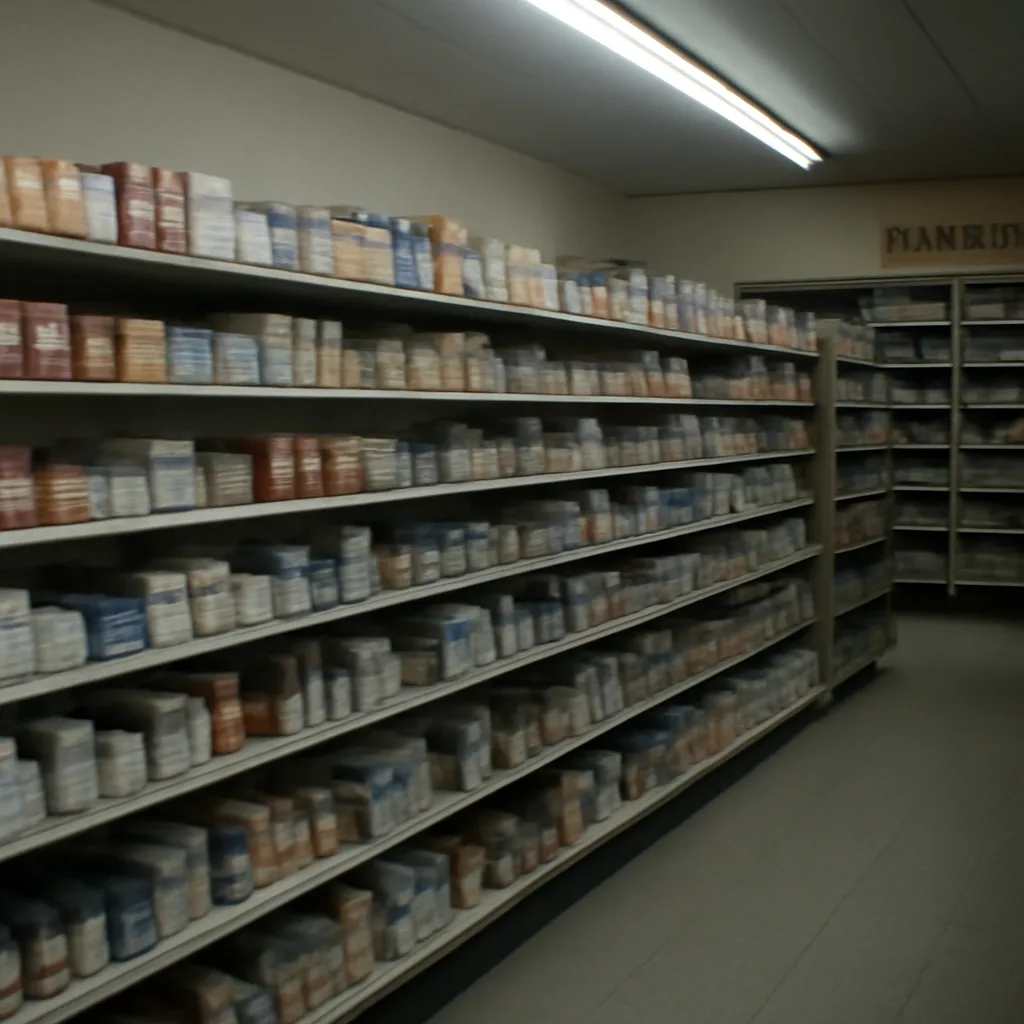
A medication aisle in an early 1980s drugstore with shelves of over-the-counter pill bottles and boxed packages; no identifiable people.

In late 1982, seven people in the Chicago area died after ingesting cyanide-laced Tylenol capsules, marking the first widely recognized case in the U.S. of fatal tampering of a mass-market over‑the‑counter medication and prompting major changes in packaging and consumer safety regulation.


In September and October 1982, the Chicago area experienced a cluster of sudden deaths that would become the definitive example of lethal product tampering in modern U.S. consumer history. Seven people—ranging in age from 12 to 35—died after taking Extra-Strength Tylenol capsules manufactured by Johnson & Johnson; investigators later concluded the capsules had been deliberately laced with potassium cyanide. The case prompted a large FBI investigation, widespread public alarm, and lasting changes in how over‑the‑counter medications are packaged and regulated.

Timeline and investigation

The unusual deaths began in late September 1982 when several victims were found dead after collapsing in their homes. Local police and the Cook County coroner detected severe cyanide poisoning; subsequent interviews linked the victims to the recent consumption of Tylenol capsules. Authorities discovered that some tampered bottles had been returned to stores, and in at least one instance an opened bottle recovered from a victim’s apartment contained loose capsules with a powdery residue.

The FBI took the lead in the federal investigation, which examined retail distribution chains, manufacturing records, and possible suspects. Despite an extensive inquiry—including testing of exhibits, analysis of the poison, and searches of leads—no one was ever convicted in the Chicago Tylenol murders. A prime suspect, James W. Lewis, was convicted of extortion for sending a letter to Johnson & Johnson demanding money to stop the poisonings, but he was not charged with the murders and has denied involvement. To this day, the identity of the person or persons who contaminated the Tylenol capsules remains officially unsolved.

Impact on industry and regulation

The Tylenol murders had immediate and long-term effects on public health policy, corporate crisis management, and consumer packaging. Johnson & Johnson issued a nationwide recall of Tylenol products—estimated at millions of bottles—costing the company tens of millions of dollars but widely credited with responsible crisis response. The case accelerated the adoption of tamper-evident packaging across the pharmaceutical and food industries. By the mid‑1980s, federal regulations required tamper-evident seals and other safeguards for over‑the‑counter medications; manufacturers began using sealed bottles, shrink bands, and blister packs to protect products after they left the factory.

Public reaction and broader consequences

The poisonings produced intense media coverage and public fear, particularly because the tampering appeared to be random and targeted at widely sold consumer products. Retailers temporarily pulled many capsule forms of medication from shelves; consumers shifted toward tablets and blister packs. The incident also influenced emergency response protocols when multiple unexplained poisonings are reported and increased emphasis on collaboration among local, state, and federal authorities.

Legacy and unresolved questions

The Tylenol poisonings remain a significant unsolved criminal case and a watershed moment in consumer safety. While the immediate preventive measures—tamper-evident packaging and stricter regulatory oversight—reduced the risk of similar incidents, the case also illustrates challenges in prosecuting crimes that involve dispersed retail distribution and anonymous tampering. Historians, public health officials, and criminal investigators continue to cite the 1982 Chicago poisonings as the first widely recognized instance in the United States of fatal product tampering that affected millions of consumers and led to nationwide policy changes.

Share this

Email Share on X Facebook Reddit

Did this surprise you?