
← Back
03/06/1904 • 6 views

How a 1904 'Haunting' Was Revealed as a Hoax
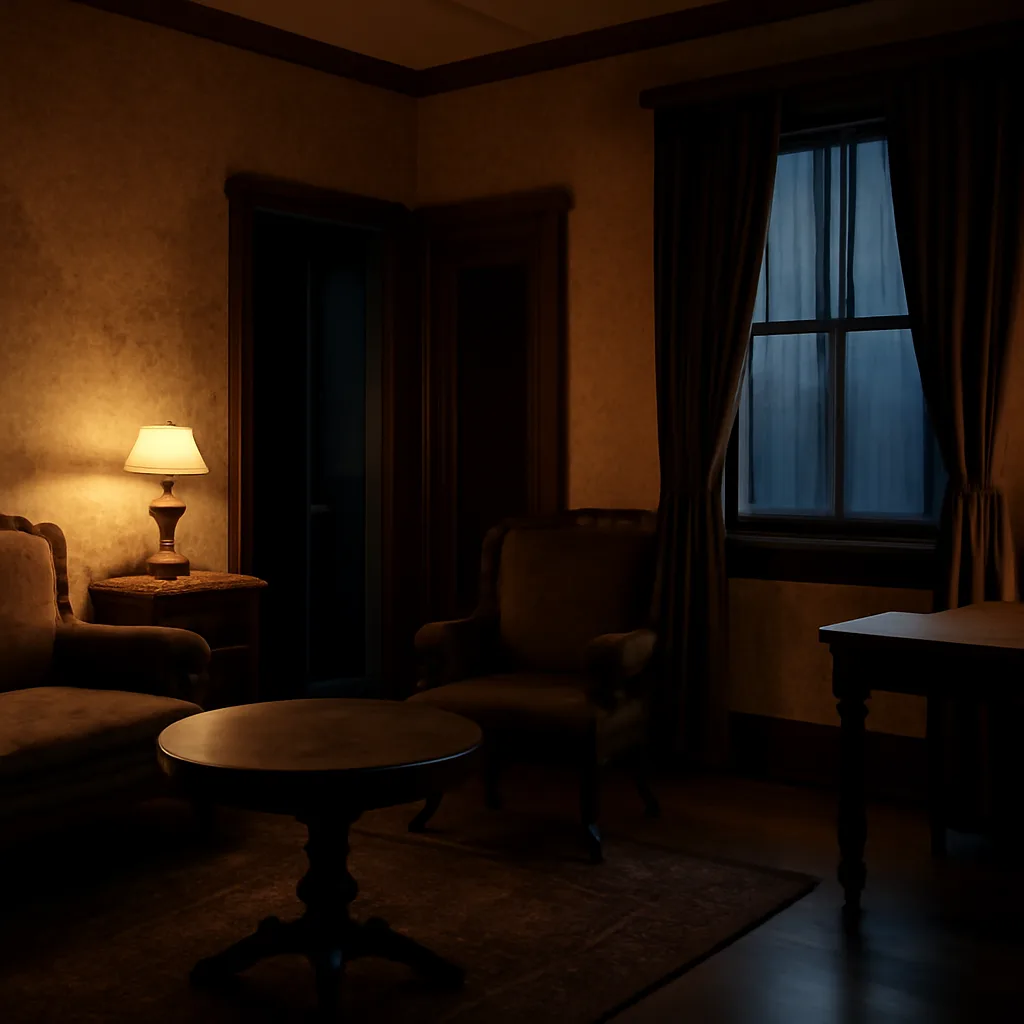
Early 20th-century parlor with furniture arranged, curtains and visible cords near a doorway, lit by gas or early electric lighting.

On March 6, 1904, a widely reported alleged haunting was publicly exposed as a staged event after investigators documented mechanical tricks and paid witnesses, marking one of the earliest well-documented cases of a manufactured paranormal spectacle.


In early 1904, press coverage of an alleged haunting at a private residence captured public attention until investigators demonstrated that the phenomena were manufactured. The case, reported on March 6, 1904, has since been cited by historians of popular superstition and journalism as an early example of how attention, commercial motives and rudimentary trickery could create—and then unmask—claims of the supernatural.

Contemporary newspapers described inexplicable noises, moving objects and spectral appearances at a home whose occupants attracted visitors and journalists. Interest in spiritualism and séances remained widespread in the late 19th and early 20th centuries, and reports of hauntings often drew crowds and fees for curious onlookers. In this instance, a combination of press scrutiny and on-site investigation revealed concrete mechanisms behind several claimed phenomena.

Investigators documented concealed wires and pulleys used to move objects, strings and wires attached to doors and curtains, and other physical contrivances that produced sounds attributed to spirits. In addition, testimony emerged that some witnesses had been offered payment to corroborate or sensationalize the story. Once these findings were published, public and press opinion shifted, and the narrative of a genuine haunting gave way to one of deliberate stagecraft.

The exposure of this case had several consequences. It underscored the importance of skeptical inquiry and on-site examination when extraordinary claims were made. It also illustrated how media coverage could amplify a local spectacle into a national story, and how financial incentives—ticket sales, paid testimony, or the promise of notoriety—could motivate fabrication. For historians of popular belief, the episode offers a clear early example of the intersection between entrepreneurial showmanship and the culture of spiritualism.

Not every detail of the events remains equally well-documented. Contemporary reports sometimes mixed factual description with editorial flourishes, and surviving records prioritize press accounts and investigative summaries over private correspondence from the homeowners. Scholars caution against treating any single newspaper story from the period as definitive; nonetheless, the broad outline—claims of supernatural happenings followed by a public demonstration of mechanical devices and coerced testimony—appears consistently in multiple accounts from the time.

The 1904 exposure also influenced later approaches to alleged paranormal phenomena. Investigators and skeptics increasingly emphasized controlled observation, documentation of physical evidence, and transparency about possible motives for deception. While belief in ghosts and spiritual communication continued, episodes like this one contributed to a growing repertoire of investigative methods aimed at distinguishing fraud and misinterpretation from genuinely puzzling phenomena.

Today the case is mainly of historical interest: it sheds light on the social and economic conditions that made staged hauntings effective, the role of newspapers in spreading sensational stories, and the early formation of skeptical techniques. It stands as a reminder that claims of the extraordinary are embedded in cultural contexts and that careful, evidence-based inquiry is necessary to separate performance from genuine mystery.

Share this

Email Share on X Facebook Reddit

Did this surprise you?