
← Back
03/21/1998 • 4 views

Man Revives Inside Coffin After Being Pronounced Dead
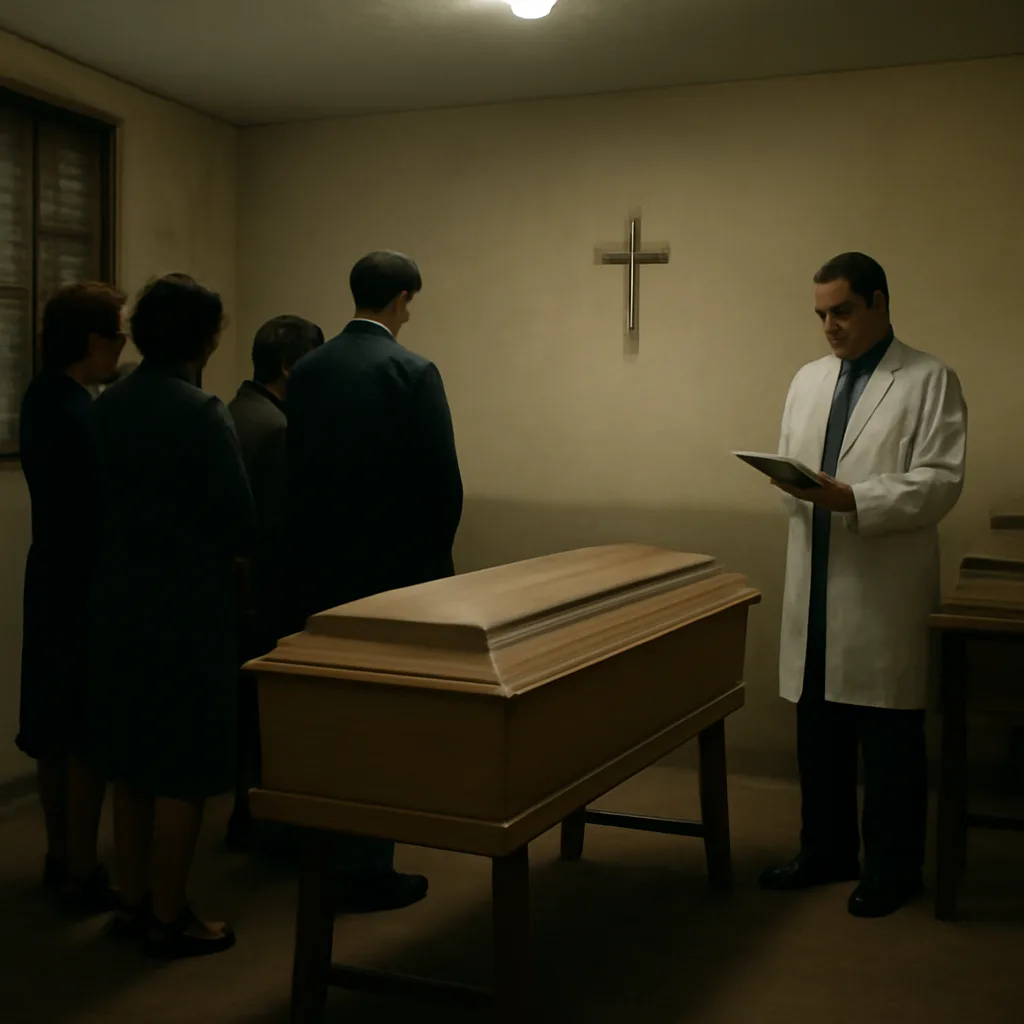
A closed wooden coffin in a modest mortuary room with mourners and a clinician nearby; scene conveys somber atmosphere without identifiable faces.

On March 21, 1998, a man in Latin America awoke inside his coffin after being declared dead; the incident prompted medical and legal scrutiny and highlighted risks of premature burial in regions with limited diagnostic resources.


On March 21, 1998, a man who had been declared dead was reported to have regained consciousness while inside his coffin. The widely circulated accounts came from regional press coverage and local officials; details vary between reports, but the core event — a person pronounced dead later showing signs of life after being placed in a coffin — is consistent across sources.

Background and medical context

Premature declarations of death have a long documented history, particularly in times and places where diagnostic tools are limited. In 1998, many hospitals and clinics in parts of Latin America and other regions still relied primarily on clinical examination rather than continuous cardiac monitoring or advanced imaging. Conditions such as catalepsy, deep coma, hypothermia, certain drug overdoses, and some metabolic disturbances can produce minimal or undetectable vital signs by basic bedside checks, leading to false conclusions about death.

Accounts of the incident

Contemporary reporting described family members and mortuary staff preparing the body for burial when the man showed movement or vocalized from inside the coffin. Witnesses alerted attendants, and the coffin was opened. Medical personnel were called and reportedly found the man alive, though weakened. He was transferred back to a medical facility for treatment. Exact clinical diagnoses given in the aftermath differ between accounts; some reports suggested a deep coma or reversible medical state, while others noted he was showing only faint signs of life upon reopening the coffin.

Aftermath and wider implications

The incident prompted local inquiries into the circumstances of the death declaration and mortuary procedures. It renewed calls from physicians and public-health advocates for clearer protocols to determine death, better training for clinicians and mortuary workers, and access to basic monitoring equipment in smaller hospitals. In some regions, such events have also influenced cultural practices around wakes and time intervals before burial.

Historical and evidentiary notes

Reporting on isolated cases such as this often includes inconsistent details: exact location, the man’s age and medical history, and the precise timing between declaration of death and revival can vary between sources. Contemporary press coverage is the primary source for this 1998 event; peer-reviewed medical case reports documenting the specific incident are not readily available. Because of those limitations, some specifics remain disputed or unverified in the public record.

Broader legacy

Stories of people awakening after being declared dead have long captured public attention and have spurred improvements in medical and legal standards. While rare, documented cases have helped galvanize reforms in death certification, the use of electrocardiography to confirm asystole, and policies governing the handling of bodies before burial. The 1998 case remains an example cited in discussions about the need for cautious, evidence-based determinations of death in all settings.

Share this

Email Share on X Facebook Reddit

Did this surprise you?