
07/15/2010 • 5 views
Mexican cartel violence surges in July 2010, spreading beyond traditional strongholds
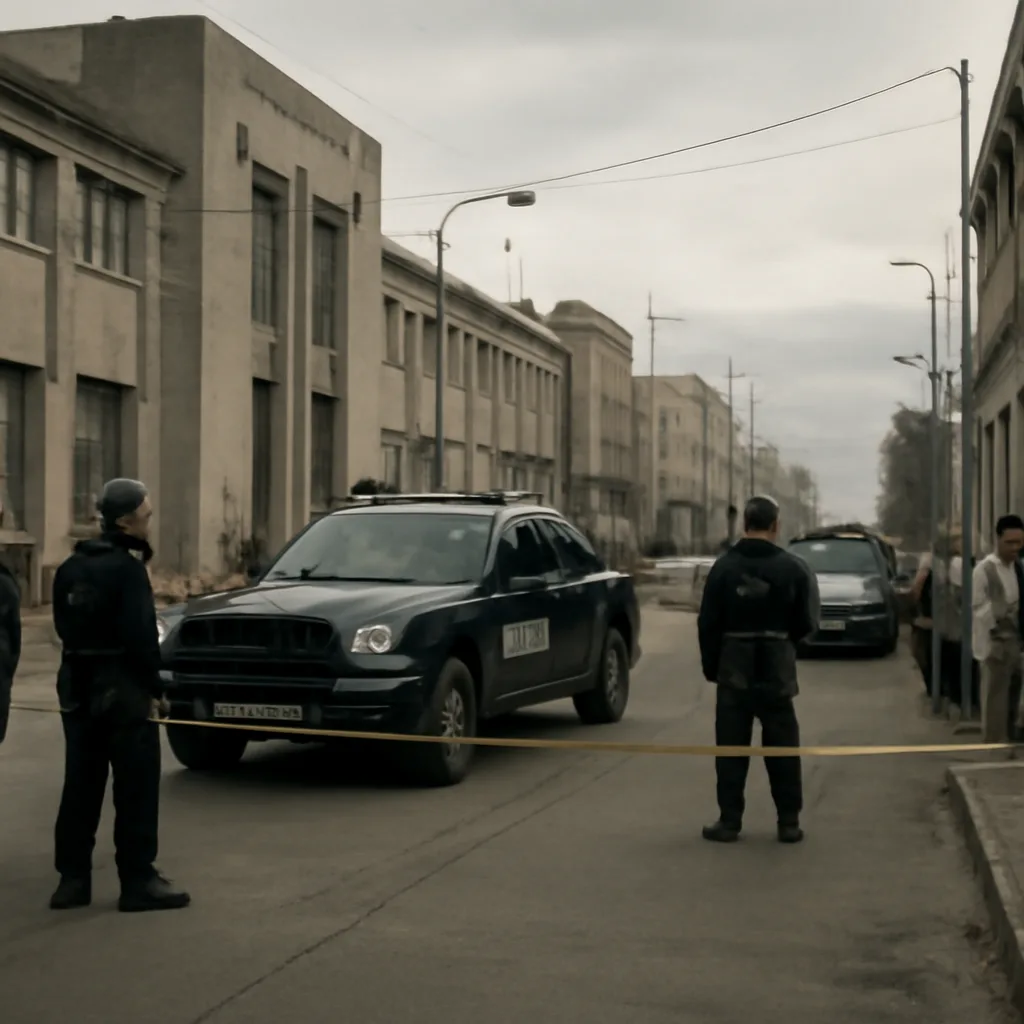
In mid-July 2010 Mexico experienced a sharp escalation of drug cartel violence, marked by high-profile confrontations, coordinated attacks on security forces and civilians, and widening territorial clashes as federal, state and local authorities struggled to contain armed groups.
Key dynamics
- Fragmentation and rivalry: By 2010 Mexico’s narcotics trafficking landscape was dominated by several major cartels — including the Sinaloa Cartel, the Gulf Cartel and Los Zetas — along with numerous splinter groups. Years of federal and state operations had weakened some hierarchical structures, increasing fragmentation and localized competition for routes and markets. This contributed to more frequent, unpredictable confrontations between groups and with security forces.
- Geographic spread: Violence historically concentrated along border corridors and in specific Pacific and Gulf coast states expanded inland and into central regions in 2010. Attacks, kidnappings and reprisals were reported across a wider swath of states, affecting municipalities that previously experienced lower levels of cartel-related bloodshed.
- Targeting of security forces and public institutions: Cartels increasingly confronted police and military personnel. High-profile ambushes, coordinated attacks and assaults on municipal buildings were reported in multiple states during this period. These actions aimed both to resist government operations and to intimidate local authorities.
- Civilian impact: The surge produced significant civilian harm — deaths in crossfire, targeted killings, kidnappings and population displacement in some municipalities. Public fear and disruptions to daily life increased in affected communities, with local economies and public services strained.
Government response and challenges
The federal government, under President Felipe Calderón (2006–2012), had deployed the military and federal police to combat cartels since 2006. By 2010 federal operations continued alongside state and municipal efforts, but challenges persisted: institutional weaknesses in some local police forces, corruption, and limited coordination among jurisdictions hampered sustained gains. Arrests and high-profile captures of cartel leaders occurred intermittently, yet arrests often precipitated violent power struggles rather than producing stable reductions in violence.
International and local context
Cross-border trafficking dynamics, demand in the United States, and the flow of weapons and money continued to shape the conflict. U.S.-Mexico cooperation on security and law enforcement was ongoing, including intelligence sharing and training programs, though debates over policy effectiveness and unintended consequences remained active.
Limitations and reporting notes
Contemporary reporting on specific incidents in July 2010 came from a mix of national and local Mexican outlets, international press and official statements. Exact casualty figures and attributions of responsibility for particular attacks were sometimes disputed or revised as investigations continued, a common feature of reporting on organized-crime violence where access and verification are difficult.
Outlook at that moment
In mid-2010 most analysts and officials viewed the escalation as part of a broader, protracted contest rather than a short-term spike. The dynamics of fragmentation, competition for routes and local control, and the interplay between enforcement actions and criminal adaptation suggested that violence levels would remain a central security and social challenge for Mexico in the years that followed.