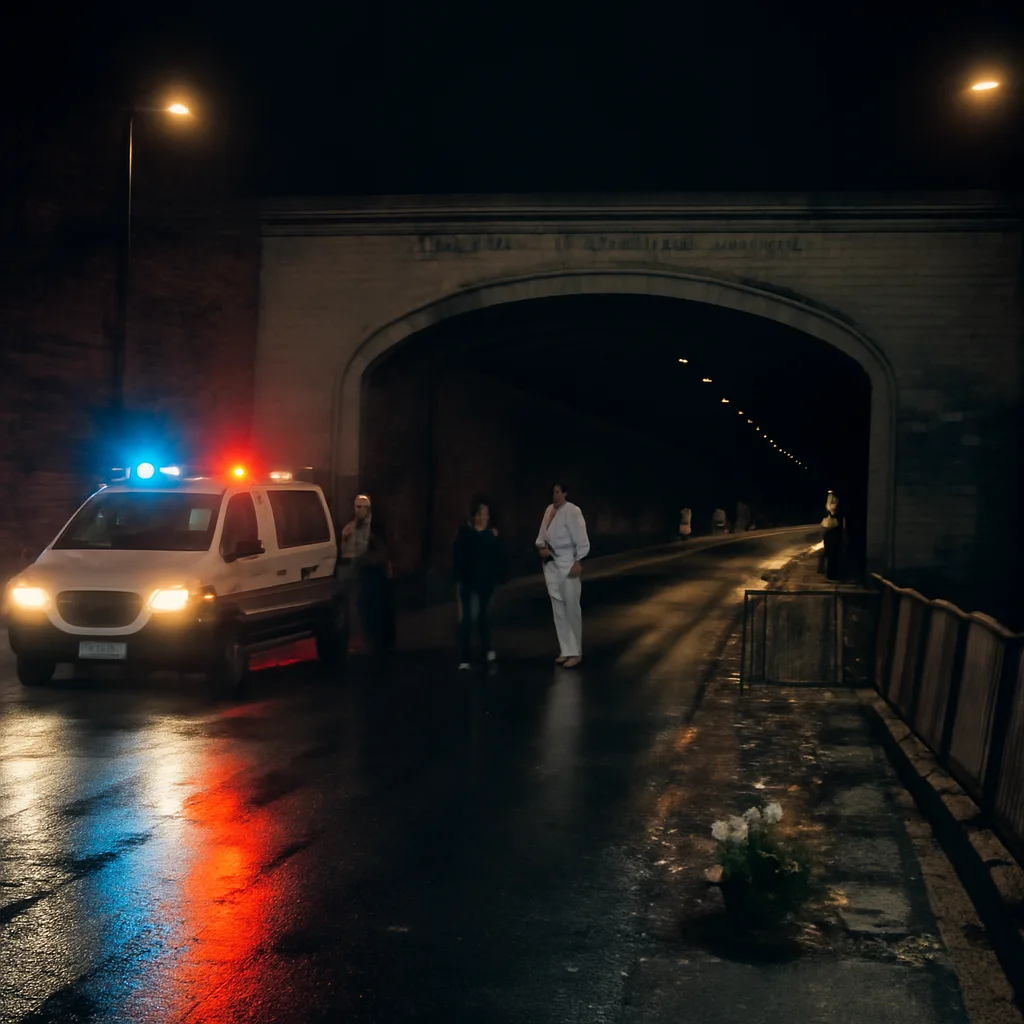
On 31 July 1997, Diana, Princess of Wales, was fatally injured in a car crash in the Pont de l'Alma tunnel in Paris; companion Dodi Fayed and driver Henri Paul also died, while bodyguard Trevor Rees-Jones survived with serious injuries.
On the night of 30–31 July 1997, Diana, Princess of Wales, was fatally injured in a high-speed car crash in the Pont de l'Alma tunnel in Paris. She had been spending time in the city with Dodi Fayed, and the couple left the Hôtel Ritz shortly before the crash. Their vehicle, a Mercedes-Benz S280, was being driven by Henri Paul, the acting head of security at the Hôtel Ritz, with bodyguard Trevor Rees-Jones in the front passenger seat. The car collided with a pillar in the tunnel shortly after midnight.
Diana and Dodi Fayed were pronounced dead following treatment in hospital; the driver, Henri Paul, also died. Trevor Rees-Jones survived but sustained serious injuries. Initial reporting and public reaction were immediate and intense worldwide. Large spontaneous gatherings formed around Kensington Palace and other sites in the United Kingdom, and the British public expressed widespread grief. The Royal Family's response, including the timing of an official address, generated public debate and scrutiny.
French and British investigations followed. French authorities conducted the initial criminal inquiry, concluding that the crash resulted from the driver’s loss of control while traveling at high speed and that both alcohol intoxication and the pursuit by photographers on motorcycles were contributing factors. In 2008–2009, a British inquest returned a verdict of "unlawful killing" by the combined effects of the negligent driving of Henri Paul and of the pursuing vehicles. The British jury found that no conspiracy caused the deaths and that excess speed and the driver's impairment were central causes.
The deaths prompted an extraordinary global reaction and a prolonged period of public mourning. Tens of thousands of people left floral tributes, letters and messages at royal residences. Diana's funeral on 6 September 1997 drew huge global television audiences and was attended by thousands in London and by many world leaders and public figures. The event intensified public discussion about press intrusion into the private lives of public figures; photographers who had pursued Diana and her party in the hours before the crash became a focal point of criticism. Subsequent inquiries and regulatory debates addressed media behavior, paparazzi practices, and the balance between press freedom and personal privacy.
Diana's death also had longer-term institutional and cultural impacts. It accelerated conversations about the role and expectations of the monarchy in public life, influenced changes in royal communications and public engagement, and contributed to charitable and social initiatives tied to causes she had championed. Official inquiries, court proceedings, and books have examined many aspects of the events and their aftermath; while some questions and conspiracy theories have persisted in public discourse, official investigations in France and the United Kingdom concluded that the crash was an accident caused by excessive speed and the driver’s impairment, compounded by the pursuit of photographers.
The legacy of Diana's life and death remains a subject of ongoing public interest and scholarly study. She is remembered for her charitable work, advocacy on issues such as landmines and HIV/AIDS, and her influence on the monarchy's public image. The circumstances of her death continue to be cited in discussions of media ethics, public mourning, and the protection of public figures from intrusive surveillance and pursuit.