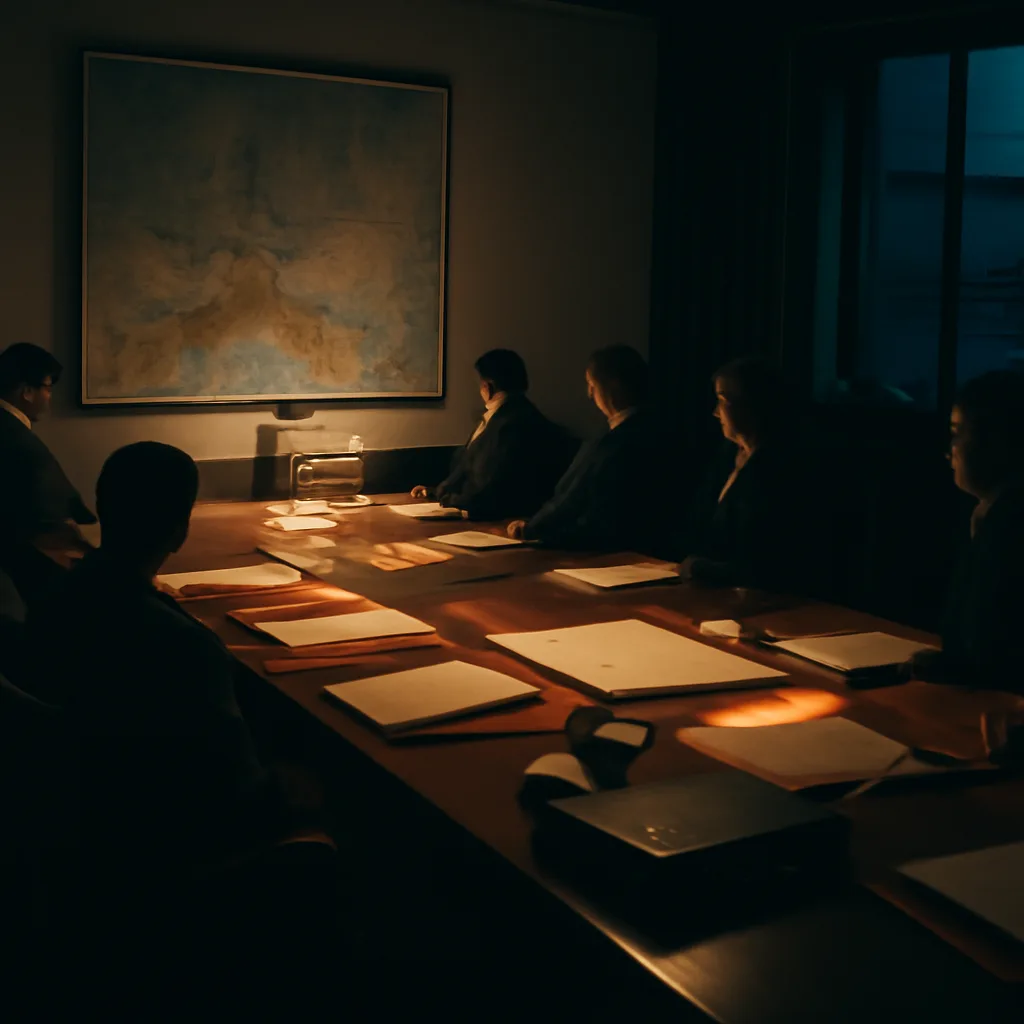
On 28 August 1989, behind closed doors in Bonn and in informal meetings in Europe, officials and intermediaries began discreet discussions about the possibility of German reunification amid accelerating political change in East Germany and across Eastern Europe.
By late August 1989, political shifts across Eastern Europe and mounting pressure within the German Democratic Republic (GDR) prompted a set of discreet, preliminary conversations about the future of Germany. While central, public negotiations on reunification did not begin until 1990, 28 August 1989 marks a moment when officials, diplomats and intermediaries in and around Bonn and other European capitals started exploring options more seriously than before. These early talks were cautious, unofficial and deliberately low-profile because of the sensitivity of sovereignty questions and the need to manage relations with the Soviet Union and western allies.
Context: In 1989 the Eastern Bloc was in flux. Poland’s Round Table talks and semi-free elections in June 1989 had weakened communist control in Central Europe. Hungary’s opening of its border with Austria in May 1989 and growing civic activism in the GDR — culminating in public demonstrations later that year — changed the political calculus. West German leaders, notably Chancellor Helmut Kohl, pursued a dual-track approach: publicly supporting reform and human rights while privately preparing contingency plans for political change in the East.
Participants and nature of the contacts: These early discussions involved a mix of West German government officials, conservative advisers, diplomats from NATO and the European Community, and intermediaries with contacts in East Germany and Moscow. They were not formal plenary negotiations with the GDR government; rather, they were exploratory exchanges intended to assess possibilities, gauge Soviet tolerance, and coordinate Western responses. Participants emphasized discretion to avoid inflaming nationalist sentiment, undermining ongoing reforms, or provoking a hardline reaction from the East German leadership or the Soviet Union.
Objectives and constraints: The immediate aims were pragmatic: to evaluate pathways for increased political and economic contact, to consider migration and human-rights questions that were already producing crises, and to sketch frameworks for eventual political integration if the GDR’s government collapsed or agreed to negotiations. Key constraints included the legal and diplomatic structure established after World War II — notably the Four Powers’ residual rights in Germany — and the need to secure Soviet assent or at least acquiescence. Western officials were aware that any move toward reunification required either Soviet acceptance or a transformation of the Soviet role.
Significance: Although these contacts were preliminary and secretive, they were significant because they represented a shift in West German policymaking from contingency planning to active, albeit cautious, preparation for possible reunification scenarios. They also helped lay groundwork for the rapid sequence of negotiations that followed the fall of the Berlin Wall on 9 November 1989 and the formal diplomatic processes in 1990, including the Two-Plus-Four negotiations involving the two German states and the four wartime powers.
Limitations and sources: Public documentation about specific meetings of 28 August 1989 is limited; much of what can be established comes from later memoirs, archival releases, and contemporaneous diplomatic correspondence that became available after German reunification and the end of the Cold War. Because early contacts were deliberately unofficial, the details of participants and precise agendas remain partially contested or sparsely recorded in primary sources.
Aftermath: The discreet preparatory work of late summer and autumn 1989 helped Western governments respond quickly as events accelerated. When mass demonstrations and emigration crises overtook East Germany in the autumn, these earlier assessments allowed West German and allied officials to move from private contingency planning to open diplomacy that ultimately shaped the peaceful course toward reunification in 1990.