
08/28/1995 • 4 views
Government Shuts Down as 1995 Budget Standoff Collapses
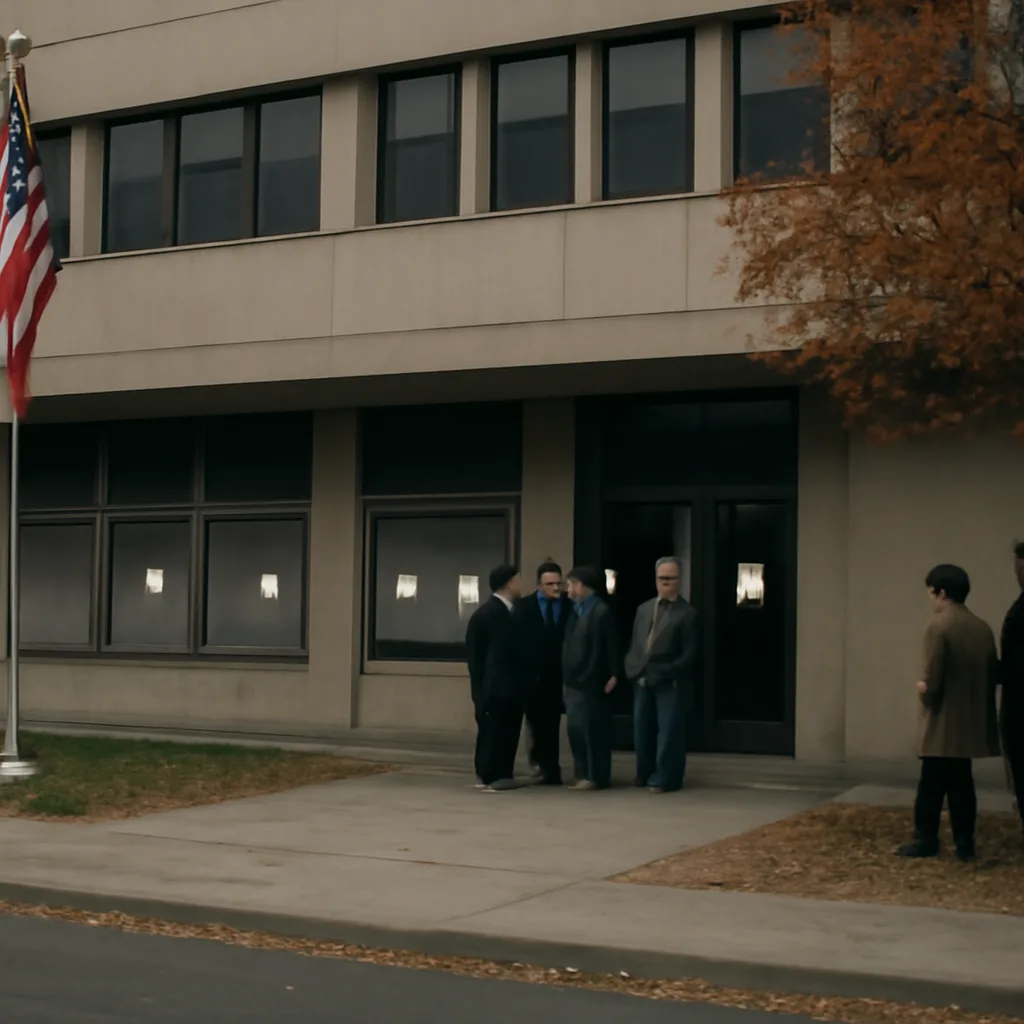
On August 28, 1995, the U.S. federal government entered a shutdown after Congress and President Clinton failed to agree on spending legislation during a high-stakes budget dispute between the Republican-controlled Congress and the Democratic administration.
Background
The confrontation followed the Republicans’ 1994 congressional victories and their implementation of the “Contract with America,” which prioritized deficit reduction through lowered federal spending. Republicans in Congress passed appropriations bills and a broader budget plan that included significant cuts to Medicare, Medicaid, education, and environmental programs. President Clinton vetoed measures he deemed too severe and called for more moderate changes and protections for certain programs.
The Standoff and Shutdown
Negotiations intensified through the summer of 1995, with both sides exchanging proposals and public statements. Lawmakers had to pass continuing resolutions or appropriations to fund government operations. With no agreement reached by late August, many nonessential federal operations were ordered to cease, and federal employees were furloughed. Essential services—such as national security, air traffic control, law enforcement, and programs serving immediate public safety needs—continued to operate.
Scope and Impact
The shutdown disrupted a range of federal activities. National parks and museums experienced closures or limited services; processing of certain government applications slowed; and numerous federal workers were sent home without pay until the dispute was resolved. The effect varied by agency and locality. Social programs deemed essential continued, but administrative delays affected beneficiaries and contractors reliant on federal funding. The political stakes were high: both parties framed the dispute as a matter of fiscal responsibility and policy priorities, while voters and the media scrutinized who would bear the public blame.
Political Consequences
The shutdown intensified partisan rhetoric and shaped public perceptions of both Congress and the White House. Political leaders used the crisis to rally their bases and to appeal to undecided voters. The episode contributed to a longer negotiation timeline that ultimately saw intermittent funding measures and additional shutdown periods later that year into early 1996. The 1995 shutdown is often cited in discussions of legislative brinkmanship and the incentives created by divided government.
Aftermath
Following weeks of negotiations and temporary funding arrangements, Congress and the Clinton administration reached agreements to reopen parts of the government and continue talks on the federal budget. The broader budget conflict would influence later negotiations over deficit reduction and welfare reform. Historians and analysts debate the political winners and losers from the shutdowns, but the events remain a notable example of the risks when budget deadlines collide with deep partisan disagreement.
Notes on sources and uncertainty
This summary synthesizes widely reported facts about the August 1995 government shutdown and the surrounding budget conflict between the Clinton administration and the Republican-controlled Congress. Exact dates for the start and end of specific agency closures, numbers of employees furloughed, and localized impacts varied and are documented in contemporaneous government reports and news coverage.