
08/04/1962 • 4 views
Soviet Missile Deployment Raises Cold War Tensions in August 1962
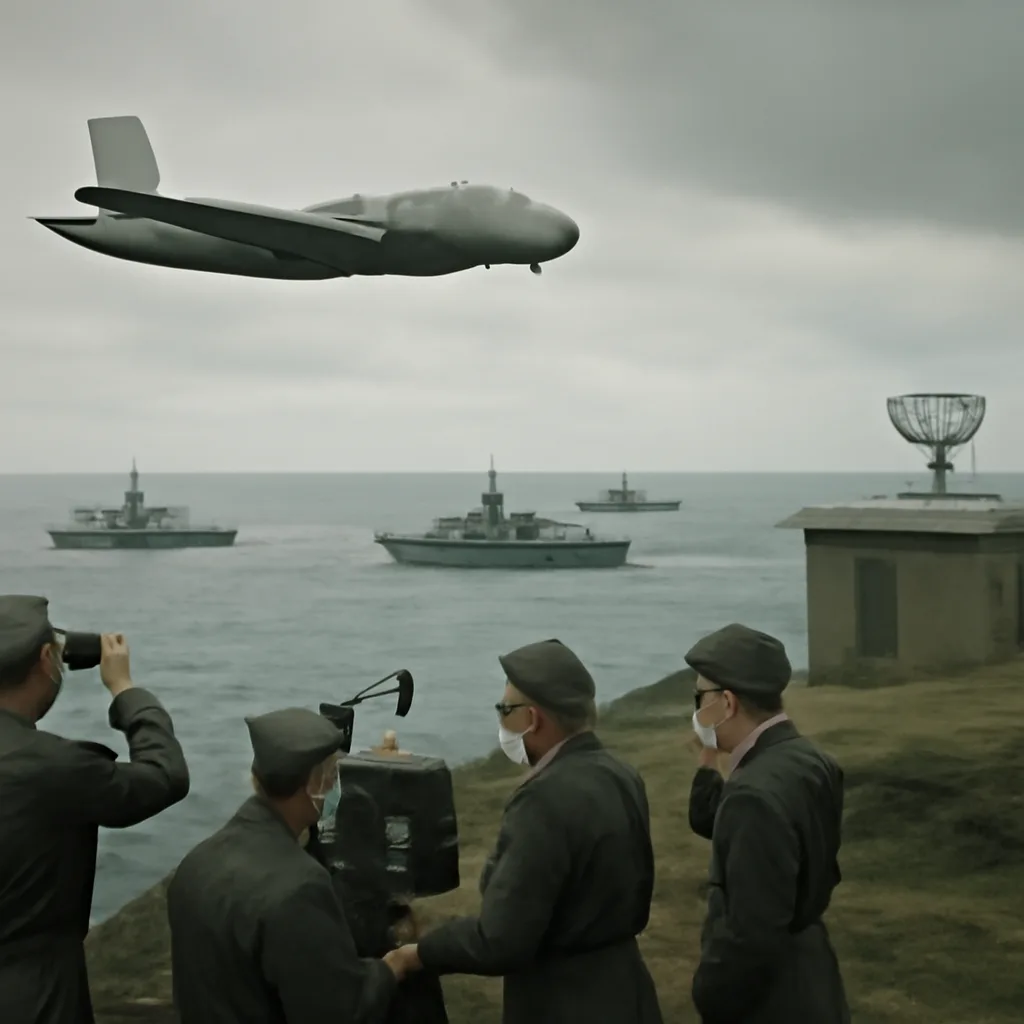
Reports on August 4, 1962, indicated Soviet deployment of ballistic missiles in contested regions, sparking Western alarm and heightening Cold War military and diplomatic tensions between the USSR and NATO allies.
Background
By 1962, the nuclear arms competition between the United States and the Soviet Union had already produced long-range bombers, intercontinental ballistic missiles (ICBMs), and medium-range systems stationed in allied territories. Both blocs maintained forward bases and missile deployments intended to deter aggression and preserve strategic balances. Intelligence-gathering—by aerial reconnaissance, signals interception, and diplomatic reporting—played a continuous role in assessing adversary capabilities and intentions.
The August 4 report
Contemporary press accounts and declassified material indicate that on or around August 4, 1962, allied Western sources reported sightings and intelligence suggesting Soviet placement of medium- or intermediate-range ballistic missile systems in areas that could alter regional strike capabilities. Exact locations and system types reported at the time varied between sources, and subsequent historical analyses have treated some early claims as uncertain or possibly conflated with later events in 1962. Nevertheless, the immediate effect in Western capitals was to prompt heightened alert levels, additional reconnaissance sorties, and accelerated diplomatic exchanges seeking clarification.
Military and diplomatic responses
NATO and U.S. military commands reviewed force postures and contingency plans in response to the reports. Increased aerial reconnaissance and naval deployments were ordered in some theaters to monitor movements and to signal readiness. Diplomatically, Western governments lodged inquiries with Soviet representatives and sought intelligence corroboration from allies. The Soviet government typically denied hostile intent in public statements but emphasized that military deployments within Soviet control were a sovereign matter, leaving persistent ambiguity.
Impact and historical context
Although historians focus on the October 1962 Cuban Missile Crisis as the peak confrontation that brought the superpowers closest to nuclear war, earlier incidents and reports in 1962, including those from August, helped set the stage by deepening mutual suspicion and accelerating crisis-management planning. The cumulative effect of such reports influenced political leaders, military planners, and intelligence agencies, contributing to faster, more urgent decision-making later in the year.
Uncertainties and source limitations
Contemporary reporting from August 1962 included conflicting details, and some later archival research suggests that certain early claims were either misinterpreted intelligence or related to routine Soviet re-deployments rather than an outright offensive escalation. Because some relevant archives remain classified or incomplete, historians caution against overinterpreting individual dispatches from the period. What is clear is that even ambiguous intelligence of Soviet missile movements could trigger significant strategic reactions during this high-tension phase of the Cold War.
Legacy
The August 1962 reports exemplify how episodic intelligence and reporting could amplify fears and accelerate diplomatic and military responses in the superpower rivalry. They underscore the fragility of crisis stability in a bipolar nuclear world and the importance later placed on direct communication channels and arms-control measures designed to reduce the risk that misperception or limited information might prompt catastrophic decisions.