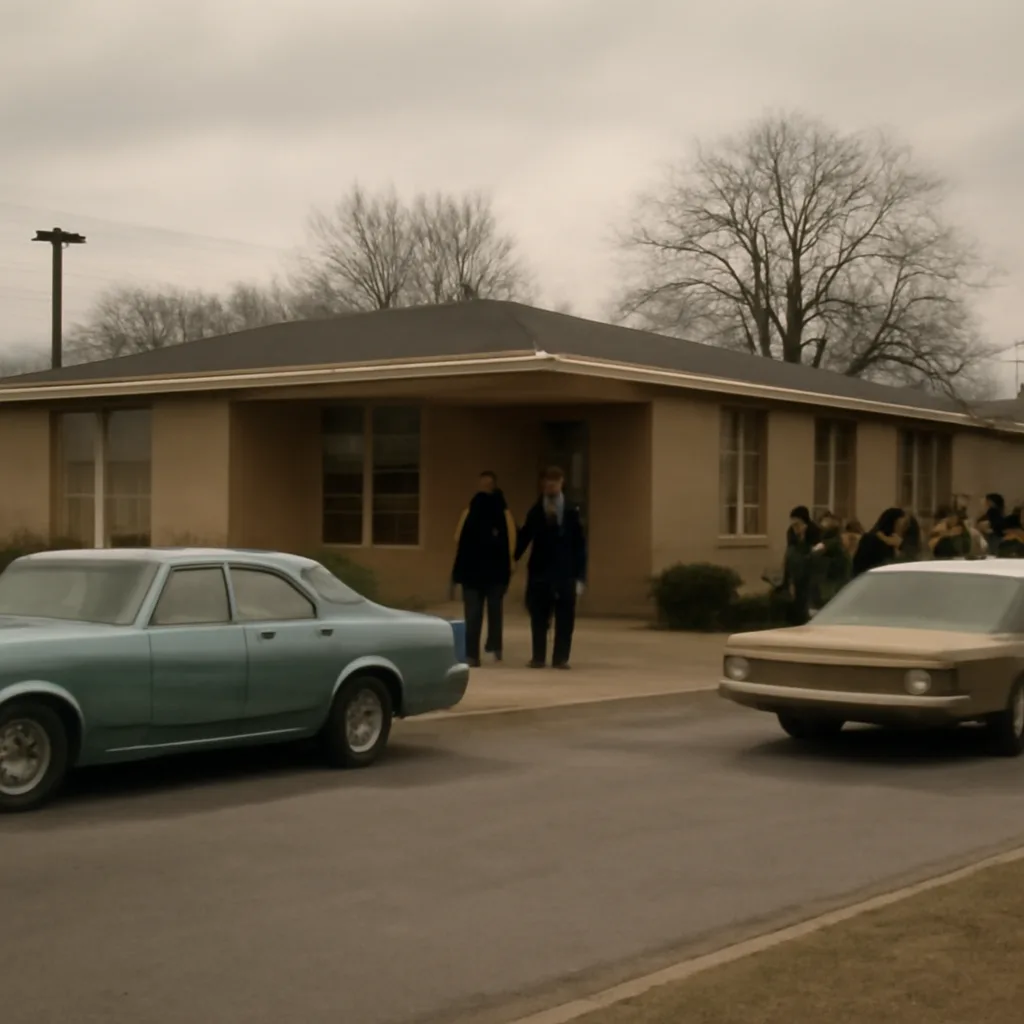
The 1978 Brownsville Clinic Shootings and the Birth of 'Copycat' Crime Panic
On February 10, 1978, a series of shootings at a Texas clinic and subsequent media coverage helped crystallize public fears about imitation crimes—an early, widely cited instance of what became known as copycat crime hysteria.
On February 10, 1978, violence at a medical clinic in Brownsville, Texas, and related incidents elsewhere in the state occurred against a backdrop of heightened media attention to violent acts and the possibility that publicity could inspire imitators. While historians and criminologists trace the concept of copycat crime earlier in the 20th century, the Brownsville events are often cited in contemporary reporting and later analysis as an early, clearly documented case that stimulated public debate about media responsibility and contagion effects.
The Brownsville situation involved shootings and threats targeting medical facilities providing reproductive health services—sites already the focus of intense public controversy during the 1970s after the 1973 Roe v. Wade decision. On that date in February 1978, at least one clinic in the region reported violence and threats; contemporaneous news coverage linked the incidents to a pattern of attacks on clinics and to inflammatory rhetoric circulating in some segments of the public. Local law enforcement investigated, and regional press reported the events alongside commentary about the potential for highly publicized acts to inspire copycats.
Scholars of crime and media note that the term "copycat" predates 1978, but the late 1970s saw growing academic and journalistic interest in how publicity might induce imitation. Researchers studying contagion in suicidal behavior, mass shootings, and other violent acts began to document statistical patterns suggesting short-term increases in similar acts following highly publicized incidents. The Brownsville incidents entered that conversation as an example of how attacks on contentious targets—combined with media visibility—could prompt fears of imitation.
Limitations in the historical record mean that precise causal links between specific media reports and subsequent acts are difficult to prove. Contemporary reporting sometimes conflated separate incidents or emphasized worst-case scenarios, which complicates later assessment. Moreover, historians caution against attributing complex social phenomena to single events: the emergence of the "copycat" frame reflects broader trends—expanding mass media, politicized disputes over reproductive rights, and growing scholarly attention to behavioral contagion—rather than a single origin point.
Nonetheless, February 10, 1978, occupies a place in histories of media and crime as an early, widely reported episode that heightened public anxiety about imitation crimes. The episode helped spur discussions among journalists, policymakers, and researchers about responsible reporting practices and about whether certain details of violent acts should be withheld to reduce the risk of imitation. Those debates presaged later guidelines developed for reporting on suicides and mass shootings, and they contributed to continuing inquiries into how publicity shapes criminal behavior.
In sum, while copycat behavior has older antecedents and the notion of media-induced imitation evolved over decades, the Brownsville clinic shootings and their coverage on February 10, 1978, are often referenced in accounts of the phenomenon as a notable early case that crystallized public and professional concerns about crime contagion.