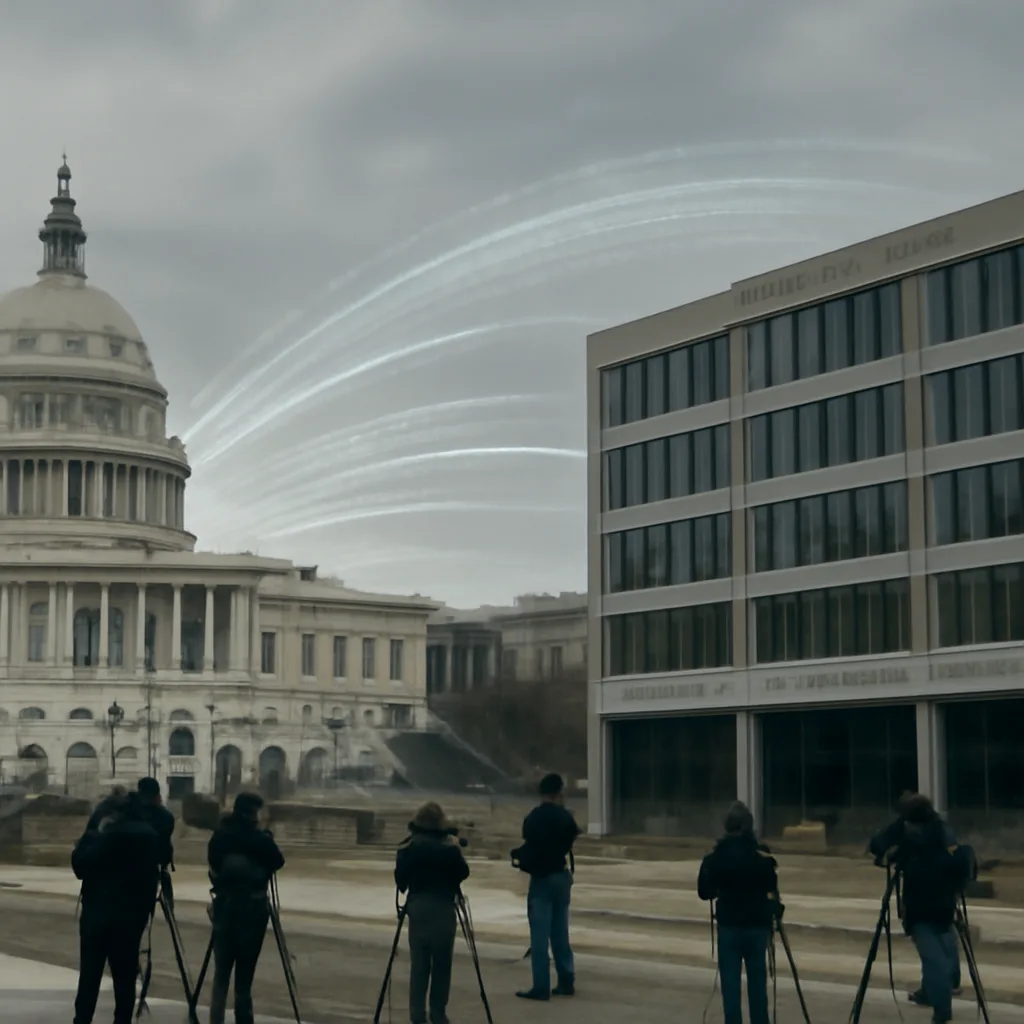
U.S. Government Confirms NSA Global Surveillance Programs
On December 18, 2013, U.S. officials confirmed that the National Security Agency ran broad surveillance programs collecting telephone and internet metadata and accessing foreign communications—revelations that spurred global debate over privacy, law and oversight.
In mid-2013, disclosures by former contractor Edward Snowden prompted detailed reporting on classified National Security Agency (NSA) activities. On December 18, 2013, U.S. government officials took the unusual step of publicly confirming the existence of several major NSA programs that collected communications data on a large scale. Those confirmations followed months of media accounts based on leaked documents and court filings and marked a turning point in public understanding and governmental transparency about intelligence collection.
Confirmed programs included bulk collection of telephone metadata—records of numbers dialed, call times and durations—under Section 215 of the USA PATRIOT Act, and the PRISM program, through which large technology companies were reported to have provided the NSA with targeted access to user communications in response to legal orders. Officials also acknowledged the agency’s role in court-authorized targeting of foreign intelligence and in directives that could compel service providers to assist with certain collection methods. Government statements emphasized that the collection was conducted under legal authorities and subject to oversight by the Foreign Intelligence Surveillance Court (FISC), Congress and executive-branch review processes.
The confirmations generated immediate domestic and international reaction. Privacy advocates, technology companies, legal scholars and some lawmakers criticized the scale and secrecy of the programs and argued they infringed on civil liberties and user privacy. Other officials defended the programs as essential tools for counterterrorism and foreign intelligence. The controversy prompted legislative proposals to restrict bulk data collection, reforms to FISC procedures, and increased calls for transparency about how surveillance authorities are used.
Legal and policy developments followed. In 2015, Congress passed the USA FREEDOM Act, which ended NSA bulk telephone metadata collection under Section 215 and replaced it with a system where telephone companies retain the data and the government must obtain targeted court orders to access it. The revelations also spurred ongoing debates over the scope of executive power, the adequacy of judicial oversight, the obligations of technology companies when faced with classified orders, and the balance between privacy and national security in an era of global digital communications.
Internationally, allied governments and foreign publics expressed concern about U.S. surveillance practices, especially where the reporting suggested the monitoring of foreign leaders or citizens. The disclosures prompted diplomatic inquiries and renewed discussion of cross-border data flows, mutual legal assistance, and the development of privacy norms and safeguards in intelligence cooperation.
Journalists, civil-society organizations and scholars continue to examine the effects of the 2013 disclosures on law, policy and technology. While some operational and legal details remain classified or disputed, the December 18 confirmations are widely seen as a watershed moment that reshaped public debate about surveillance, intelligence oversight and digital privacy.