
← Back
12/18/2003 • 5 views

U.S. Announces Capture of Terrorist Leader in December 2003
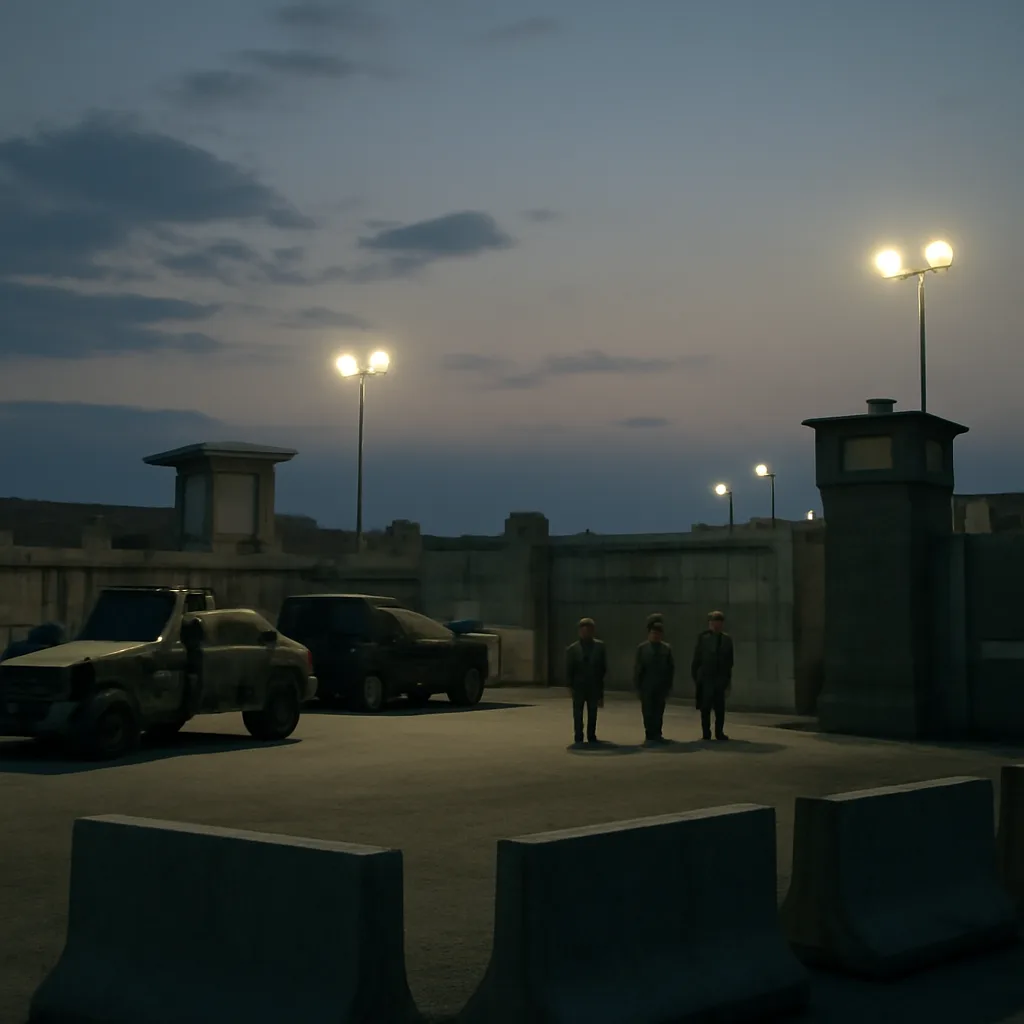
Exterior of a secure government compound at dusk with uniformed personnel and armored vehicles nearby, conveying a controlled security operation without identifiable faces.

On December 18, 2003, U.S. authorities announced the capture of a senior terrorist leader connected to international attacks; reporting at the time linked the arrest to coordinated intelligence and security operations amid ongoing counterterrorism efforts in the region.


On December 18, 2003, U.S. officials publicly confirmed the capture of a senior figure described by authorities as a terrorist leader. The announcement came amid sustained counterterrorism operations following major attacks earlier in the decade, and officials said the arrest resulted from coordinated intelligence, law enforcement and military efforts.

Context and background
The early 2000s saw an intense global counterterrorism campaign by the United States and partner nations in response to the September 11, 2001, attacks and subsequent incidents. In the years that followed, U.S. agencies prioritized locating and disrupting individuals and networks believed responsible for planning, facilitating or supporting acts of international terrorism. By late 2003, several high-profile captures and strikes had been carried out against senior operatives and facilitators.

Announcement and immediate reactions
Government statements released on December 18 described the detained individual as a senior operative linked to terrorist activities. Officials framed the capture as the result of actionable intelligence and cooperative operations, and they characterized it as a significant disruption to the individual’s organization. At the time, U.S. and allied officials emphasized law enforcement processes would determine any criminal or intelligence-related proceedings.

Reporting and verification
Contemporary news coverage relied on official statements from U.S. departments and occasional comments from allied governments or regional authorities. Independent verification of some operational details—such as the exact location, timing, and chain of custody—was limited in publicly available reporting, as is common in sensitive counterterrorism operations where operational security and classified intelligence play a role. Subsequent public records and reporting provided varying levels of confirmation about the individual’s identity and role, and some aspects remained disputed or were confirmed only later through legal filings or declassified material.

Legal and policy implications
Captures of senior terrorism suspects typically raised questions about detention, interrogation and prosecution. In this period, U.S. policymakers and courts were grappling with how to handle suspects captured abroad, including decisions about military detention versus criminal prosecution in civilian courts, the use of classified evidence, and issues related to human rights and international law. Publicly available statements in December 2003 indicated that authorities would pursue appropriate investigative and legal avenues, though the specifics of those processes were not always disclosed.

Local and regional impact
Reactions in the region where the capture occurred varied, with some officials welcoming cooperation and others expressing concern about sovereignty, due process or potential retaliatory actions by affiliated groups. Analysts at the time warned of possible short-term security repercussions, such as attempts by the suspect’s associates to conduct follow-on attacks or to move personnel and assets to avoid further disruption.

Historical significance and caveats
The December 18, 2003 announcement fit into a broader pattern of counterterrorism actions in the early 21st century that aimed to dismantle transnational networks. While government announcements labeled the individual a ‘‘terrorist leader’’ and described the arrest as significant, publicly available information immediately following the capture was often incomplete. Some details were corroborated later through court documents, reporting by investigative journalists or declassified materials; other aspects remained contested or unclear in public records.

Because many operational details were withheld for security or legal reasons, assessments of the full impact of the capture on the organization’s capabilities or on subsequent events require caution. Where historians and journalists have reached firm conclusions, those findings are based on later disclosures and documentary evidence rather than solely on the initial announcement.

Summary
The U.S. confirmation on December 18, 2003, that authorities had captured a senior terrorist figure was presented at the time as a notable achievement in ongoing counterterrorism efforts. Public information released immediately after the capture highlighted coordinated intelligence and operational work while leaving several operational and legal details undisclosed; subsequent verification and interpretation of the event have depended on later records and reporting.

Share this

Email Share on X Facebook Reddit

Did this surprise you?