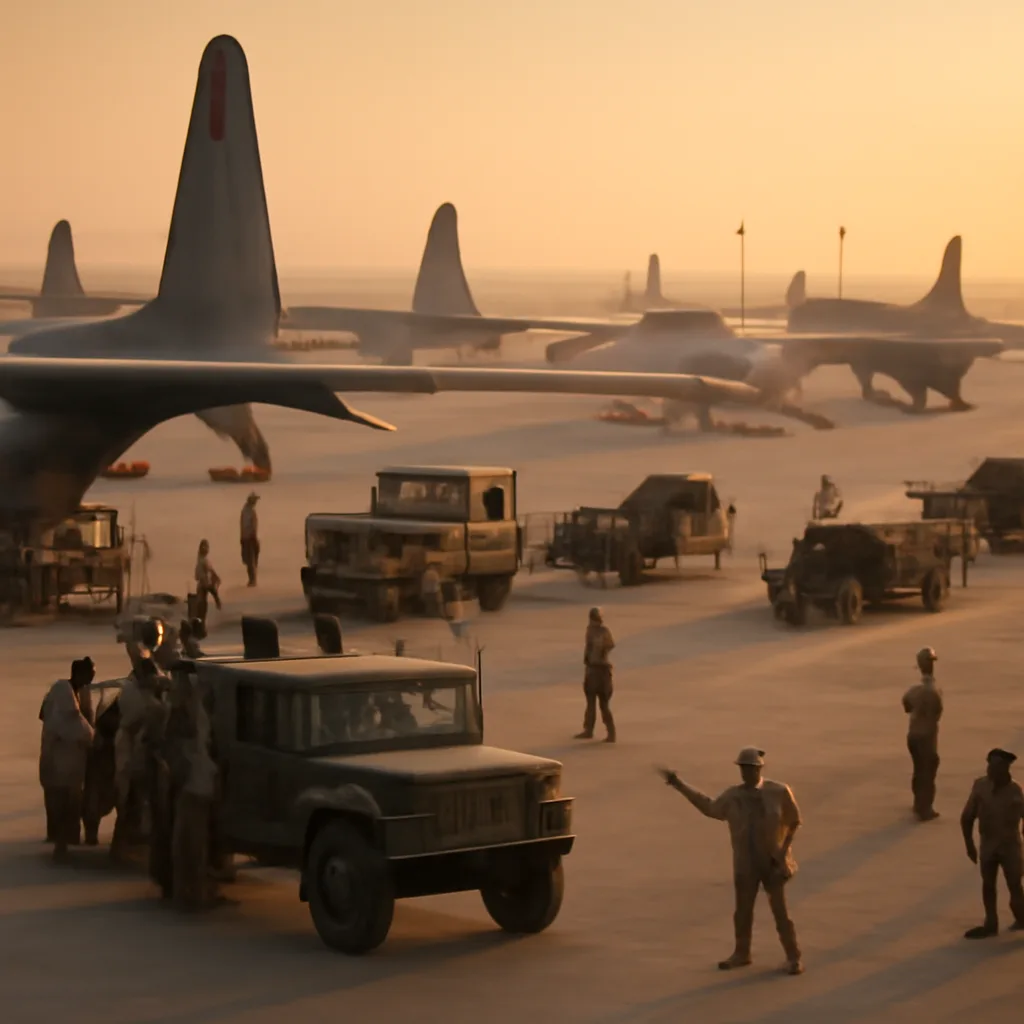
United States Completes Withdrawal of Combat Forces from Iraq
On December 18, 2011, the United States formally withdrew its last designated combat troops from Iraq, marking the end of a nearly nine-year combat mission that began with the 2003 invasion; a residual diplomatic and advisory presence remained under different statuses.
Background
The U.S.-led invasion of Iraq in March 2003 toppled Saddam Hussein’s government and initiated a prolonged military presence that evolved through phases of intense combat, counterinsurgency, and stabilization. In January 2009, President Barack Obama announced a plan to end U.S. combat operations in Iraq and begin transitioning security responsibilities to Iraqi forces. Subsequent years saw a drawdown of forces coupled with efforts to train and equip Iraqi security institutions.
Withdrawal and Status on December 18, 2011
On December 18, 2011, the United States formally withdrew its last units designated as combat troops from Iraqi territory, completing a scheduled pullout under an agreement with the Iraqi government. The departure followed negotiated timelines and the expiration of a U.S.–Iraq Status of Forces Agreement (SOFA) that had set conditions for U.S. presence and operations. The end of combat operations did not mean an immediate complete absence of Americans in Iraq: U.S. personnel remained in the country in diplomatic, training, and support roles under different legal and operational authorities.
Immediate Impacts
The end of the U.S. combat mission shifted security responsibility to Iraqi security forces and political institutions. Iraqi leaders asserted sovereign control and celebrated the formal end of combat operations. For the U.S., the withdrawal prompted debates at home and abroad about the long-term stability of Iraq, the adequacy of Iraqi security forces, and the broader regional implications. Observers noted that the security environment in Iraq remained fragile, with insurgent and sectarian violence continuing in parts of the country.
Longer-term Context
The 2011 withdrawal did not mark the final chapter of U.S. military involvement in Iraq. In subsequent years, the rise of the Islamic State (ISIS) prompted renewed international military engagement in Iraq beginning in 2014, including U.S. forces in advisory, training, and combat-support roles. Those later deployments were distinct from the 2003–2011 combat mission in legal status and operational scope.
Historical Significance
The December 2011 withdrawal represented a formal conclusion to the designated U.S. combat mission that had begun with the 2003 invasion. It was significant politically and symbolically for both Iraq and the United States: Iraq emphasized sovereignty and the ability of its forces to assume primary security responsibility, while in the U.S. the drawdown reflected shifting priorities and war fatigue after years of sustained operations.
Caveats and Sources
Details about troop movements, the exact numbers of personnel remaining in non-combat roles, and assessments of Iraqi capacities were matters of ongoing reporting and analysis at the time and in subsequent years. The description above follows widely reported timelines and statements from U.S. and Iraqi officials; where assessments differ, observers and analysts offered varied evaluations of security trends and the effectiveness of Iraqi institutions.