On this day: February 9
North Carolina Man Strikes $150,000 Lottery Jackpot Thanks to Ohio Work Trip

A North Carolina man won a $150,000 lottery prize after buying a scratch-off ticket during a work trip to Ashtabula, Ohio. The lucky scratch paid off big, turning a routine business visit into a surprising windfall.
Arizona Man Breaks Record with Insanely Huge Stranger Things Collection

An Arizona man’s devotion to Stranger Things has reached epic levels with a Guinness World Record for the largest collection of items related to the beloved Netflix series, boasting an astounding 2,301 pieces.
February 9, 1958: First widely reported poltergeist case draws attention

On February 9, 1958, investigators and journalists began documenting what became the first widely publicized case described as poltergeist activity in the English-speaking press — a sequence of unexplained noises, moving objects and physical disturbances centered on a private home. Contemporary accounts mixed observation with skepticism.
Pentagon: 1980 Alarm Stemmed from Accidental Nuclear Detonation Scare
The Pentagon has said a February 9, 1980 alarm that suggested a nuclear detonation was an inadvertent scare tied to faulty reporting and sensor interpretation, not evidence of an actual explosion. New declassified material and official statements have clarified the episode's chain of events.
First confirmed recall of a radioactive consumer product, February 9, 1932
On February 9, 1932, U.S. authorities confirmed the recall of consumer products containing radioactive materials—chiefly radium-bearing luminous paint—after health concerns mounted from occupational exposures and reports of defective items reaching the public.
1912 Exposure of Fabricated Scientific Evidence in Early Forensic Debate
In February 1912 a prominent controversy emerged when evidence in a scientific dispute was revealed as fabricated, prompting debate over methods, credibility and the nascent standards of forensic and laboratory practice.
Pentagon Says 1980 Alarm Was an Accidental Nuclear Detonation Scare
On Feb. 9, 1980, the Pentagon confirmed that alarms and urgent responses tied to a suspected nuclear incident were the result of an accidental scare, not an actual detonation; subsequent investigations attributed the episode to equipment and communication failures amid Cold War alert procedures.
How a 1912 Laboratory Hoax Became the First Exposed Fake Scientific Discovery

On February 9, 1912, scrutiny of claimed experimental results in a European laboratory revealed deliberate data fabrication—widely regarded as the earliest well-documented exposure of a fabricated scientific discovery rather than an honest error.
Pentagon Confirms 1968 Near-Miss Nuclear Collision Over Mediterranean

The Pentagon has acknowledged that on February 9, 1968, a U.S. Navy aircraft almost collided with a U.S. Air Force bomber carrying nuclear weapons over the Mediterranean Sea, prompting a reexamination of Cold War nuclear safety and coordination procedures.
The 1965 Tanganyika Schoolgirl Hysteria: First Documented School Contagion Case
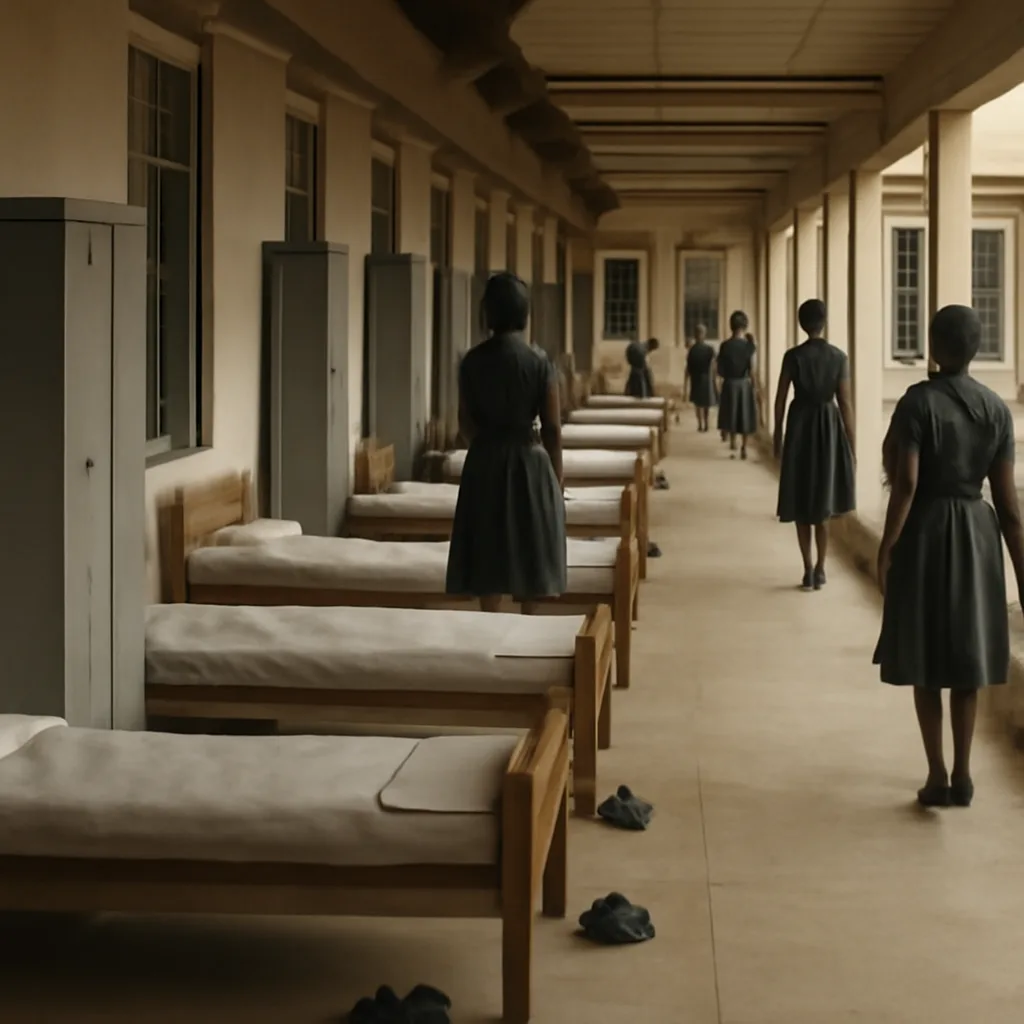
In February 1965, a cluster of fainting, laughing and crying episodes among schoolgirls in a Tanganyika (now Tanzania) boarding school became the first widely documented instance of contagious mass hysteria among children in a school setting, drawing international medical and media attention.
Early Case of Fabricated Scientific Evidence Exposed in 1912
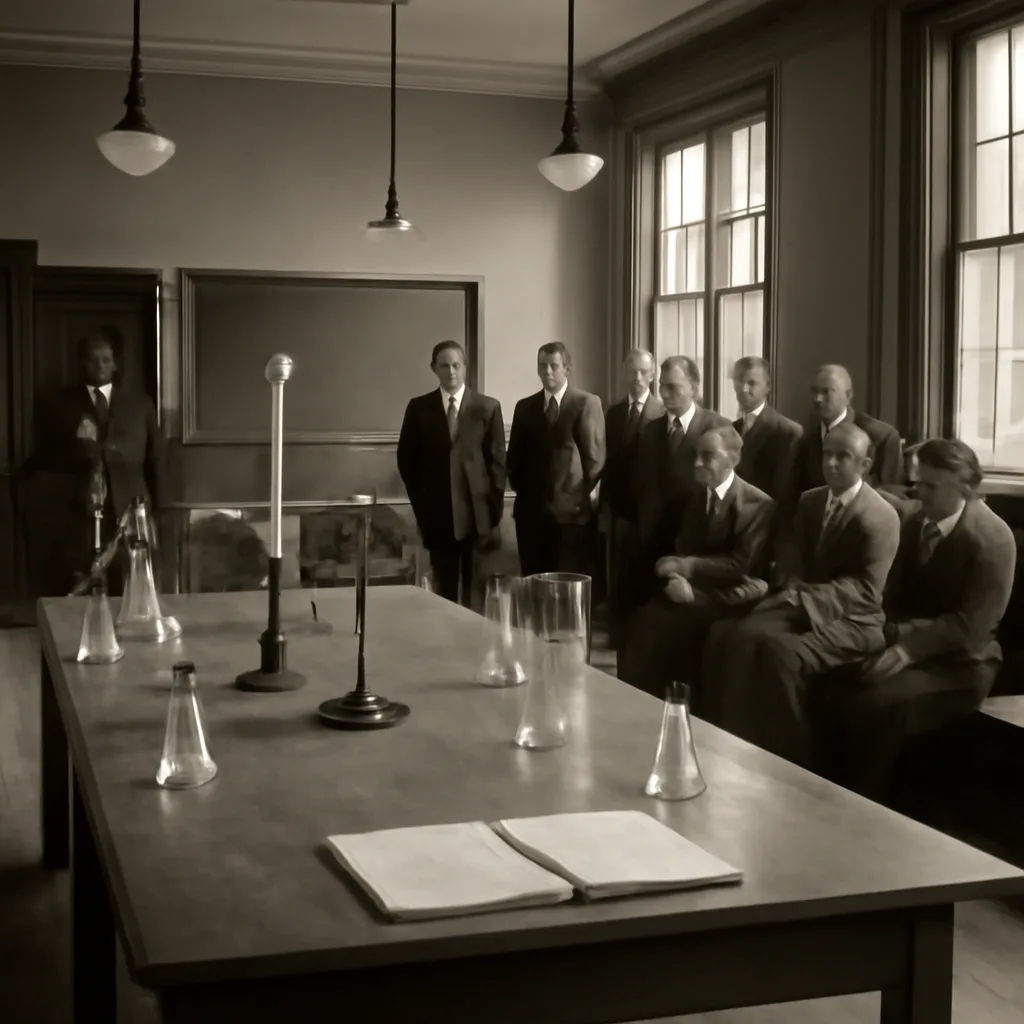
On February 9, 1912, a widely reported episode revealed deliberate fabrication in a scientific context—one of the earliest documented cases where staged evidence and deceptive presentation were publicly uncovered, prompting debate about research integrity.
First Confirmed Case of Human Radiation Experimentation, February 9, 1945
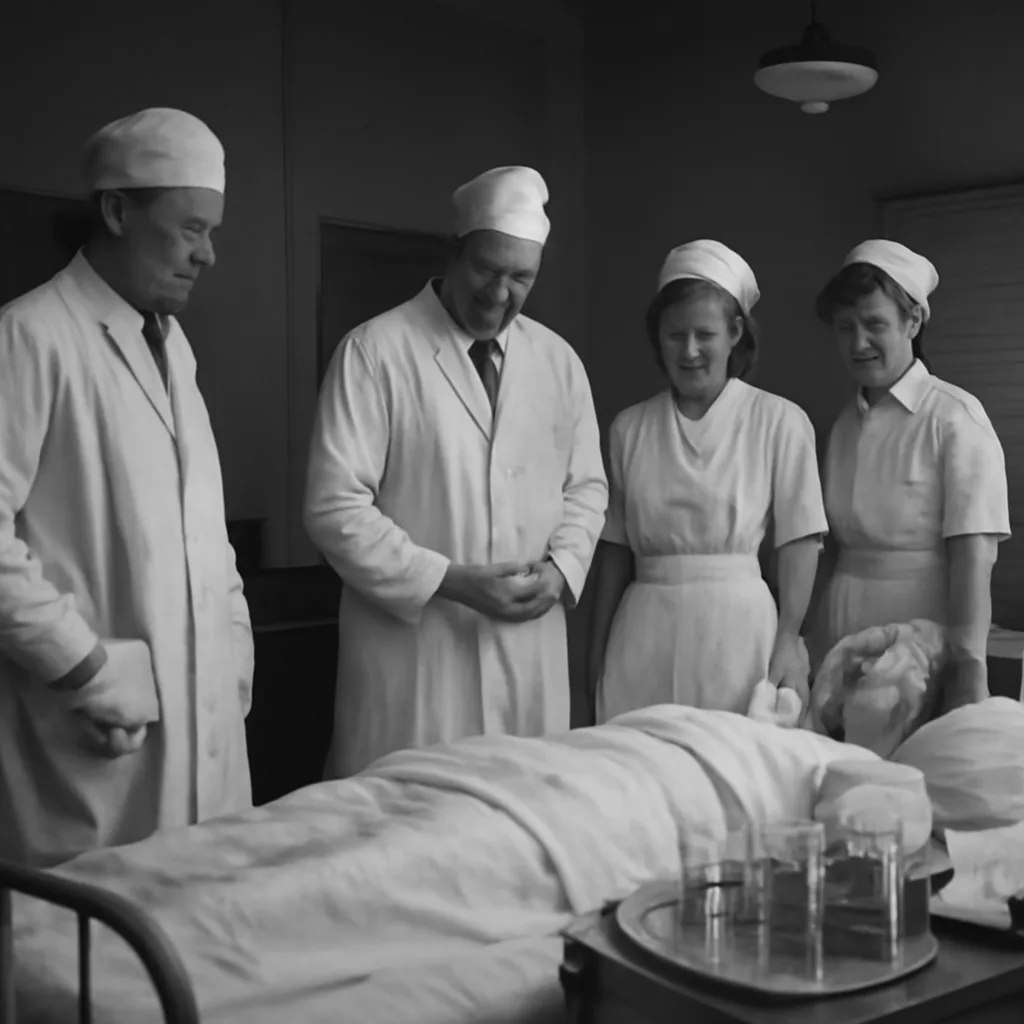
On February 9, 1945, physicians at the University of Rochester injected plutonium into patient Albert Stevens (known then as Clarence B. or “Patient CAL-1”), marking the first documented case of deliberate human plutonium exposure in U.S. government-related research.