On this day: July 1
The 1518 Strasbourg Dancing Plague: the first documented outbreak of contagious dancing

In July 1518, residents of Strasbourg (then in the Holy Roman Empire) experienced a sudden outbreak of uncontrollable dancing that lasted weeks and affected dozens; contemporary records describe people dancing in the streets until exhaustion, illness, or death.
The 1518 Strasbourg Dancing Plague: Europe's first well-documented mass hysteria
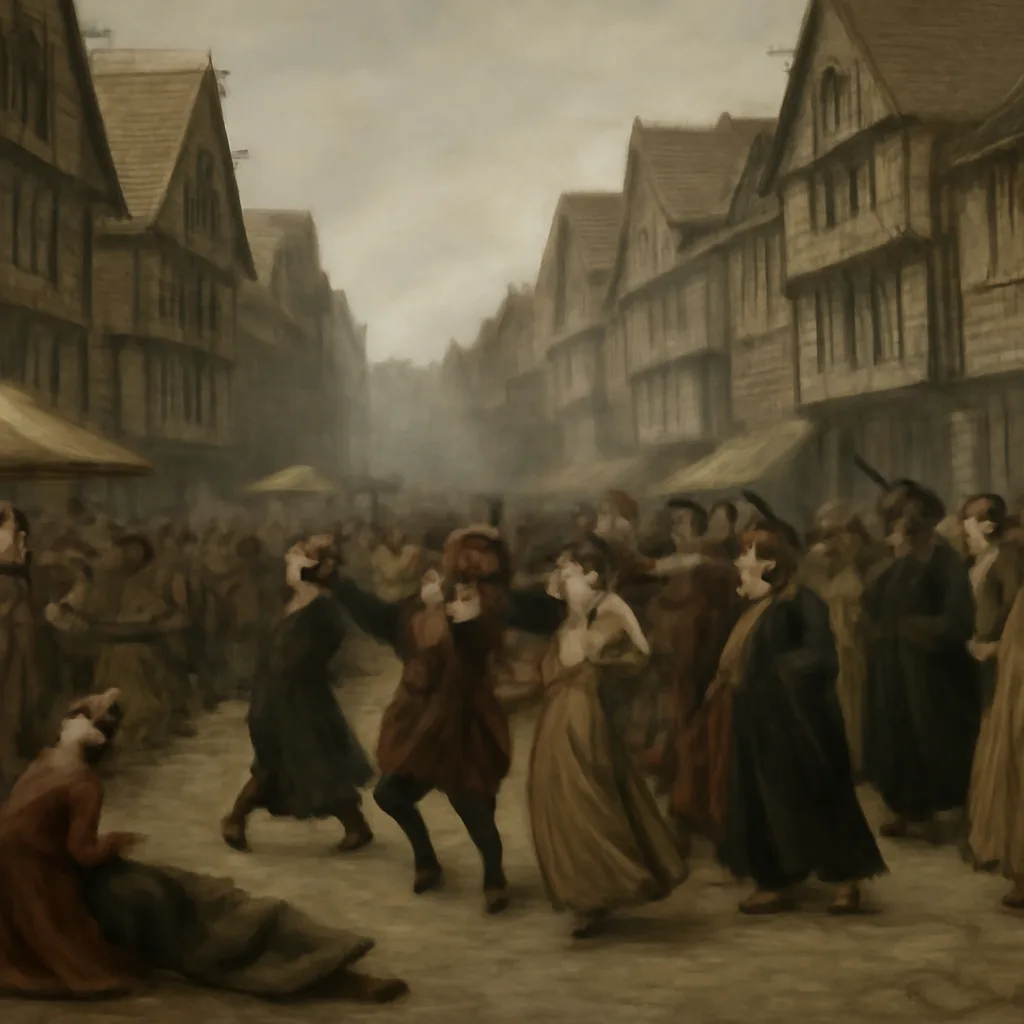
In July 1518, residents of Strasbourg (then in the Holy Roman Empire) experienced a prolonged outbreak of compulsive dancing, later recorded by municipal and medical sources and often cited as the earliest well-documented case of mass psychogenic illness.
The 1518 Strasbourg Dancing Plague: a mass movement in late medieval Alsace
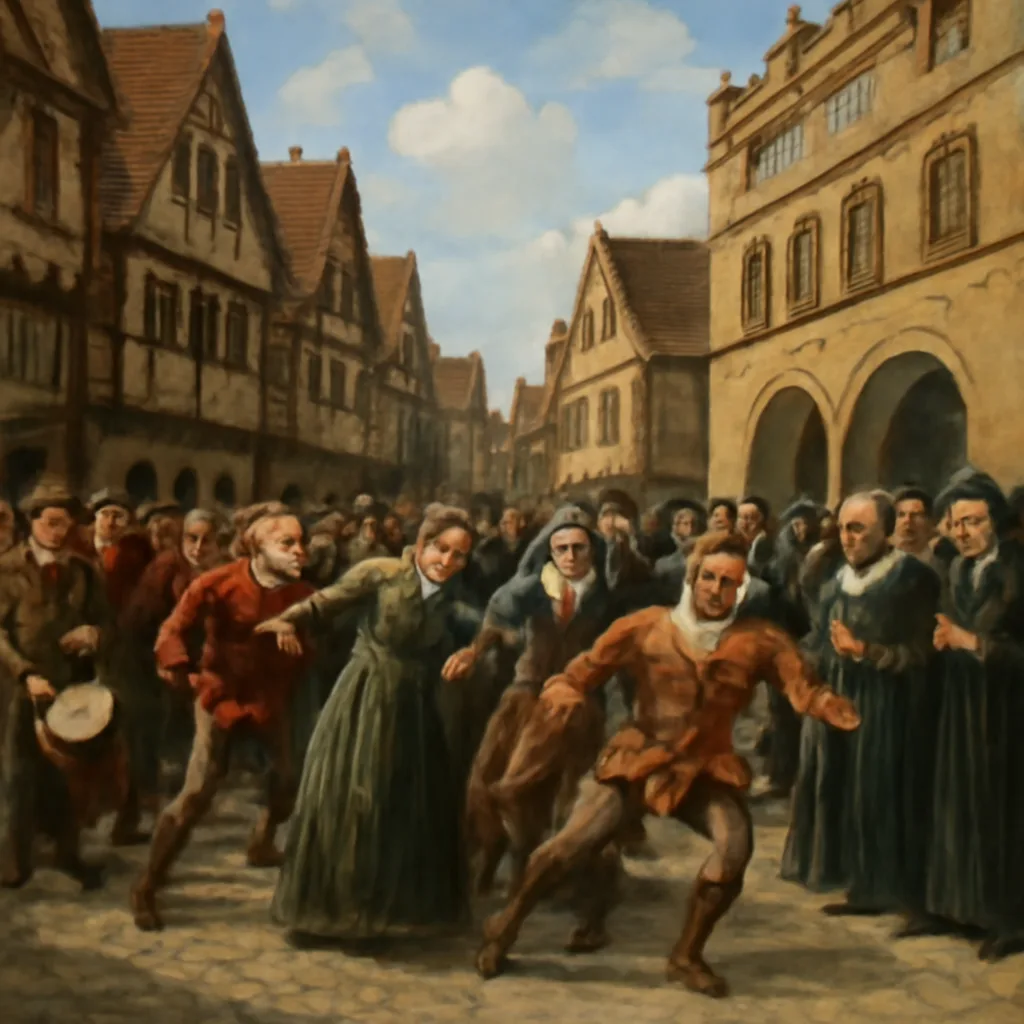
In July 1518, residents of Strasbourg (then in the Holy Roman Empire) experienced a weeks-long outbreak of involuntary, sustained dancing and convulsions affecting dozens to possibly hundreds; contemporaries offered varied explanations from divine wrath to natural causes.
The 1518 Strasbourg Dancing Plague: A mass movement of involuntary dance
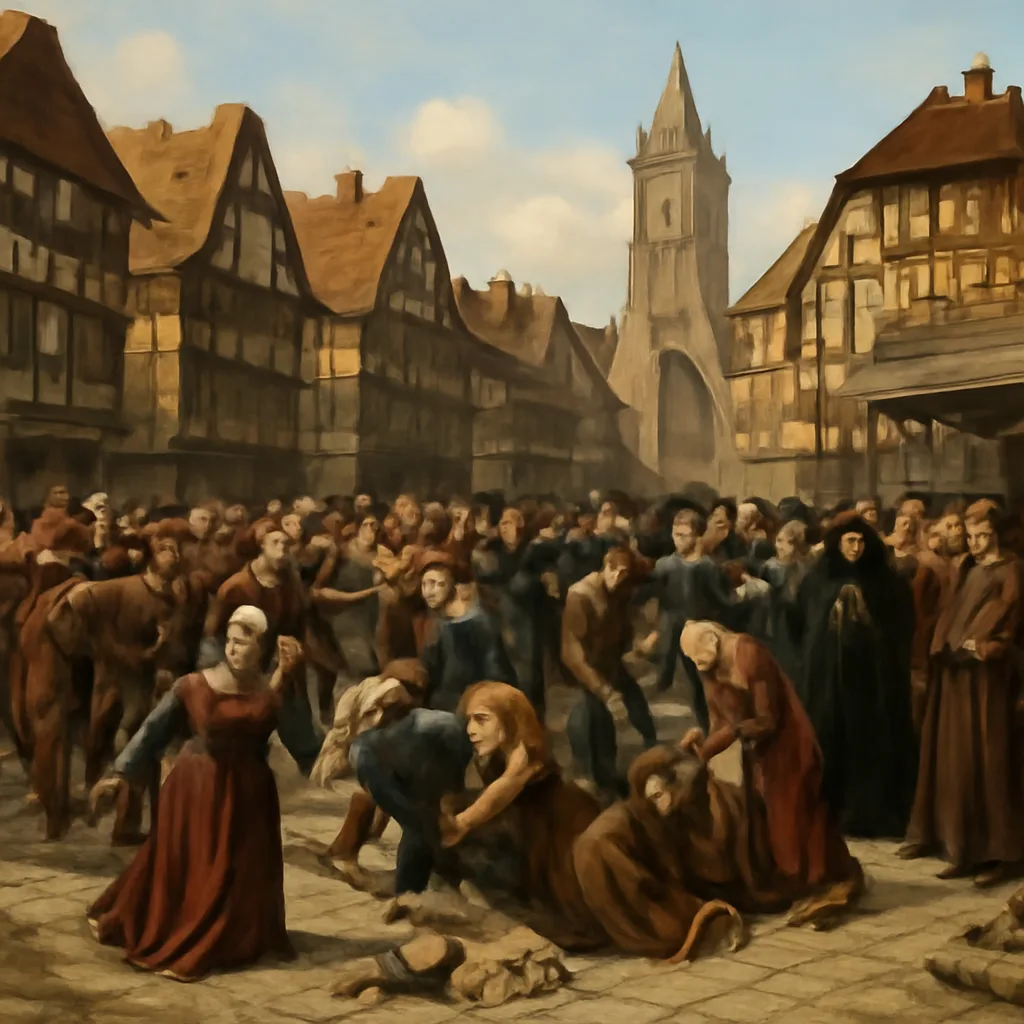
In July 1518, dozens of Strasbourg residents began dancing uncontrollably in the streets for days; contemporary records describe a spreading phenomenon later termed a 'dancing plague', whose causes remain debated among historians and medical researchers.
Oscar-class Submarine Reportedly Sinks During Russian Naval Exercise
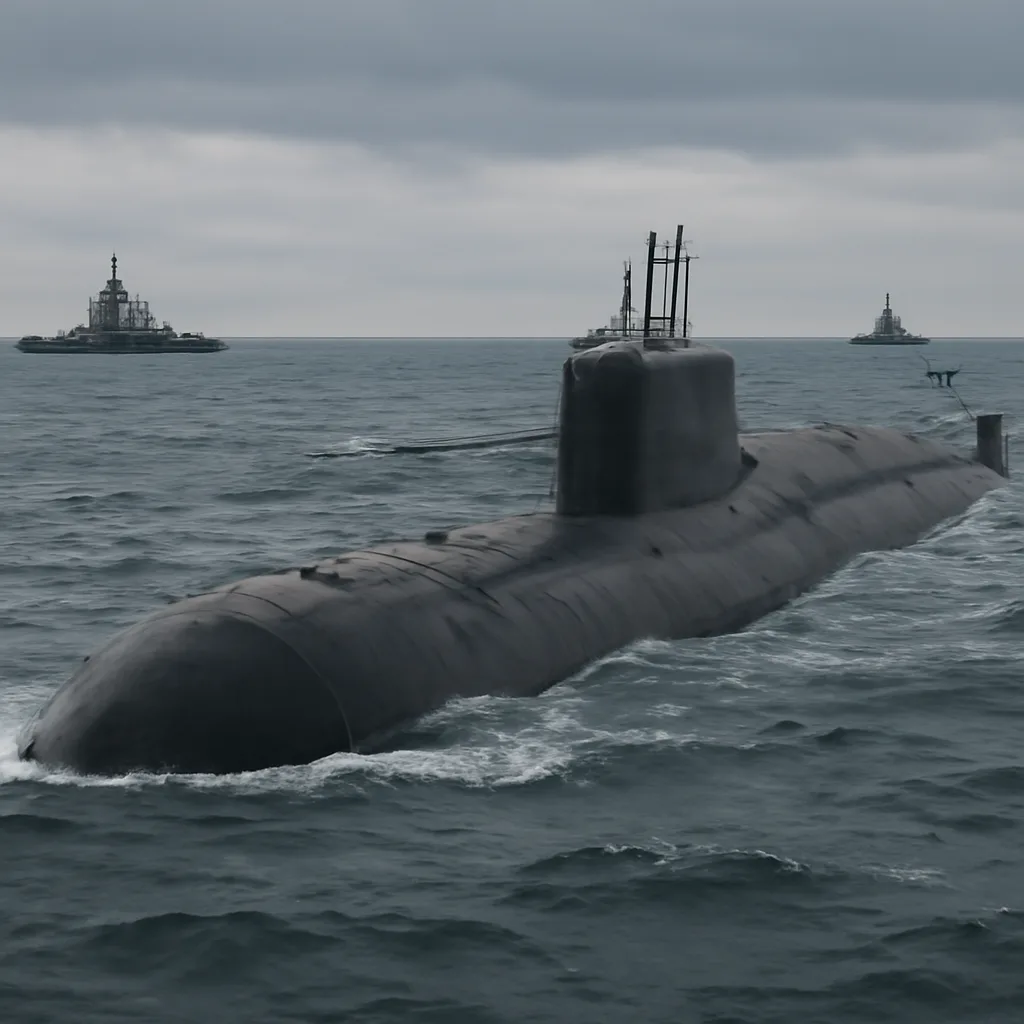
A Russian Oscar-class guided-missile submarine is reported to have sunk during naval exercises on July 1 in an incident with limited confirmed details; official sources and independent verification remain sparse.
Russian Oscar-class Submarine Sinks During 2000 Naval Exercise
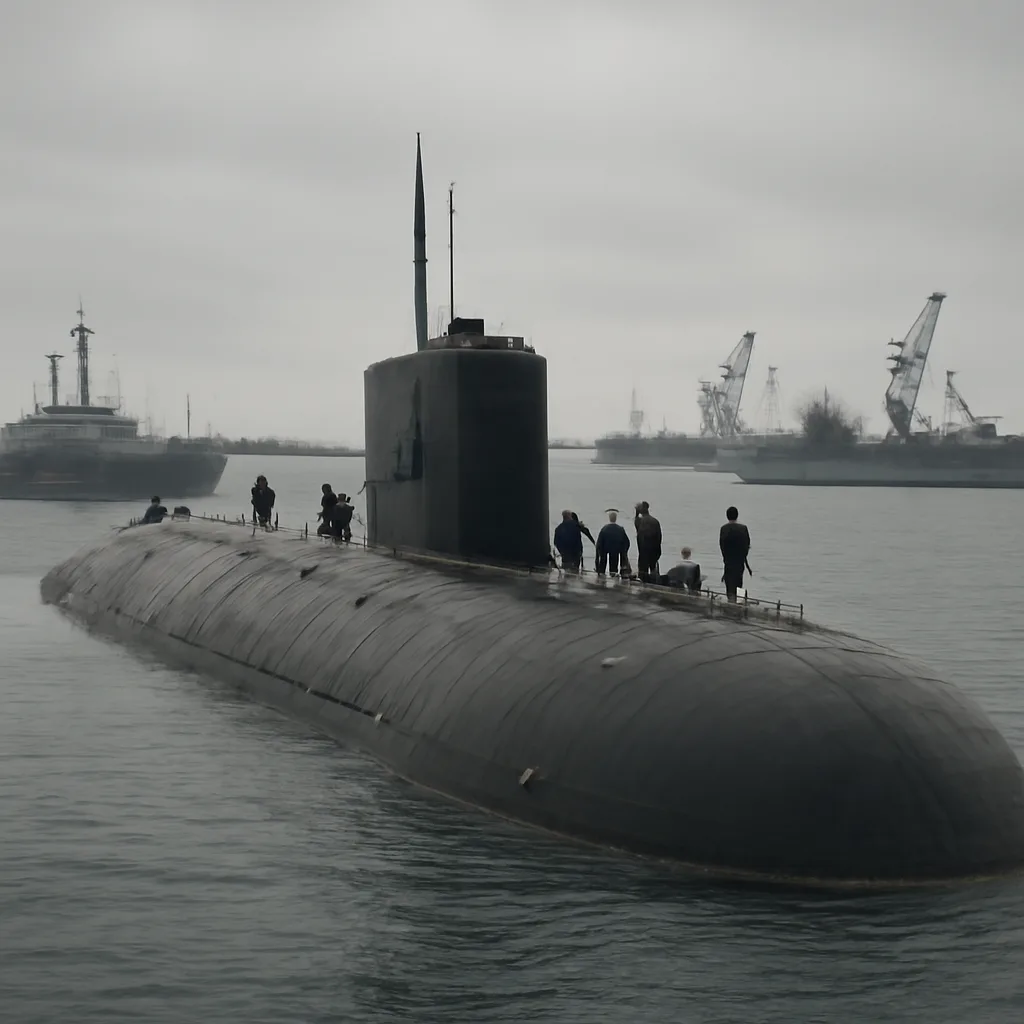
On 1 July 2000 an Oscar-class Russian nuclear-powered cruise missile submarine sank during a Black Sea training exercise; the incident caused casualties and prompted official investigations into safety and crew procedure.
British punk erupts after heated 1977 TV appearance

A contentious television spot in July 1977 — widely reported as inflammatory toward mainstream Britain — accelerated public attention and media coverage of the burgeoning UK punk scene, intensifying debates about youth culture, music and social unrest.
U.S. Implements Large-Scale Draft as World War I Intensifies

On July 1, 1917, the United States began large-scale conscription under the Selective Service Act to raise forces for the escalating conflict in Europe, marking a major shift from a small volunteer army to mass mobilization.
Supreme Court Expands Abortion Rights in 1971 Ruling

On July 1, 1971, the U.S. Supreme Court issued a decision that broadened constitutional protection for abortion access, marking an important step in the legal trajectory that culminated in later landmark rulings. The case reshaped how courts evaluate state restrictions on abortion.