On this day: July 26
Draft Resistance Protests Spread Nationwide Amid Vietnam War, July 1967
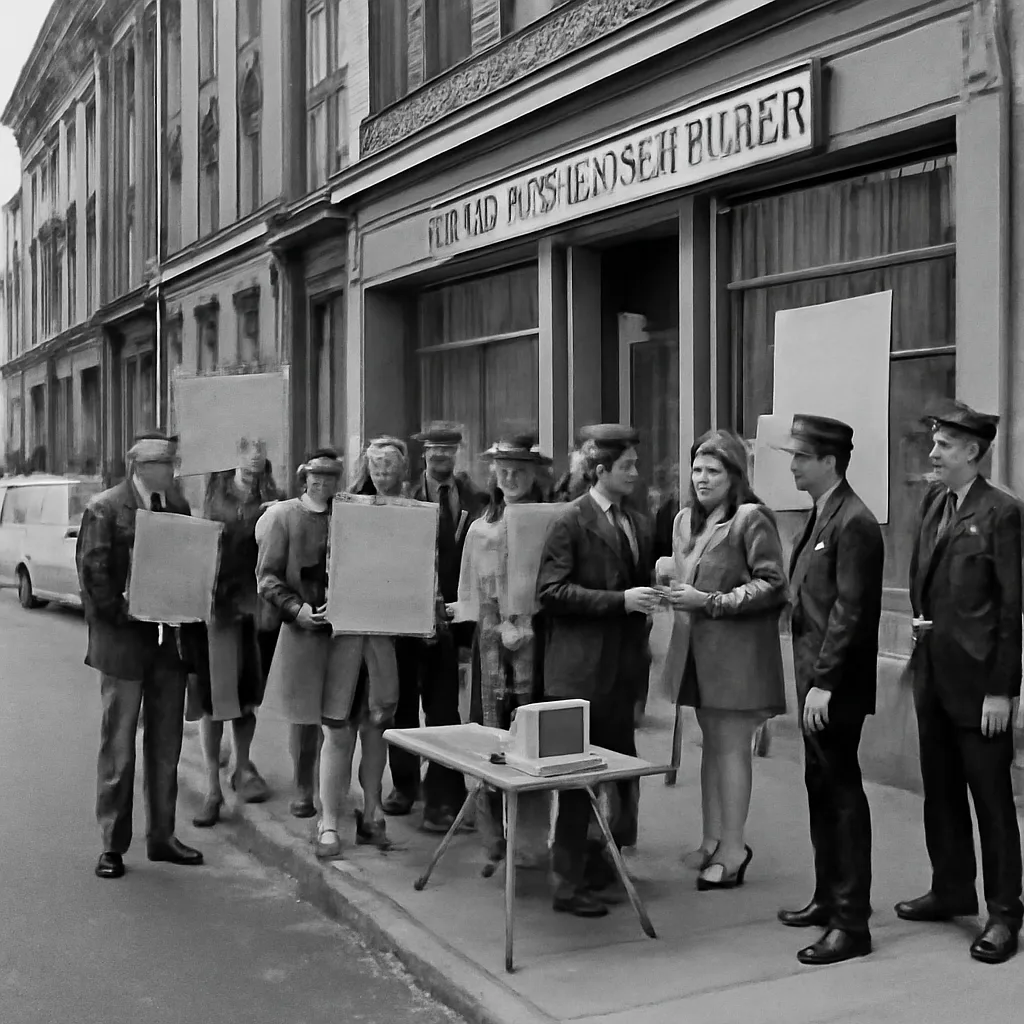
In late July 1967, growing opposition to the Vietnam War coalesced into coordinated draft resistance actions and demonstrations across U.S. cities and college campuses, signaling broadening public dissent against conscription and the war effort.
India declares Emergency, curtailing civil liberties
On 26 July 1975 Prime Minister Indira Gandhi advised President Fakhruddin Ali Ahmed to proclaim a state of Emergency across India, suspending many civil liberties and imposing press censorship; the move triggered mass arrests of opposition leaders and long-term political consequences.
Violent Clashes Between Chicago Police and Antiwar Demonstrators at 1968 DNC
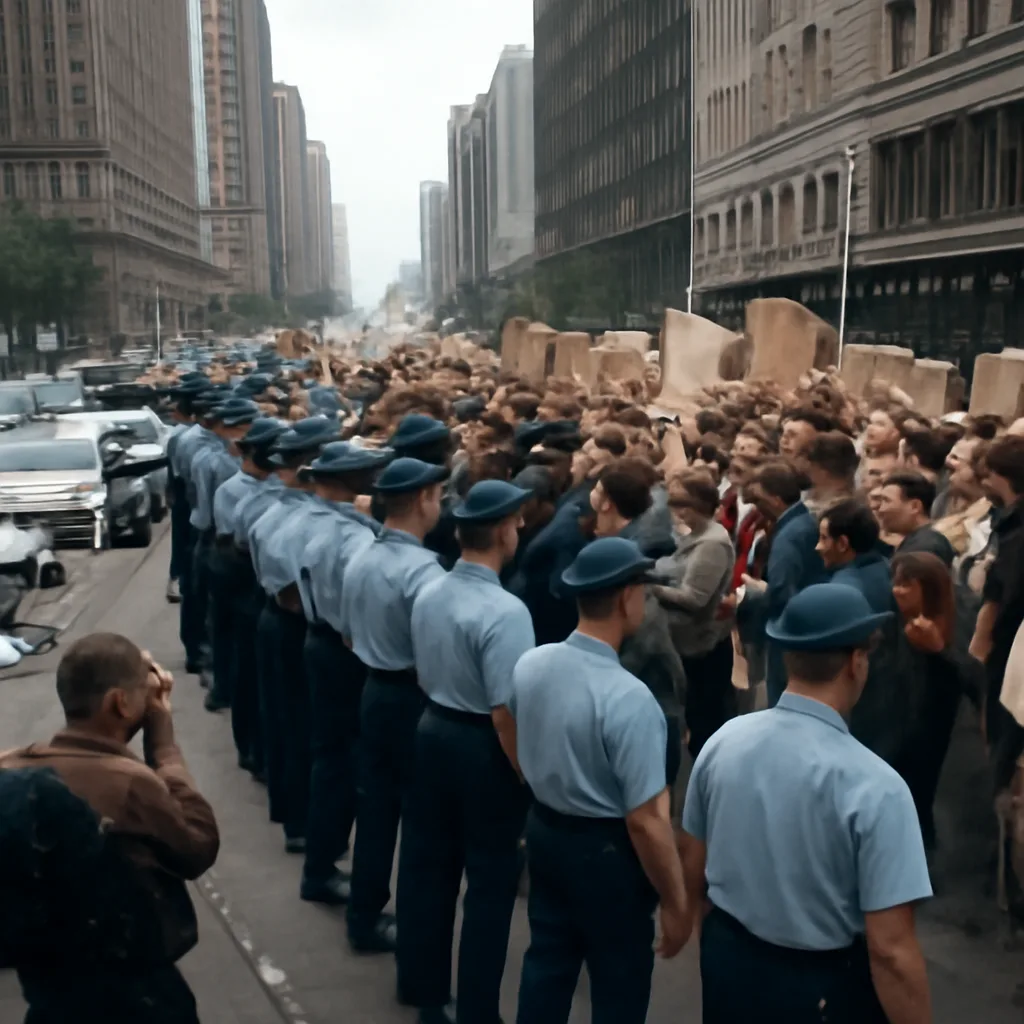
At the Democratic National Convention in Chicago on July 26, 1968, large antiwar demonstrations confronting the Vietnam War met forceful police action, resulting in mass arrests, dozens injured, and national outrage over the handling of protesters and journalists.
Japan Signals Willingness to Discuss Surrender After Atomic Attacks
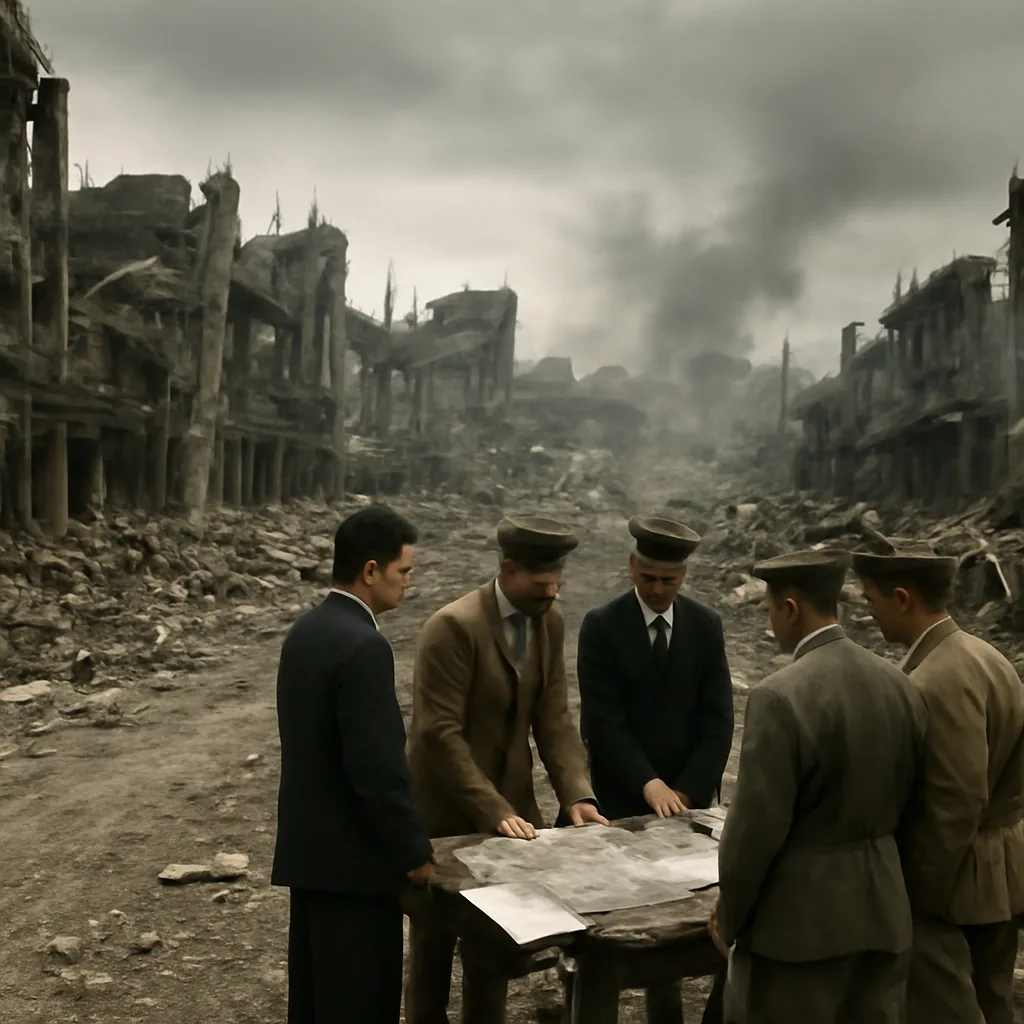
In late July 1945, as Japan reeled from unprecedented destruction and continued Allied advances, Tokyo signaled it was prepared to explore surrender terms—an overture shaped by the atomic bombings, Soviet entry into the war, and internal debates among Japanese leaders.