
← Back
07/26/1967 • 4 views

Draft Resistance Protests Spread Nationwide Amid Vietnam War, July 1967
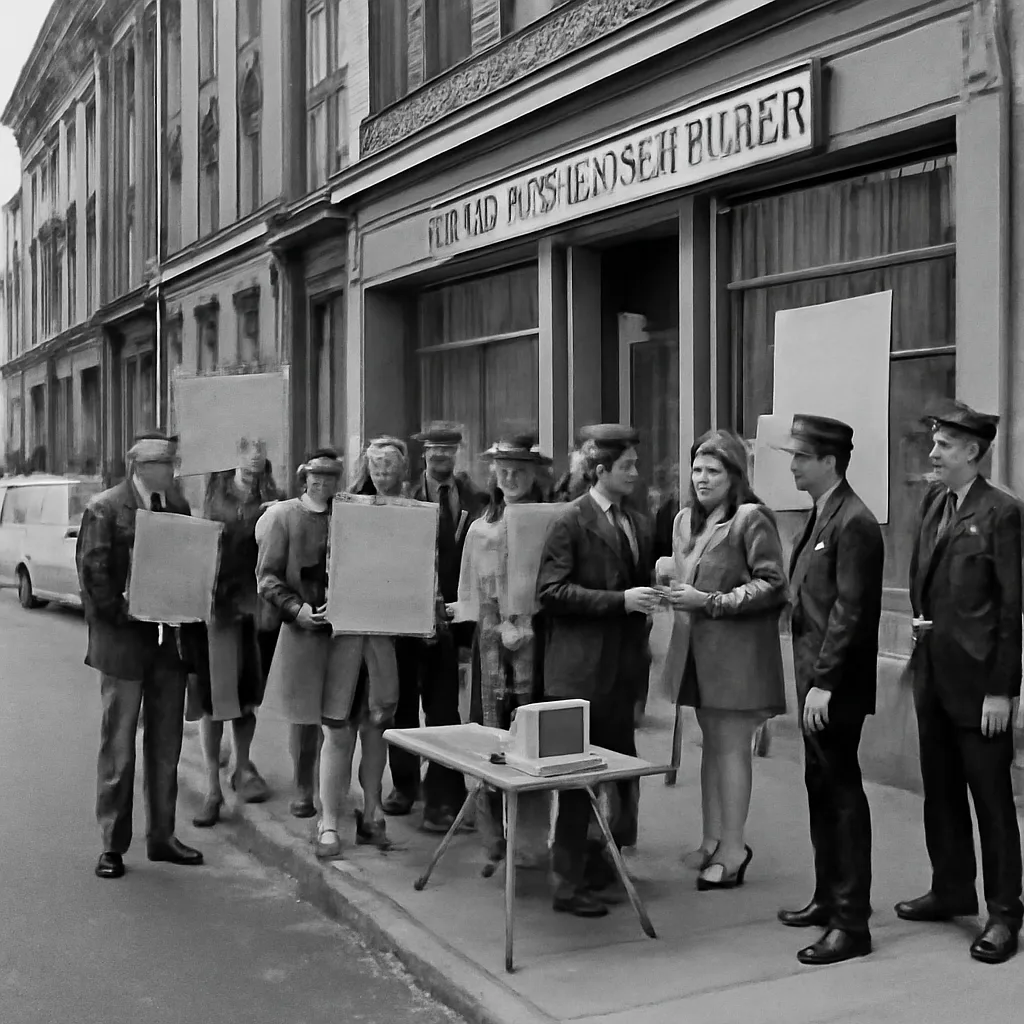
A 1960s-era street scene of college-age protesters and draft counselors outside a Selective Service office, with protest signs and period clothing; faces are not individually identifiable.

In late July 1967, growing opposition to the Vietnam War coalesced into coordinated draft resistance actions and demonstrations across U.S. cities and college campuses, signaling broadening public dissent against conscription and the war effort.


By July 26, 1967, opposition to the Vietnam War had moved beyond isolated campus teach-ins and local marches into more organized, nationwide draft resistance actions. The draft—selective service conscription used to supply manpower for U.S. forces in Vietnam—became a focal point for activists who argued that the system was both morally wrong and administered in ways that disproportionately affected poorer and minority Americans.

In the months leading up to July 1967, antiwar sentiment intensified as casualty reports, televised combat footage, and mounting troop commitments fueled public unease. Student activists, clergy, civil rights organizers, and some veterans joined local and national groups that encouraged draft-age men to resist induction by refusing to register, burning draft cards where it was still lawful, or turning themselves in to authorities to prompt mass trials and gain publicity. These tactics aimed to disrupt the draft system, push for legislative change, and draw broader public attention to the human and ethical costs of the war.

Protests and resistance took multiple forms. On many college campuses, teach-ins continued to educate students and the public about the war’s origins, its conduct, and alternatives to escalation. Draft counseling centers appeared in cities and towns to advise young men of their legal rights and options, including conscientious objection procedures or avenues for deferment. In some places, demonstrators organized public refusals to cooperate with draft boards, sit-ins at Selective Service offices, and marches designed to converge on federal buildings. Clergy groups staged nonviolent direct actions, and civil rights activists highlighted the draft’s uneven application across racial and class lines.

Not all actions were centrally coordinated; local organizers often set their own tactics and targets. Nevertheless, news reports and communications among activist networks show a clear pattern of imitation and escalation: actions in one city inspired related demonstrations elsewhere, creating a sense of a nationwide movement. This spreading resistance complicated efforts by federal and local authorities to enforce draft laws uniformly and placed additional political pressure on elected officials sympathetic to the war or to conscription as policy.

The legal and political responses varied. Some draft board officials pursued prosecutions for draft evasion or for destruction of draft cards after Congress criminalized that act in 1965, while other jurisdictions treated demonstrators more leniently, sometimes resulting in arrests for disorderly conduct rather than federal charges. Congressional debates over the draft and war funding continued, and lawmakers faced increasing constituent pressure from both antiwar activists and communities that supported the war or feared the social consequences of mass resistance.

Historians note that draft resistance in 1967 did not single-handedly end the draft or the war, but it contributed to a broader shift in public opinion and political calculation. The visibility of draft resistance underscored the human stakes of the conflict and provided a concrete avenue for dissent that reached beyond abstract protest to affect the machinery of mobilization. Over time, sustained opposition helped shape subsequent policy discussions about conscription reforms, alternatives such as an all-volunteer force, and the political costs of continued escalation in Vietnam.

Accounts of this period vary by locality and by source, and actions described here reflect a composite of documented events and reporting from the summer of 1967. Where specific incidents were locally notable, contemporary newspapers and archival records provide detailed chronologies; this summary aims to convey the broader national pattern of growing draft resistance during that week in July 1967.

Share this

Email Share on X Facebook Reddit

Did this surprise you?