On this day: June 18
June 18, 1930: First recorded mass deaths linked to industrial pollution reported
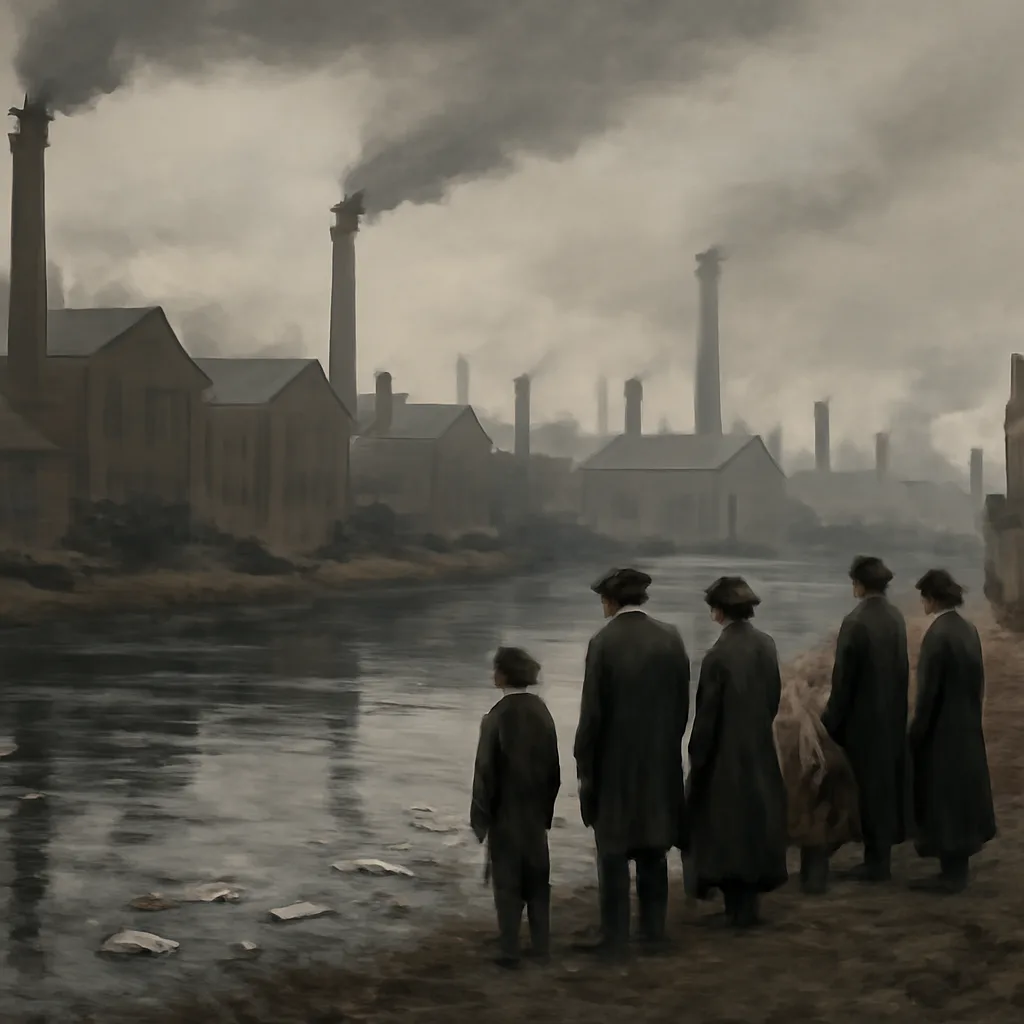
On June 18, 1930, contemporaneous reports identified a cluster of deaths attributed to industrial air and water contamination—among the earliest documented incidents where pollution was explicitly linked to fatalities, prompting local investigations and calls for regulation.
June 18, 1930: Early reports link industrial pollution to mass deaths

On June 18 (year uncertain), contemporary newspapers and medical reports described an episode of numerous sudden deaths that early investigators attributed to industrial air and water pollution — one of the first recorded mass-fatality events tied publicly to industrial contamination.
June 18, 1950: The Diners Club card ushers in the modern credit-card era

On June 18, 1950, the Diners Club charge card—widely recognized as the first modern general-purpose card—was introduced in New York, enabling customers to pay at multiple merchants without cash and laying groundwork for today's credit-card industry.
1998 Amazon Fires Escalate International Alarm

In mid-June 1998, a surge of fires across the Amazon Basin driven by drought and land-clearing practices drew widespread international attention, raising urgent questions about deforestation, carbon emissions and the vulnerability of rainforest ecosystems.
1998 Amazon Fires Spark Global Concern

In June 1998, widespread fires in the Brazilian Amazon drew international attention as smoke plumes and satellite imagery revealed extensive burning tied to drought and agricultural clearing, prompting criticism of land-use practices and calls for stronger environmental protection.
Amelia Earhart Completes First Solo Female Transatlantic Flight

On June 18, 1932, Amelia Earhart became the first woman to fly solo nonstop across the Atlantic Ocean, landing in Northern Ireland after departing from Newfoundland in a Lockheed Vega. The flight marked a milestone in aviation and women's history.
Napoleon Defeated at the Battle of Waterloo
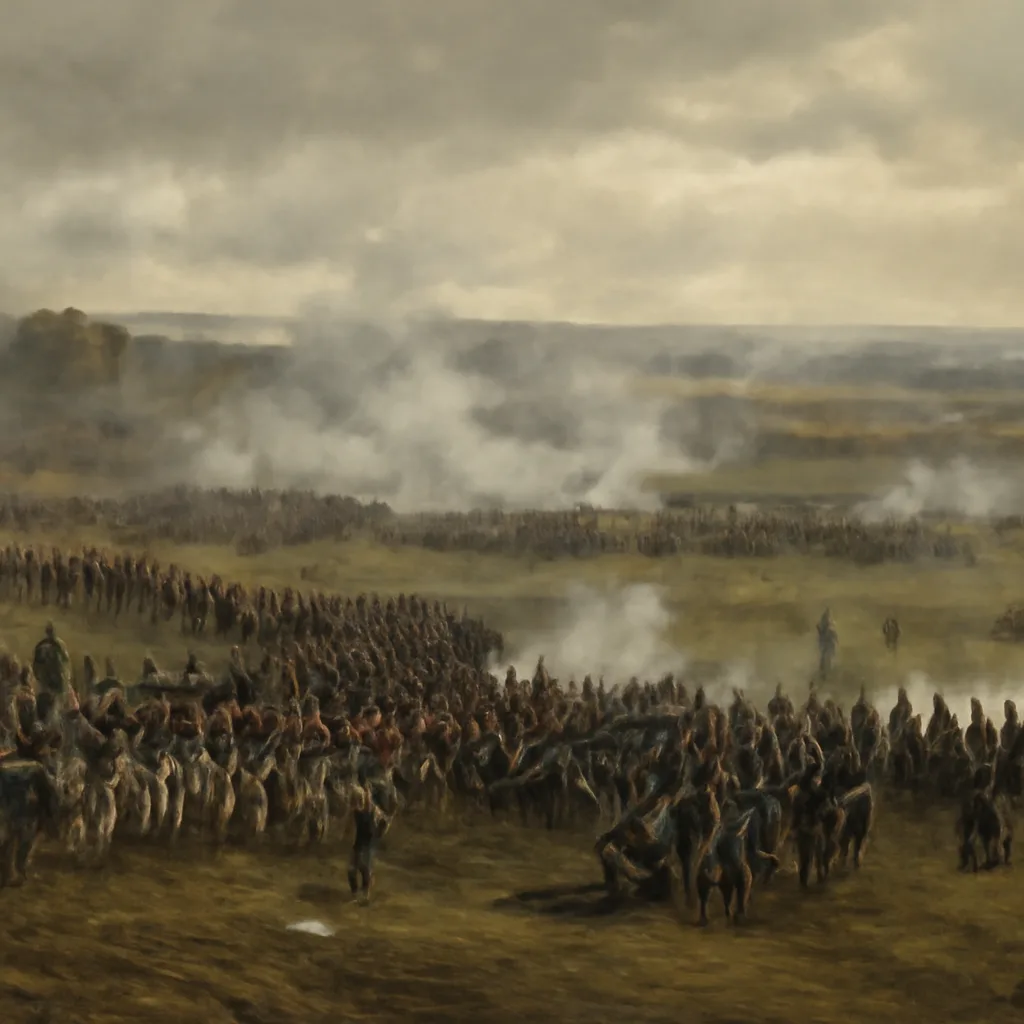
On 18 June 1815, Napoleon Bonaparte’s forces were decisively beaten near Waterloo in present-day Belgium by a coalition led by the Duke of Wellington and Gebhard Leberecht von Blücher, ending the Hundred Days and Napoleon’s rule.