On this day: May 22
Human Skeleton Discovered Sealed Inside Church Wall
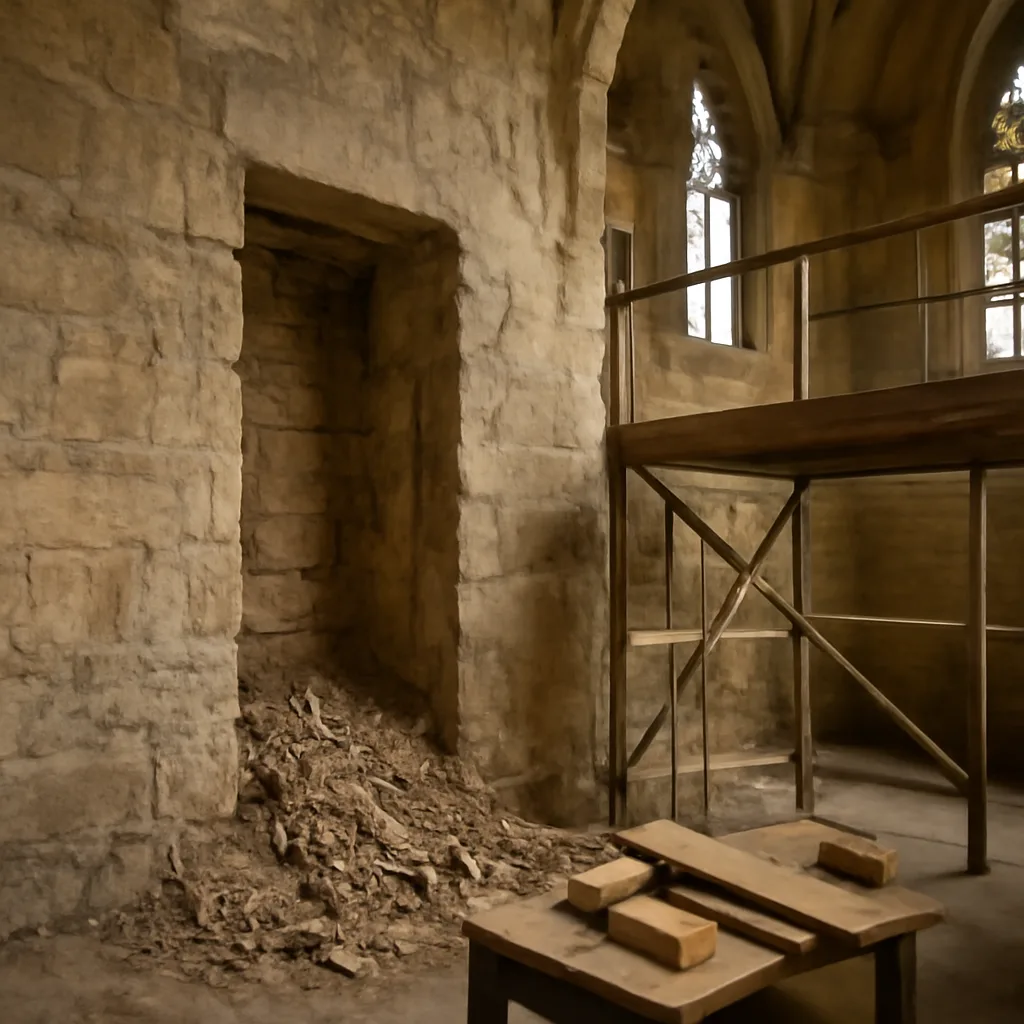
Workers renovating a church uncovered a human skeleton hidden within an internal wall on May 22, 1984. Authorities opened an investigation to determine identity, cause of death and whether the concealment was intentional or related to historical building practices.
Investigation Launched into 22 May 1933 Airplane Sabotage — Early Aviation Criminal Probe
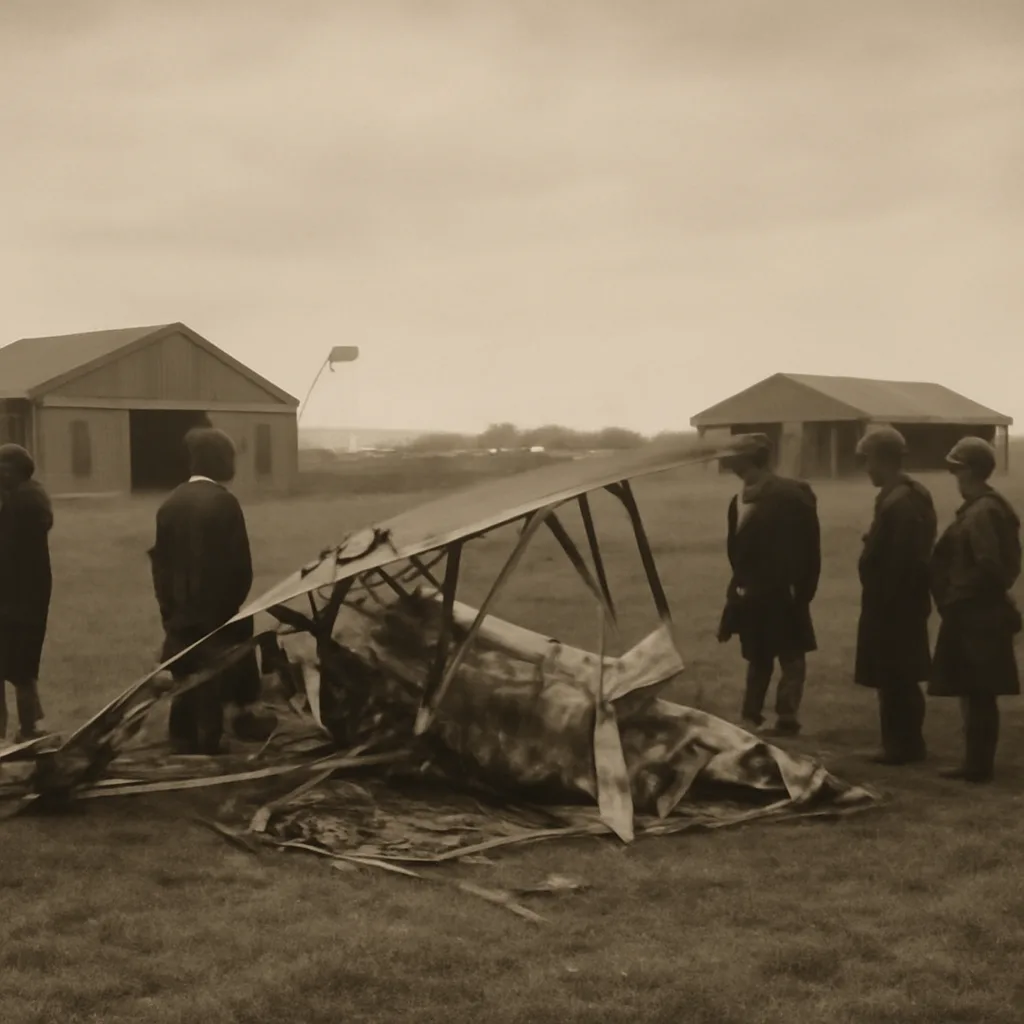
On 22 May (year uncertain), authorities opened an investigation into the deliberate destruction of an aircraft, one of the earlier recorded cases of sabotage in civil aviation, prompting questions about security, motive and forensic capability in the interwar period.
May 1909 Panic Over Counterfeit Banknotes Spreads Across Cities

In late May 1909 merchants and banks in several cities reported a wave of counterfeit banknotes, prompting cash-handling precautions and police inquiries as authorities sought to trace their origin.
Investigation Opens into 22 May 1933 Airplane Sabotage — an Early Case in Aviation History
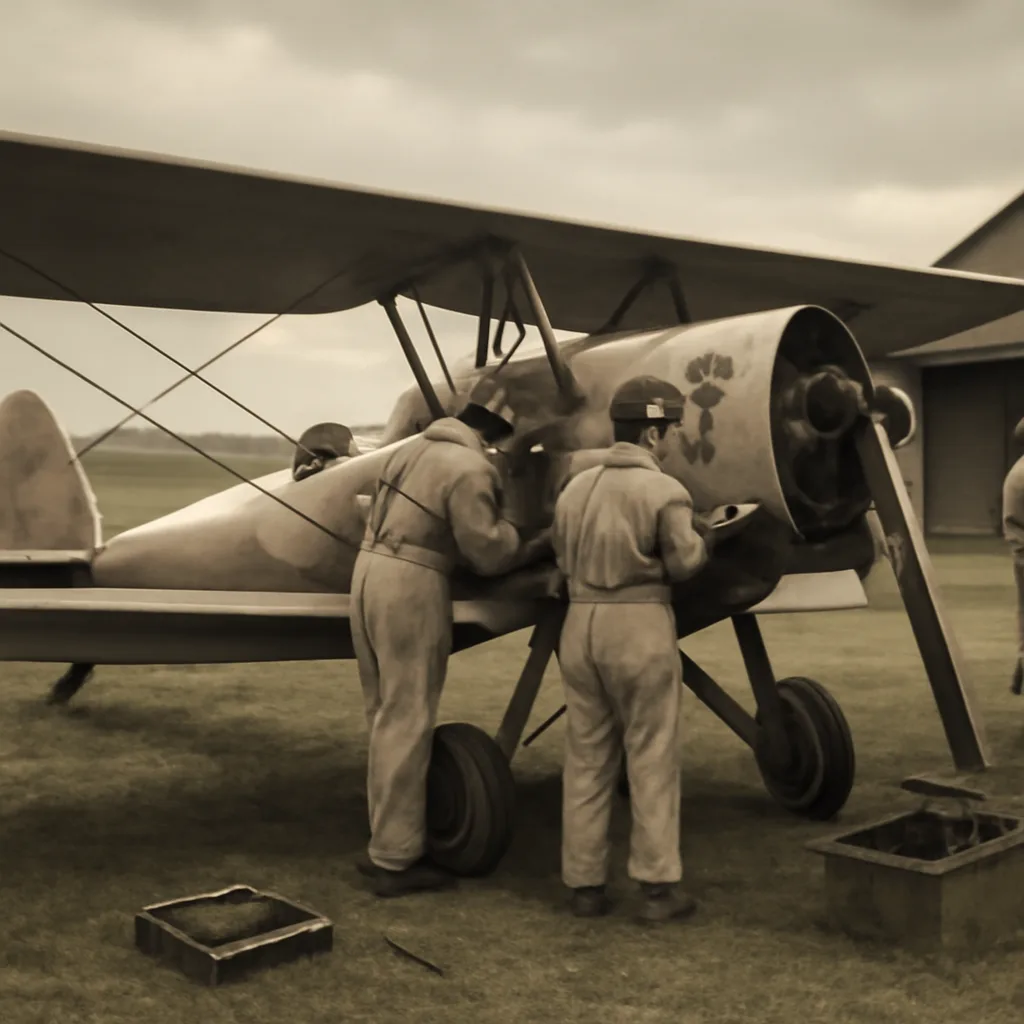
On 22 May 1933 authorities investigated what contemporaneous reports described as the first documented case of airplane sabotage: deliberate tampering with aircraft leading to a crash and renewed attention to aviation security in the interwar years.
Panic Over Counterfeit Banknotes Spreads in May 1909

On May 22, 1909, authorities and bankers confronted the first widely reported panic over counterfeit banknotes, prompting bank inspections, temporary closures, and calls for stricter safeguards as public confidence wavered.
1955: First Major Airline Disaster Attributed to Sabotage Confirmed
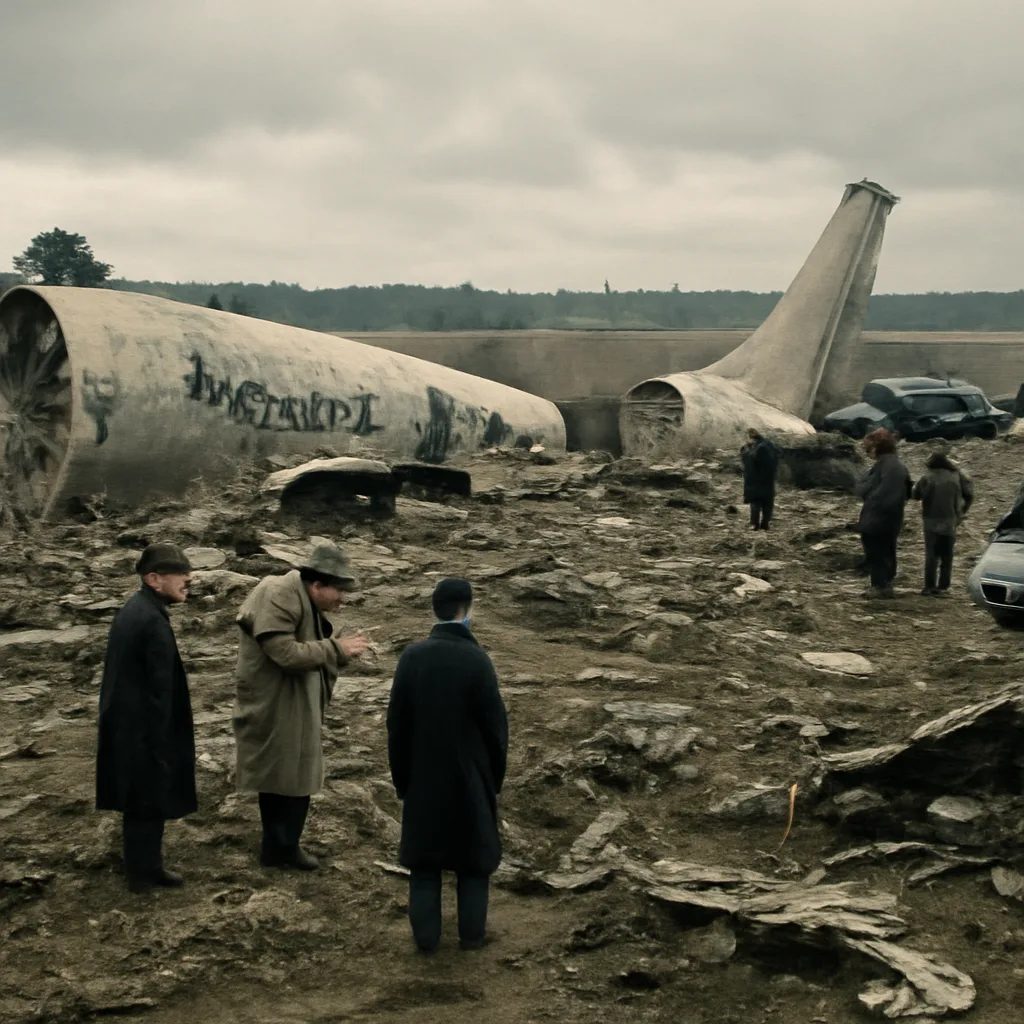
On May 22, 1955, investigators concluded that sabotage caused a major midcentury airliner crash, marking the first confirmed instance of deliberate destruction of a passenger aircraft and prompting new security and investigative practices.
First Large-Scale Chemical Attack Reported During Second Battle of Ypres
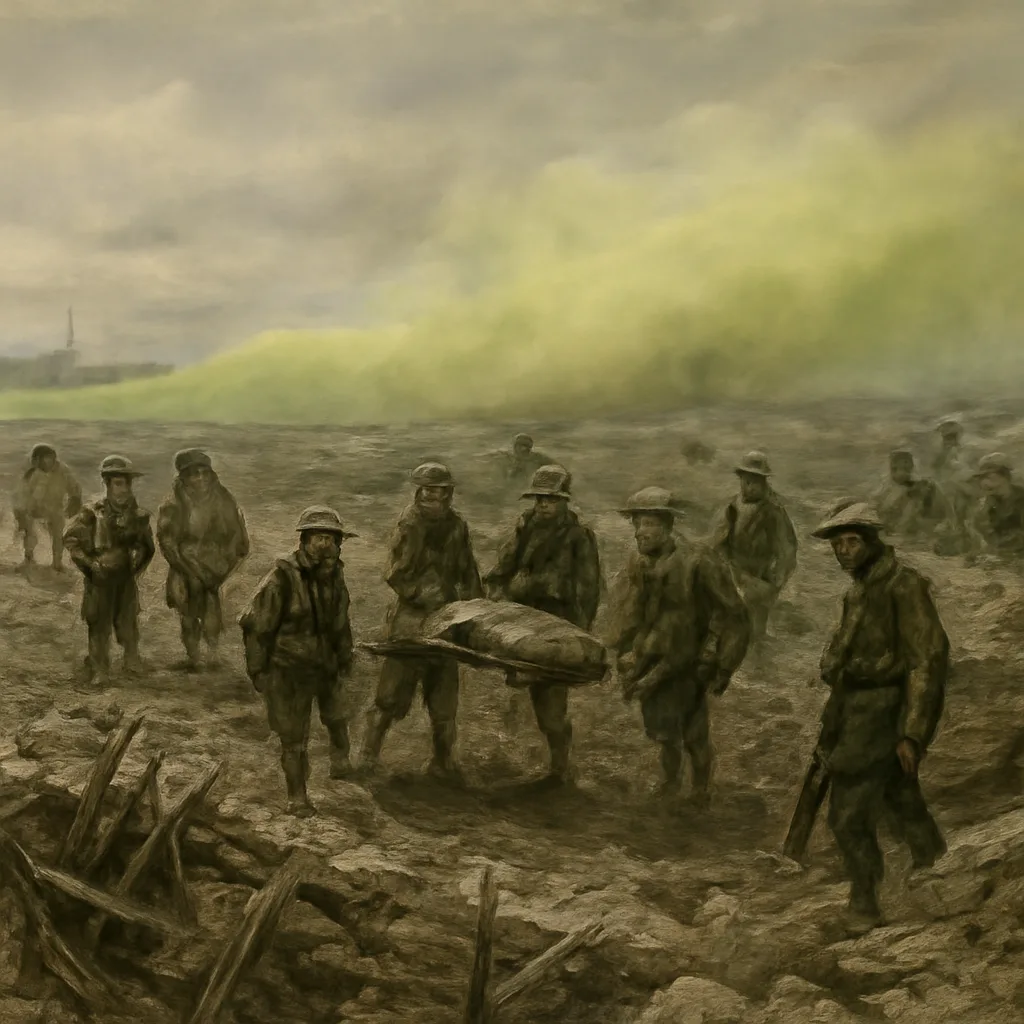
On 22 May 1915, Allied and German forces at Ypres reported the first large-scale use of chemical weapons in modern warfare when German troops released chlorine gas along a broad front, producing significant casualties and marking a grim new chapter in World War I.