On this day: September 21
Inside the 1986 London Stock Exchange Fraud Scandal
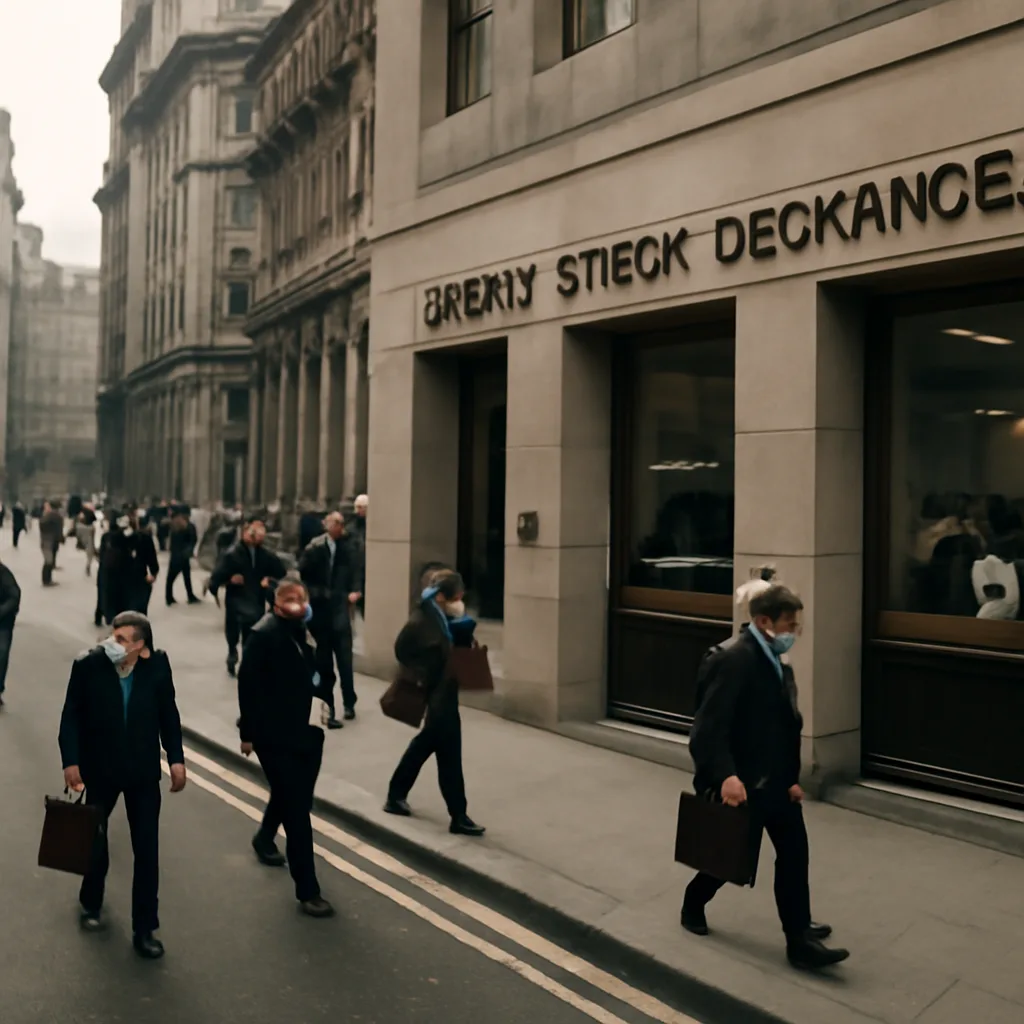
On 21 September 1986, revelations of large-scale fraudulent activity linked to trading and settlement procedures at the London Stock Exchange exposed weaknesses created during the market’s rapid post-'Big Bang' transformation.
Large-Scale Riots Erupt in Athens Amid Greek Debt Crisis
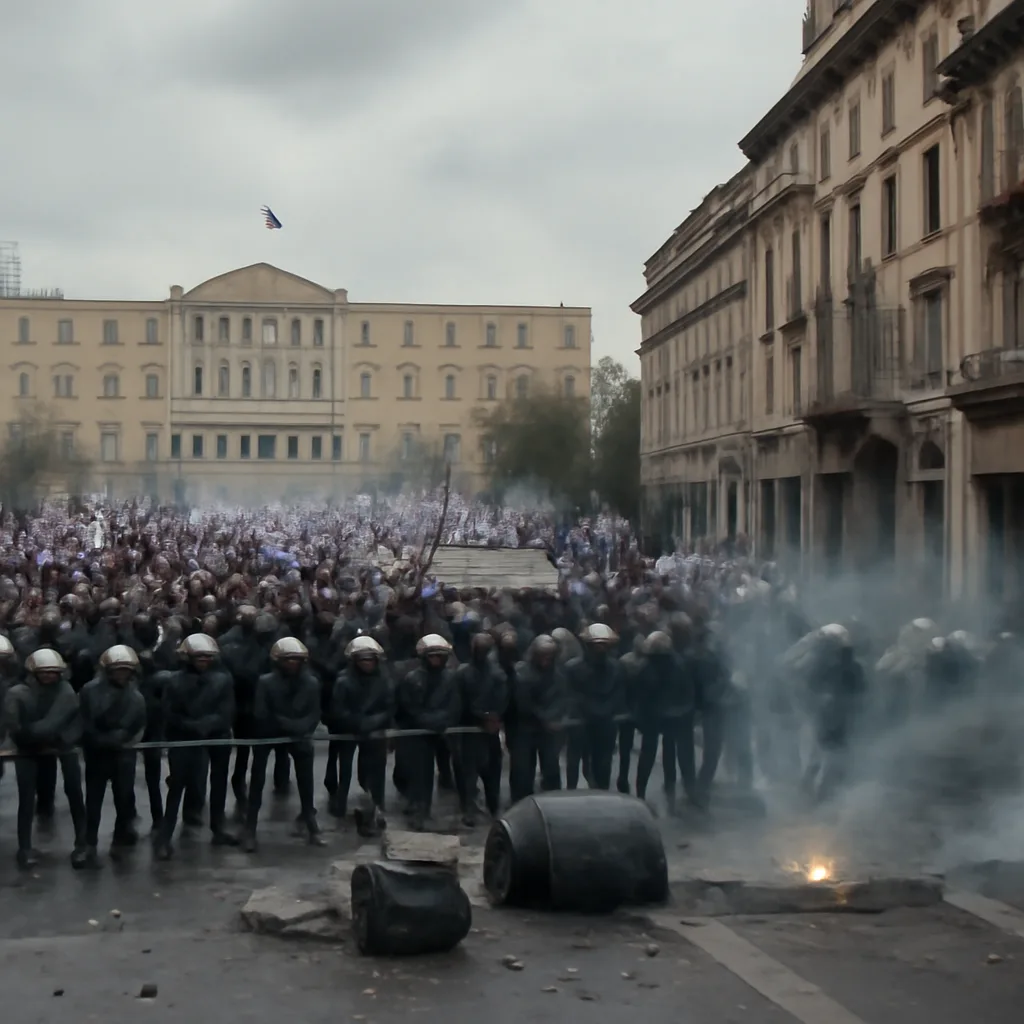
Mass protests in Athens escalated into large-scale riots as Greeks reacted to austerity measures and political turmoil tied to the country’s ongoing debt crisis on September 21. Clashes with police, property damage, and widespread disruptions were reported across central neighborhoods.
Greek Debt Crisis Triggers Large-Scale Riots in Athens
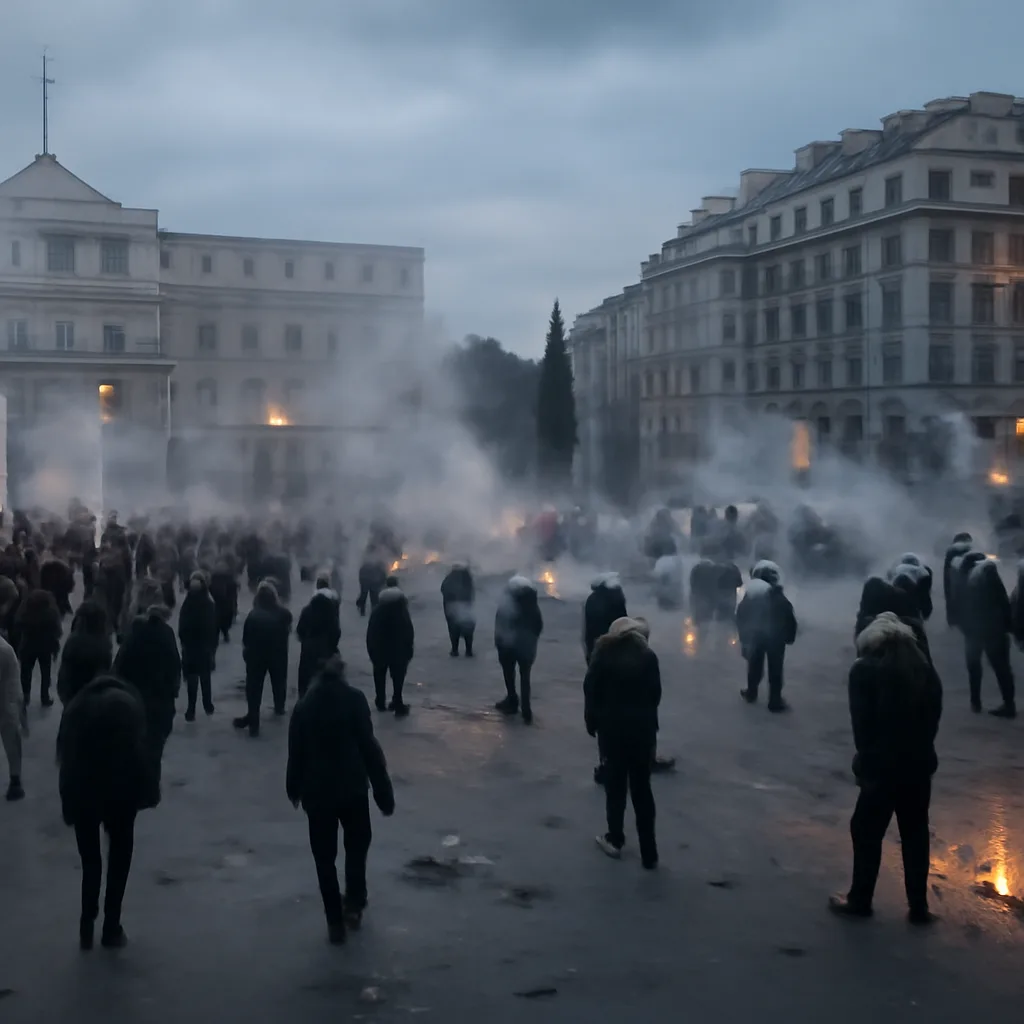
On September 21, 2011, widespread protests in Athens over austerity measures tied to Greece's debt crisis escalated into large riots, with clashes between demonstrators and police across central districts and public buildings targeted by arson and vandalism.
London landmarks evacuated after terror alert on September 21, 2017
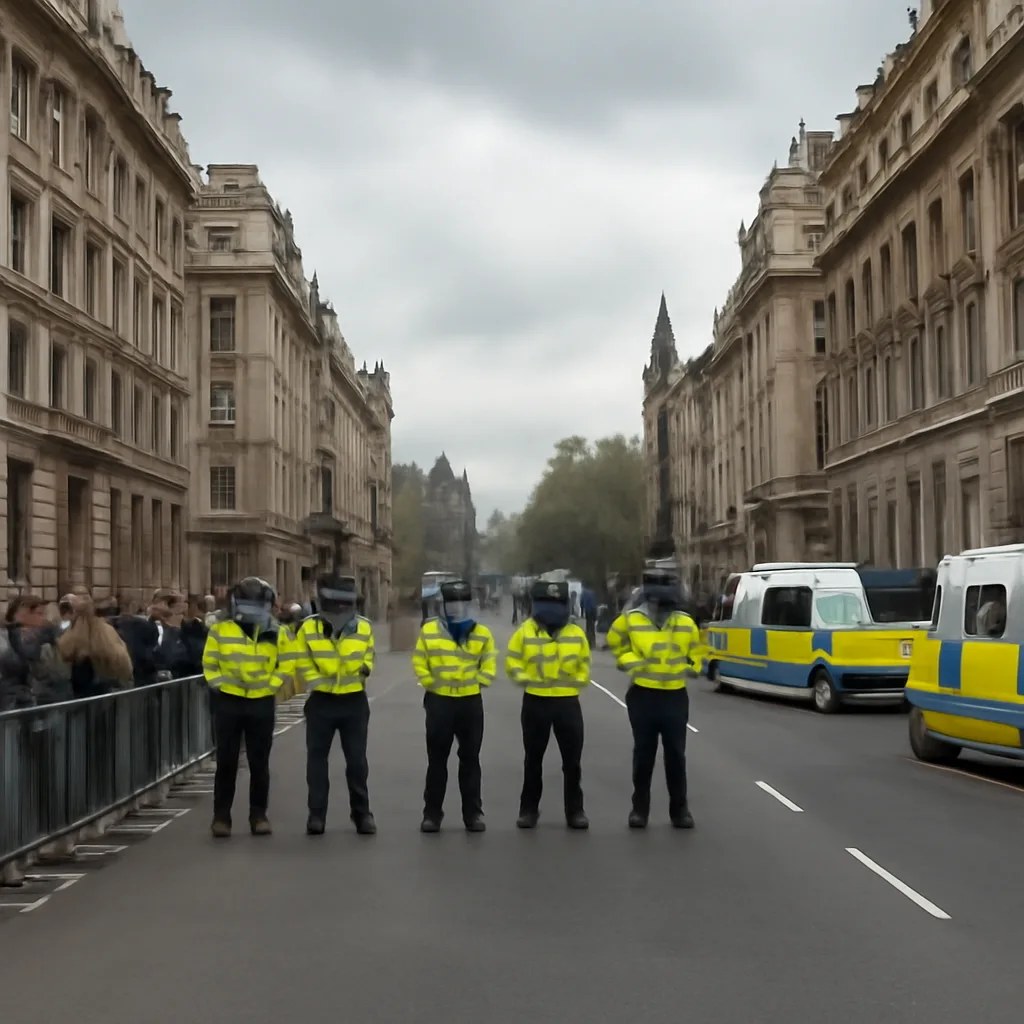
On September 21, 2017, a terror alert prompted the evacuation of several central London landmarks and heavy police activity as authorities investigated a suspected threat. Transport and public sites were disrupted while security services assessed the situation.
Yeltsin Orders Shelling of Moscow Parliament During 1993 Constitutional Crisis
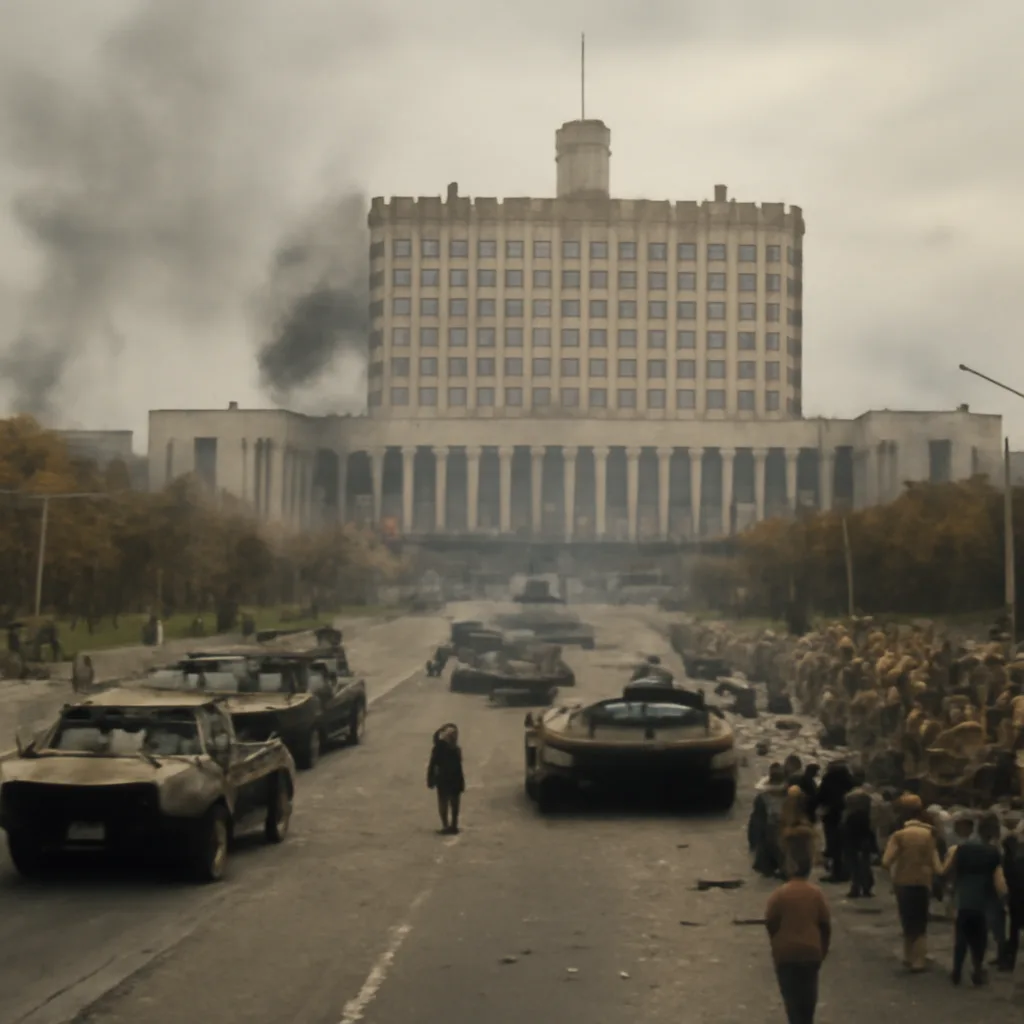
In late September 1993, Russian President Boris Yeltsin ordered military action against the rebel Supreme Soviet in Moscow after weeks of political standoff, culminating in artillery shelling of the parliament building and a bloody end to the constitutional crisis.
Investigation into Pan Am Flight 103 Widens Amid Terror Concerns

Authorities expand the inquiry into the destruction of Pan Am Flight 103 over Lockerbie, Scotland, as investigators pursue leads suggesting a bomb brought down the Boeing 747 on September 21, 1988; inquiries focus on forensic evidence, international links and airline security lapses.
French National Convention Declares End of Monarchy, Proclaims Republic
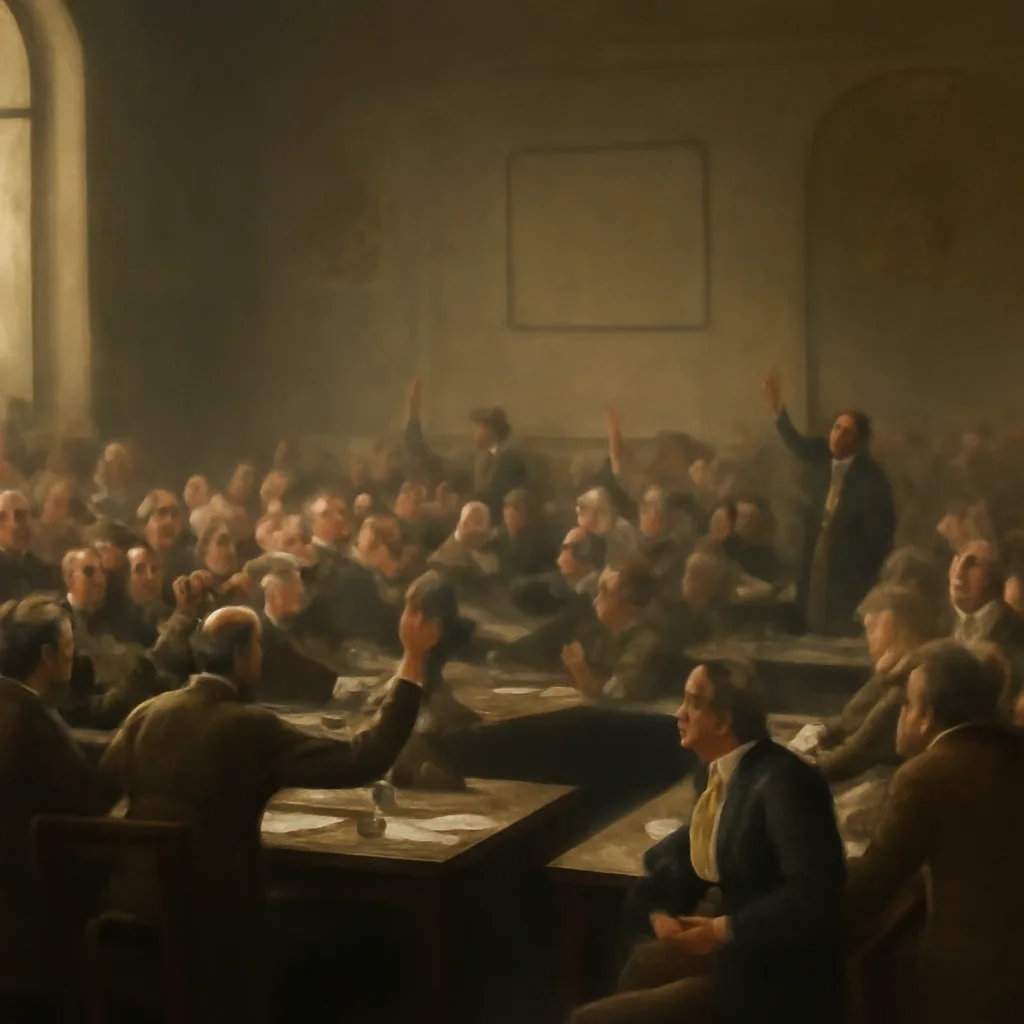
On 21 September 1792, the French National Convention voted to abolish the monarchy and proclaim the French Republic, marking a decisive shift from constitutional monarchy and accelerating revolutionary changes that followed the fall of the king.
United Nations Headquarters Opens in New York City
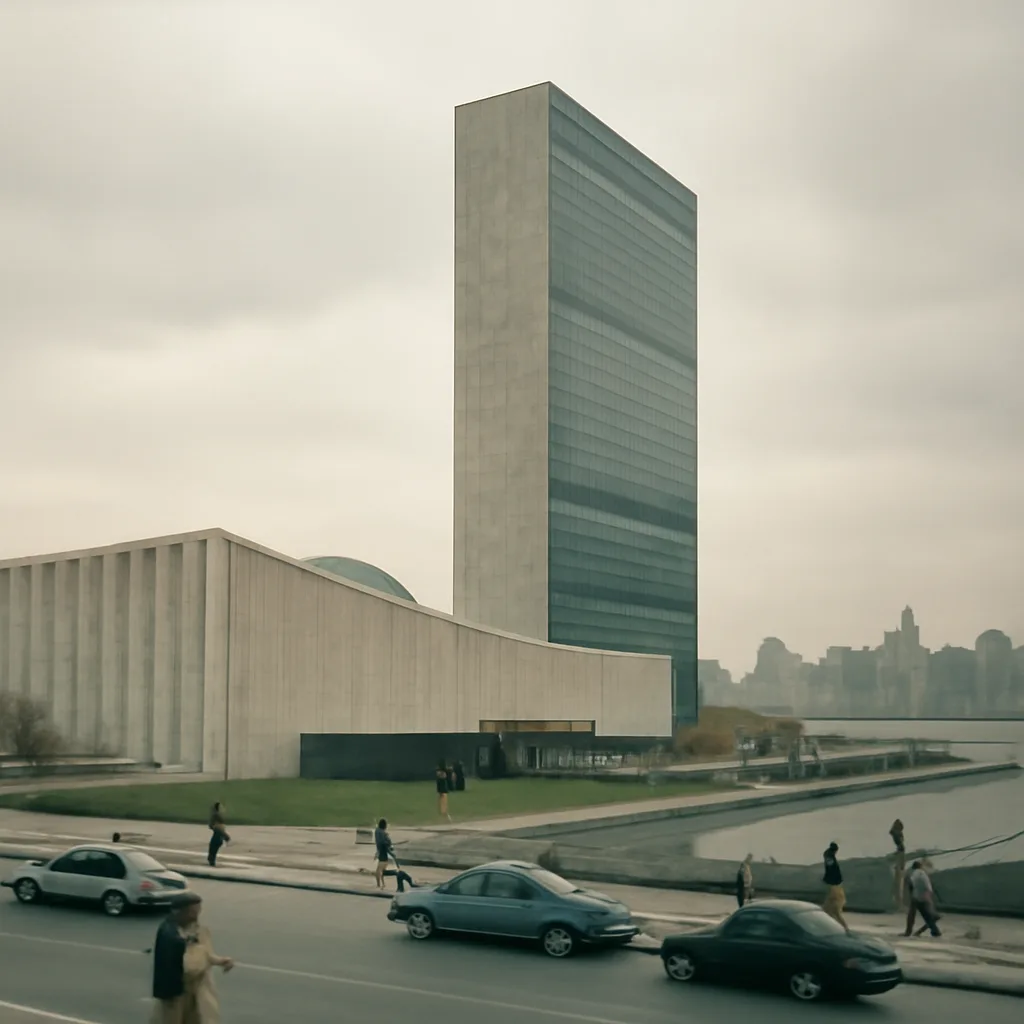
On September 21, 1957, the United Nations officially dedicated its completed headquarters complex on Manhattan's East River, marking the culmination of a decade of planning and construction for the international organization's permanent home in New York City.
Yeltsin Orders Shelling of Moscow Parliament in 1993 Constitutional Crisis
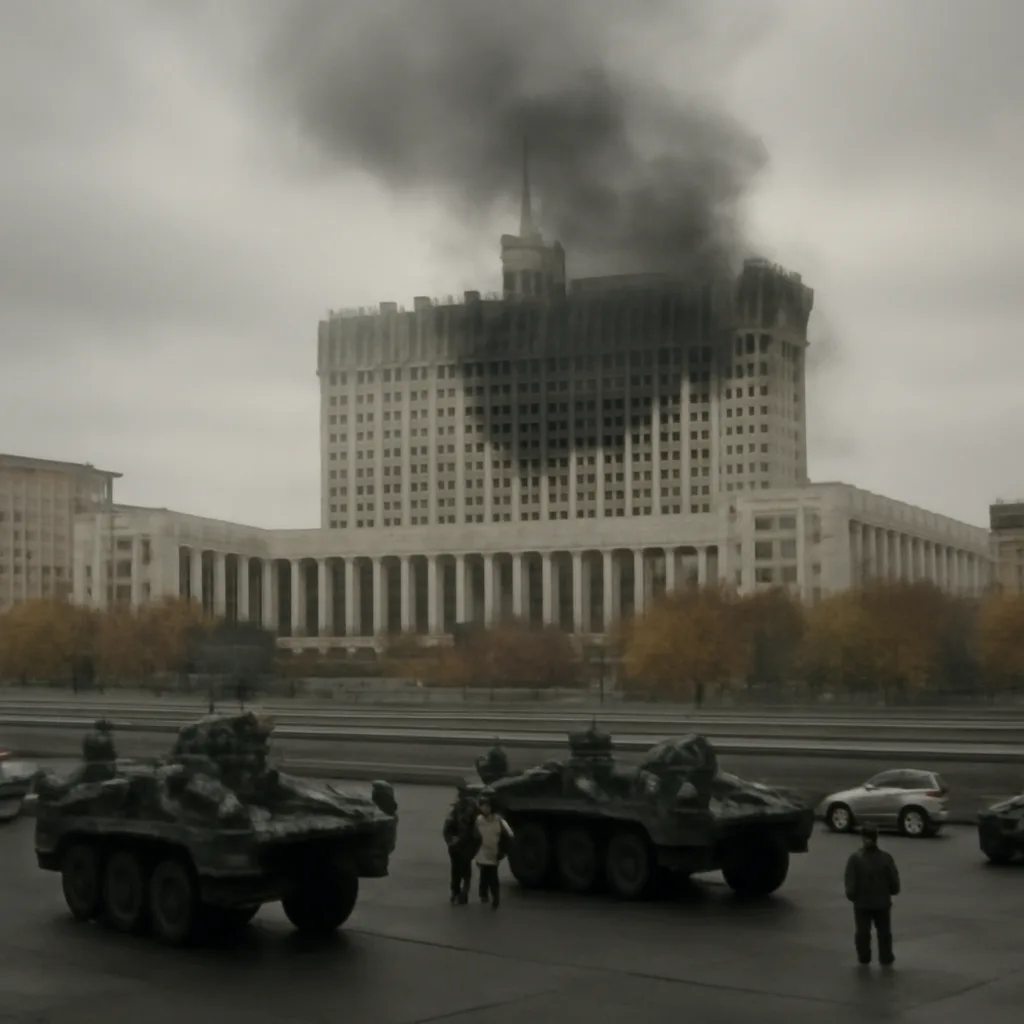
On September 21, 1993, Russian President Boris Yeltsin ordered the shelling of the Russian White House (parliament building) after a standoff with hard-line legislators during a constitutional crisis that escalated into armed confrontation and deaths in central Moscow.