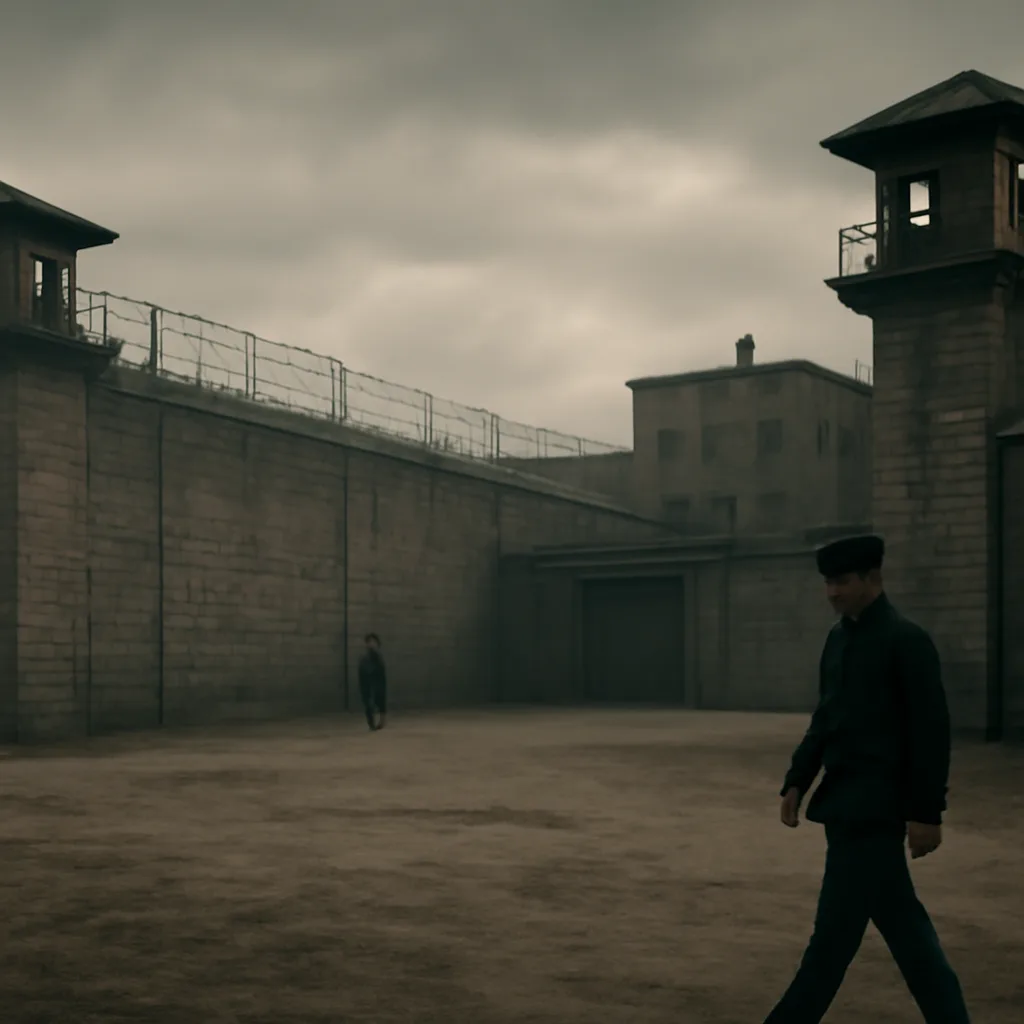
1934 Prison Uprising at Federal Penitentiary Ignites National Debate
On June 21, 1934, a major disturbance at a federal penitentiary—later characterized as one of the first modern U.S. prison riots—forced public attention on conditions, discipline and federal custody, prompting national debate over prison reform and law enforcement responses.
On June 21, 1934, a violent disturbance erupted at a federal penitentiary that would become a focal point in national discussions about incarceration, discipline and reform. The incident occurred during a period when U.S. prisons were transitioning from localized, state-run institutions toward more centralized federal custody for certain inmates, and amid widespread public concern about crime, organized gangs and the Great Depression's social strains.
Context and conditions
By the early 1930s, overcrowding, harsh disciplinary practices and minimal oversight were widely reported across American prisons. Many institutions relied on rigid regimens, labor details and strict silence rules. Federal penitentiaries, designed to hold long-term and high-profile offenders, operated under overcrowded and often punitive conditions that critics argued bred violence and despair. Press coverage and reformers’ accounts from the era documented beatings, poor sanitation and inadequate medical care in many facilities, creating a climate in which disturbances could ignite quickly.
The disturbance
On June 21, 1934, prisoners at a federal penitentiary engaged in coordinated and violent resistance against guards and prison authorities. Exact details of the incident vary by contemporary accounts: reports describe armed prisoners seizing parts of the facility, hostaging staff, and engaging in firefights with responding officers. The confrontation escalated over several hours and resulted in multiple deaths and injuries among inmates and prison personnel. Authorities ultimately retook control of the facility through armed force and negotiated surrenders in some areas.
Immediate aftermath and public reaction
News of the uprising spread rapidly, generating intense public interest and debate. Newspapers carried dramatic headlines and firsthand reports from correspondents, while public officials sought to defend actions taken to restore order. The violence prompted immediate investigations by federal and state authorities. Families of victims, reform advocates and civic groups demanded inquiries into the causes of the disturbance and accountability for any abuses that may have provoked it.
National debate and policy impact
The incident intensified scrutiny of prison conditions, disciplinary regimes and the use of force by corrections officials. Reformers used the uprising to call for improved oversight, better medical and mental health care, reduced overcrowding, and systematic changes in inmate classification and rehabilitation programs. Law-and-order advocates emphasized the need for stricter security measures and firmer control of violent offenders. Congress and federal agencies reviewed penitentiary policies, and the episode contributed to longer-term discussions that eventually influenced changes in administration, inmate classification and the professionalization of corrections work.
Historical significance
Historians view the 1934 disturbance as an important early example of the modern prison riot in the United States because it combined organized inmate resistance, substantial media coverage, and a consequential policy debate. While not the only prison disturbance of the era, its scale and the national attention it drew helped catalyze debates that shaped mid-20th-century corrections policy. The event highlighted tensions between punitive and rehabilitative approaches to incarceration and underscored the political consequences of prison management choices.
Sources and limitations
Contemporary newspaper accounts, official investigation reports and later scholarly studies provide the basis for our understanding of the June 21, 1934, disturbance. Precise casualty figures and some operational details differ among sources, and certain first-hand accounts conflict—common issues in chaotic, violent events. Where accounts disagree, historians note discrepancies and rely on corroborated records, but absolute certainty about some specifics remains elusive.
Legacy
The uprising contributed to growing public awareness that prison policy could have broad social and political ramifications. Debates sparked in 1934 reverberated through subsequent decades of corrections reform, influencing how lawmakers, administrators and the public thought about violence, punishment and the purpose of incarceration in American society.