
← Back
06/21/1963 • 4 views

Alcatraz Closes: Federal Penitentiary Shuts Down Citing Unsustainable Costs
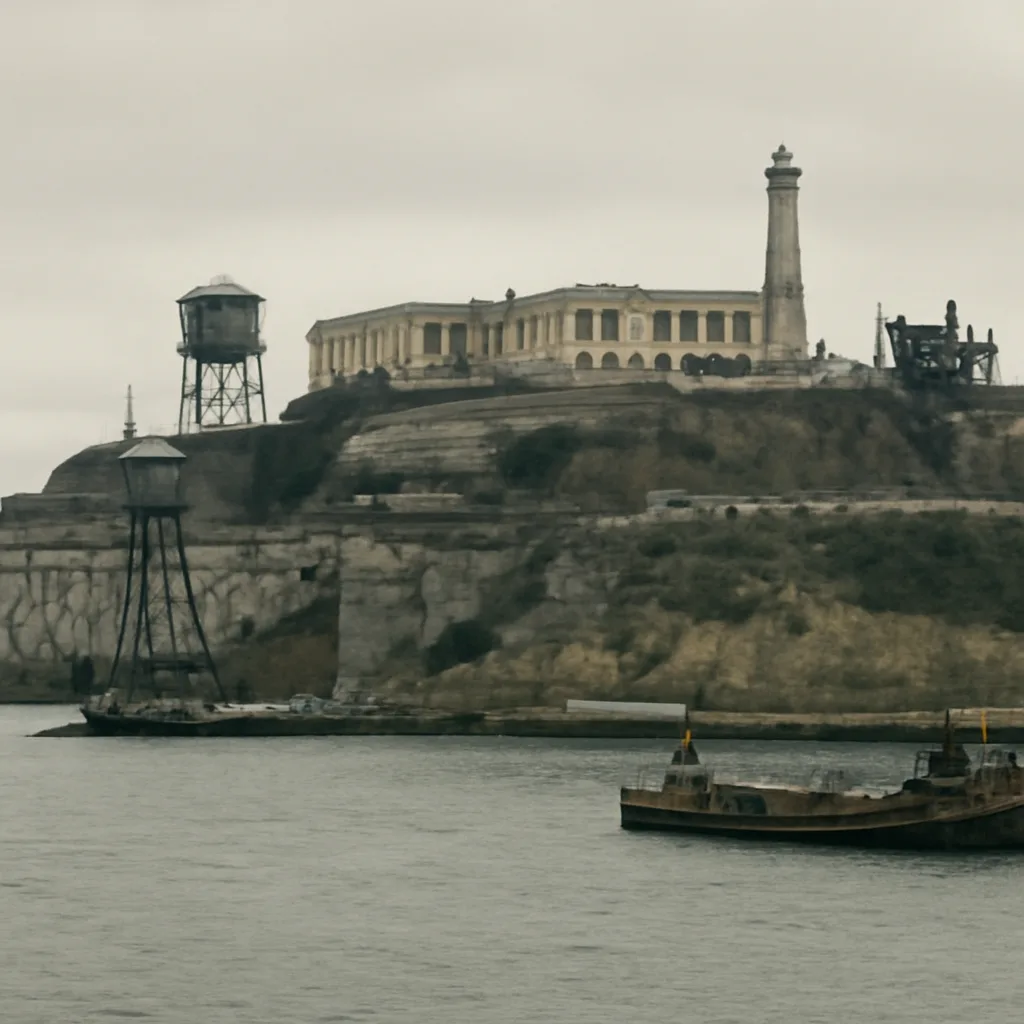
Alcatraz Island in San Francisco Bay, showing the vacant federal penitentiary buildings and surrounding waters, circa early 1960s.

On June 21, 1963, the U.S. Department of Justice closed Alcatraz Federal Penitentiary, citing escalating maintenance and operating costs tied to the island’s exposed location and aging facilities.


On June 21, 1963, the U.S. Department of Justice officially closed Alcatraz Federal Penitentiary, ending nearly three decades of continuous operation as the nation’s most secure federal prison. Opened in 1934 on Alcatraz Island in San Francisco Bay, the facility had housed high-profile federal inmates and served as a symbol of maximum-security incarceration. By the early 1960s officials concluded that continuing to operate the island penitentiary was no longer economically viable.

Primary reasons for the closure were practical and financial. Alcatraz’s exposed location subjected buildings and infrastructure to salt air, strong winds, and storms, accelerating corrosion and decay. The island’s water, power and supply needs required costly logistics: water had to be distilled or barged in; fuel, food and other provisions were transported by boat; and staff commuting posed additional expenses and complications. Maintenance of aging buildings, many of which dated to the 19th century and earlier military use, required extensive repairs. The Justice Department determined that retrofitting or rebuilding the facility to meet modern standards would be prohibitively expensive compared with relocating inmates to mainland institutions.

Operational costs were compounded by the penitentiary’s role and reputation. Alcatraz was designed and run as a maximum-security prison for inmates deemed particularly dangerous or escape-prone; this required stringent security staffing and specialized infrastructure. Although escapes were rare and most attempts failed, the ongoing need for heightened security contributed to higher staffing and oversight costs relative to other federal prisons.

The decision to close Alcatraz reflected broader shifts in federal corrections policy and resource allocation during the period. By 1963, the Federal Bureau of Prisons and the Department of Justice were assessing facility conditions nationwide and prioritizing investments that offered better economies of scale and modern amenities. Transferring Alcatraz inmates to mainland institutions allowed the Bureau to consolidate resources into facilities easier to maintain and less vulnerable to environmental damage.

Following the closure announcement, remaining inmates and staff were transferred to other federal prisons. The island’s federal property status persisted, but the prison buildings were left vacant. Alcatraz’s closure set the stage for subsequent decades of alternate uses and preservation debates, including activist occupation by Native American groups in 1969–1971 and later development as a National Historic Landmark and popular public museum under the National Park Service.

Historical records from the Department of Justice and Bureau of Prisons note that cost and infrastructure concerns were decisive factors in the 1963 closure. While the island’s iconic status and notoriety have kept public attention on Alcatraz ever since, contemporary accounts and internal reports emphasize the pragmatic fiscal and logistical rationale behind the decision rather than a single dramatic incident.

Alcatraz’s closure marked the end of an era for federal maximum-security incarceration on the island. The site’s subsequent preservation and interpretation have focused on its layered history—from military fortification to federal penitentiary to cultural landmark—while acknowledging that the immediate impetus for the 1963 shutdown was the unsustainable expense of operating an aging prison in a harsh maritime environment.

Share this

Email Share on X Facebook Reddit

Did this surprise you?