
← Back
06/21/1792 • 4 views

France Moves to End Monarchy as Revolution Escalates, June 1792
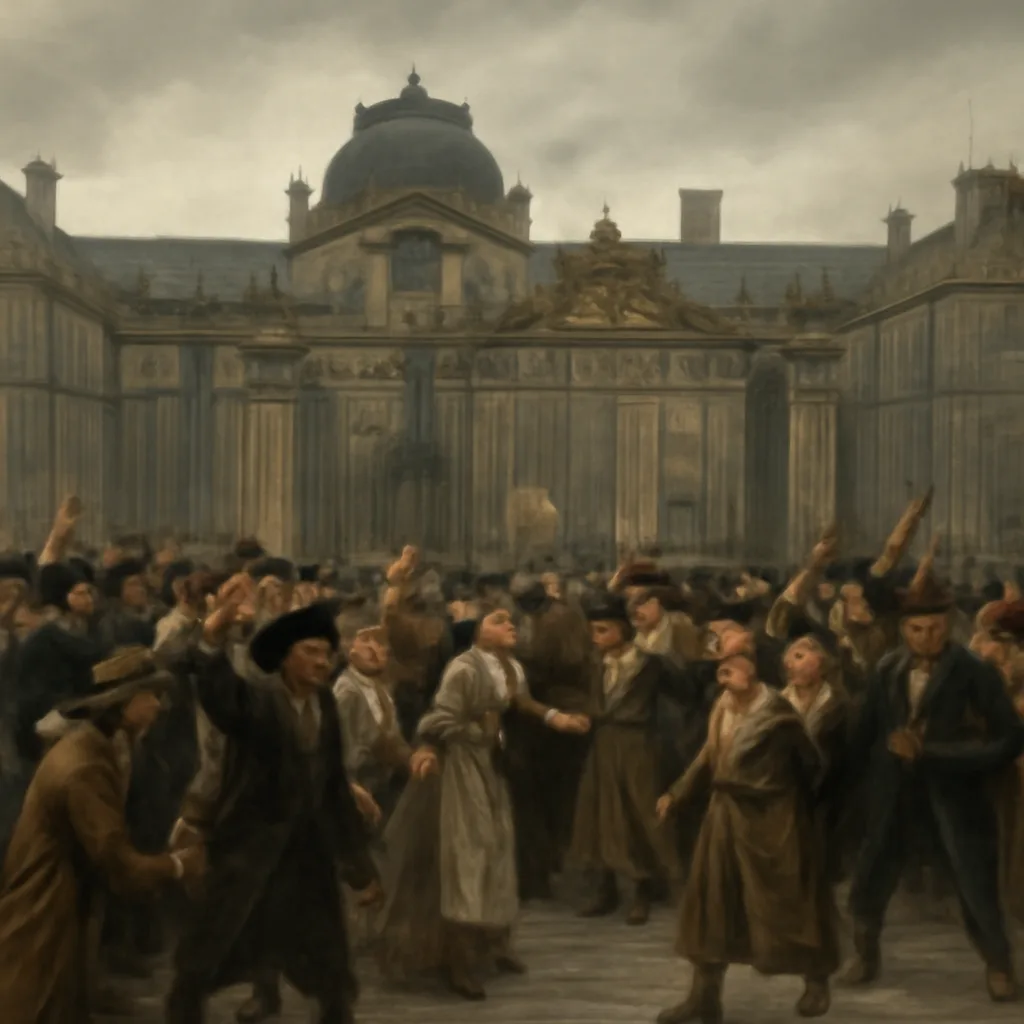
Crowd confronting the royal residence at the Tuileries Palace in June 1792, with revolutionary banners and armed citizens in late 18th-century dress outside the palace gates.

On 21 June 1792 revolutionary pressure and political measures effectively dismantled royal authority in France, marking a decisive step toward abolition of the monarchy amid escalating conflict and popular unrest.


By June 1792 France was deep in revolutionary upheaval that had steadily eroded the authority of King Louis XVI and his government. The event dated 21 June 1792 is best understood as one of a series of actions and incidents in which the monarchy’s effective power was dismantled rather than as a single legal abolition on that exact day. Tensions between the king, the National Convention’s predecessors (notably the Legislative Assembly), radical popular groups, and foreign enemies had produced a climate in which royal prerogatives were routinely challenged and curtailed.

In the months and years before June 1792, the Revolution had already transformed political life: the ancien régime’s institutions were replaced, feudal privileges abolished (1789–1790), the National Assembly produced a constitution (1791) that converted the king into a constitutional monarch, and political clubs and popular insurrections increasingly constrained formal authorities. However, Louis XVI’s attempted flight in 1791, his perceived resistance to revolutionary reforms, and his secret dealings with foreign powers undermined public trust and parliamentary confidence in the crown.

June 1792 saw acute crises that accelerated the monarchy’s decline. France faced military setbacks against European coalitions alarmed by the Revolution. Revolutionary leaders and sections of the Parisian populace feared counter-revolution and blamed the king for undermining the national cause. Incidents such as the provocation over the king’s vetoes and the dismissal of ministers seen as sympathetic to revolutionary aims inflamed republican sentiment. On 20–21 June 1792, demonstrators entered the Tuileries Palace and confronted Louis XVI; they affixed a petition to the king’s carriage and demanded action. Though the king remained physically in place and retained the title of king for months afterward, these actions publicly stripped him of effective protection and signaled that popular sovereignty had trumped royal authority.

The period following June saw further decisive developments: the insurrection of 10 August 1792 led to the suspension of the king and the arrest of the royal family, and the National Convention (elected later in 1792) ultimately abolished the monarchy and declared the First French Republic on 21 September 1792. Louis XVI was tried and executed in January 1793. Historians therefore treat June 21, 1792, not as the formal legal end of monarchy but as a key moment in the sequence of events that rendered the monarchy powerless and paved the way for its abolition. Different sources vary in emphasis—some highlight the significance of the Tuileries confrontation that day, while others stress the later insurrection and the Convention’s formal acts.

In short, 21 June 1792 represents an important turning point when popular action and political measures made the monarchy’s survival increasingly untenable; the legal and institutional end came later that year with the Convention’s proclamation of the Republic. This distinction—between the collapse of effective royal authority and the formal abolition of the monarchy—is central to accurate accounts of the Revolution.

Selected further reading (well-known works; not exhaustive): Timothy Tackett, The Coming of the Terror; Simon Schama, Citizens; Lynn Hunt, Politics, Culture, and Class in the French Revolution. These works provide more detailed chronologies and analyses of the revolutionary months of 1792 and the interplay of popular action, parliamentary politics, and foreign war.

Share this

Email Share on X Facebook Reddit

Did this surprise you?