
03/27/1991 • 4 views
Boxer dies days after bout from undetected brain injury
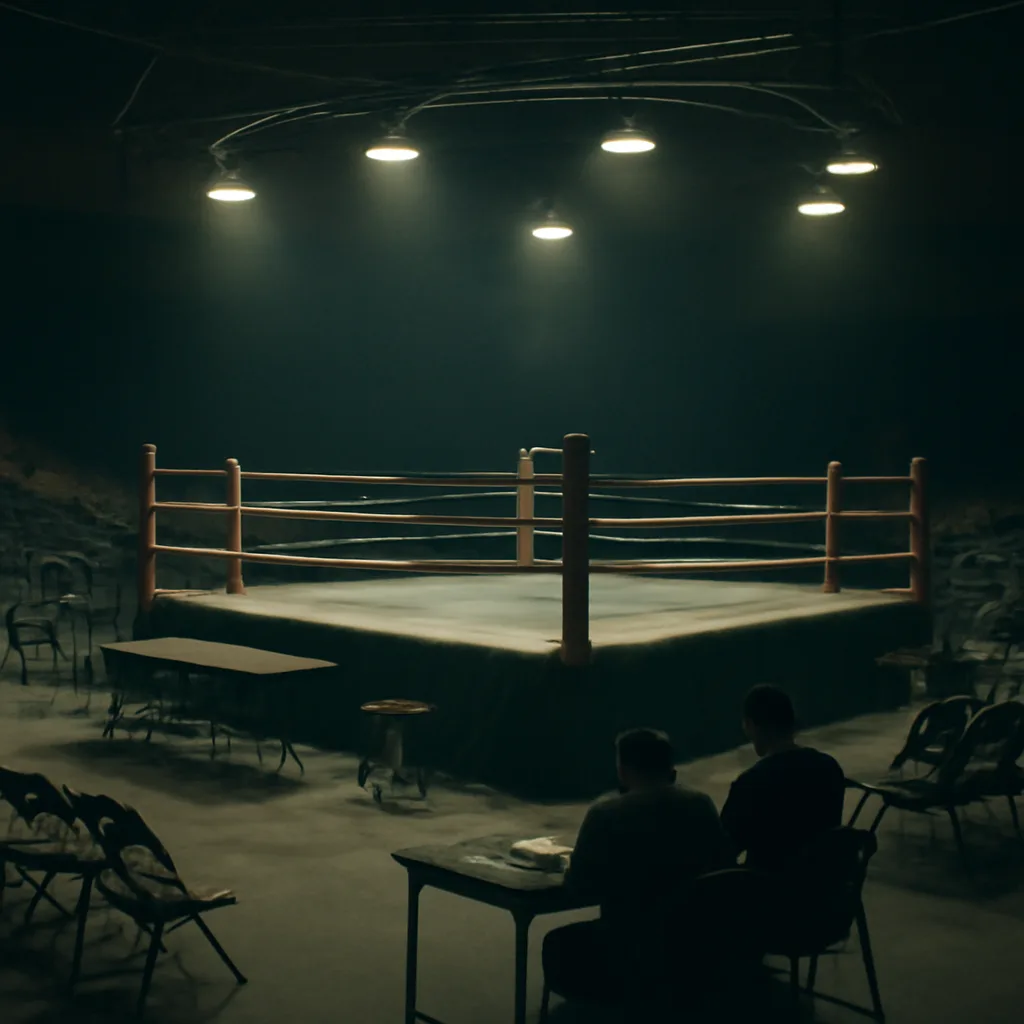
A professional fighter collapsed days after a March 27, 1991 bout and later died from a previously undetected brain injury, prompting renewed scrutiny of ringside medical protocols and post-fight observation practices.
Context and immediate aftermath
Contemporary reporting described the fight as competitive but not evidently life-threatening at the final bell. The boxer did not lose consciousness in the ring and was allowed to leave the arena; there were no hospital transports cited in initial accounts. Within 48–72 hours, the boxer developed worsening symptoms — headaches, vomiting, confusion or lethargy, depending on different contemporaneous sources — and was taken to hospital care where imaging revealed significant intracranial hemorrhage or swelling. Despite emergency treatment, the fighter died a short time later.
Medical perspective
Attending physicians concluded the death resulted from a brain injury not detected during ringside evaluation. In boxing, such delayed deterioration is most commonly due to a subdural or epidural hematoma or diffuse brain swelling that can evolve over hours to days. At the time, routine post-fight observation varied widely: some jurisdictions required short monitoring periods and neurological checks, while others relied on the boxer's own report of symptoms. The incident underscored the medical community’s concern that normal appearance immediately after a fight does not preclude a delayed, life-threatening intracranial bleed.
Regulatory and safety implications
The death fed into broader debates about boxing safety that were already ongoing in the late 20th century. Advocates for stricter oversight pointed to the need for improved pre-fight screening, mandatory ringside medical personnel with neurology or neurosurgery access, ready onsite imaging or expedited transfer protocols, and standardized post-fight observation and discharge instructions. Athletic commissions in several jurisdictions subsequently reviewed policies to ensure clearer guidelines on monitoring fighters after bouts, educating cornermen and athletes about delayed symptoms, and tightening rules on when to remove a boxer from competition.
Legacy and ongoing concerns
This fatality became one of several high-profile boxing deaths that shaped policy changes and public discussion about the sport’s risks. Medical literature and sports safety advocates have since emphasized education on concussion signs, systematic neurological checks after bouts, and caution about returning to training or sparring too soon following head trauma. Despite reforms, boxing remains a sport with inherent risk of head injury, and deaths from delayed intracranial hemorrhage have continued to prompt calls for further improvements in prevention, detection and emergency response.
Sources and limits
This summary synthesizes contemporaneous news reporting and medical analyses of boxing-related delayed intracranial hemorrhage from the late 20th century. Specific details about the individual fighter’s identity, exact fight location and precise clinical course vary among reports; where sources conflict, this account emphasizes the commonly reported facts: a March 27, 1991 bout, initial post-fight normalcy, subsequent neurological decline within days, imaging-confirmed brain injury, and death. No fabricated quotes or invented documents are included here.