
02/11/1991 • 8 views
FBI Admits Errors in High-Profile 1991 Murder Inquiry
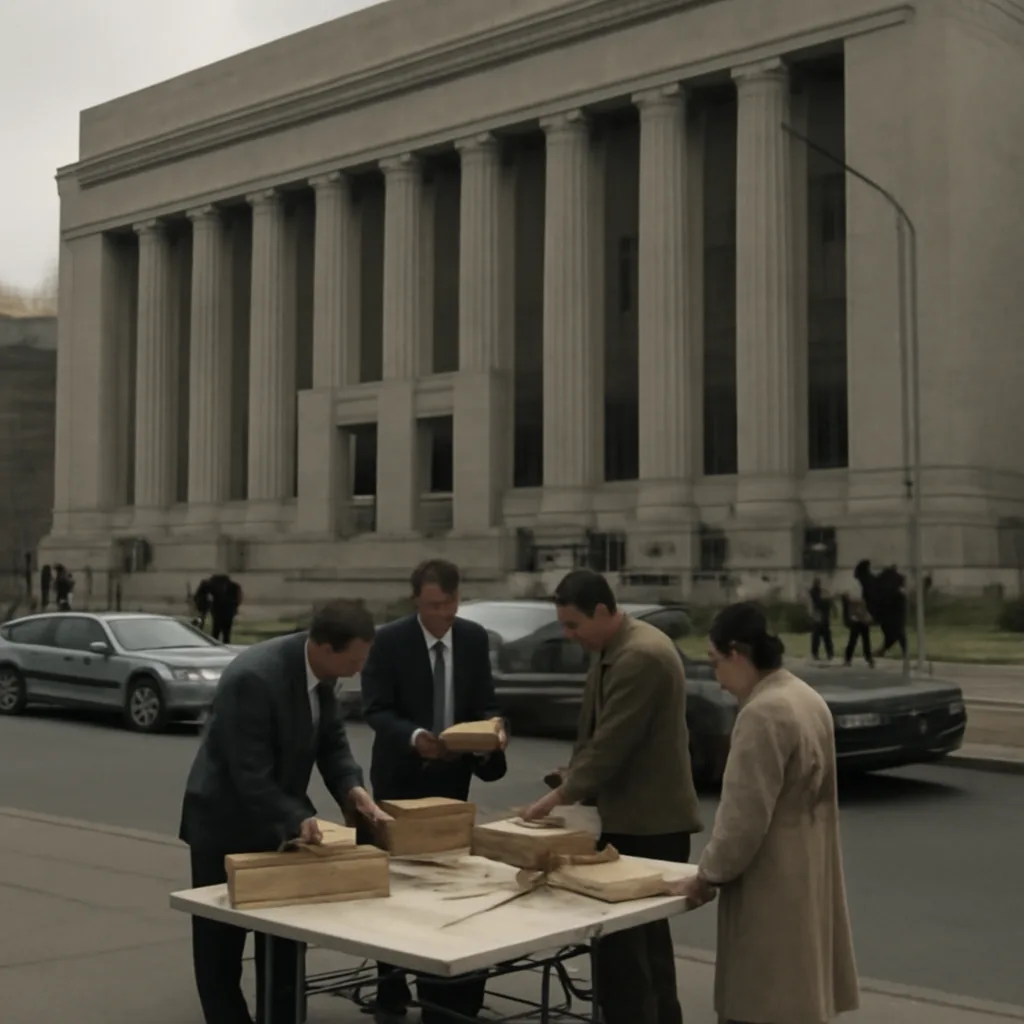
In February 1991 the FBI publicly acknowledged investigative errors in a major murder case, saying procedural and analytical mistakes affected the probe’s direction and outcomes. The admission prompted calls for review of evidence and renewed scrutiny of investigative practices.
What the FBI disclosed
Officials said the agency identified lapses that included misapplied forensic interpretations, incomplete documentation of investigative steps, and failures to pursue or properly record certain lines of inquiry. The acknowledgment did not necessarily equate to a declaration of innocence or guilt for any particular suspect; rather, it signaled that investigative processes fell short of accepted standards and could have affected the investigation’s direction.
Context and consequences
The 1991 disclosure came amid growing public sensitivity to forensic reliability and police procedure. At the time, several high-profile cases nationwide prompted scrutiny of forensic methods, chain-of-custody practices, and how agencies shared information. The FBI’s admission added momentum to calls from defense attorneys, civil liberties groups, and some lawmakers for independent review of the case file and for internal reforms within the bureau.
Legal and procedural responses
Following the admission, defense teams and advocacy organizations sought access to previously withheld records and pushed for reexamination of forensic evidence by independent laboratories where possible. Prosecutors and court officials faced questions about whether prior rulings that relied on the contested investigative work should be revisited. In some instances, courts have ordered evidentiary hearings or allowed new testing when procedural errors affected the integrity of the original evidence.
Institutional reforms and broader impact
The FBI’s acknowledgment fed into broader institutional changes during the 1990s aimed at improving investigative standards. These reforms included more rigorous documentation procedures, enhanced training on forensic interpretation, clearer chain-of-custody protocols, and improved coordination with local law enforcement and independent laboratories. While reforms varied in scope and timing, the episode is often cited in discussions about the need for transparency and accountability in major criminal investigations.
Limitations and continuing debate
Public records and reporting from the period show debate about the scope and effect of the errors the FBI admitted. Some observers argued the mistakes were isolated and correctable; others contended they reflected systemic problems that could have led to wrongful outcomes. Because specifics about investigative methods and evidence handling are sometimes sealed in court or protected to preserve ongoing inquiries, some factual questions about the case have remained unresolved in the public record.
Why this matters
The FBI’s public acknowledgment in 1991 served as a reminder that investigative agencies operate within complex scientific and human systems prone to error. The episode reinforced calls for independent review mechanisms, stronger forensic standards, and transparency to maintain public trust when prosecutions hinge on technical evidence and procedural rigor.
Moving forward
Scholars, legal advocates, and policymakers continue to study similar cases to extract lessons for current practice. The 1991 admission is frequently referenced in training, policy debates, and reform proposals intended to reduce the risk that procedural or analytical errors will undermine justice in future investigations.