
← Back
08/18/1987 • 4 views

Fire on London Underground in August 1987 Kills Dozens
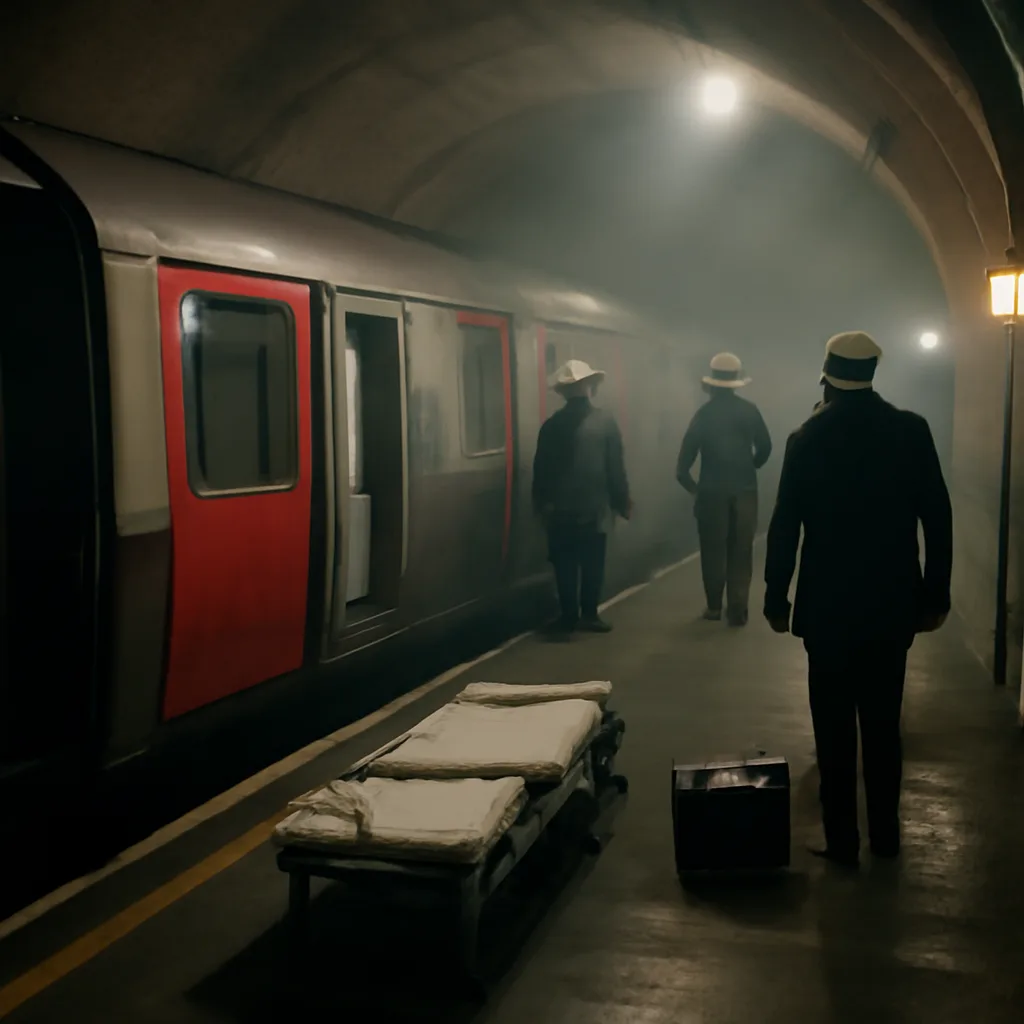
Underground railway tunnel with emergency workers and smoke damage; stretcher and equipment on platform, emergency lighting and debris visible.

On 18 August 1987 a fire on the London Underground killed dozens of people and injured many more. The blaze prompted widespread investigation into safety procedures, emergency response, and tunnel fire risks across the network.


On 18 August 1987 a major fire on the London Underground resulted in a large number of fatalities and numerous injuries. The incident occurred on a section of the network that was operating under complex conditions for underground rail transport in the late 20th century. The blaze highlighted vulnerabilities in evacuation procedures, emergency communications and tunnel fire management, and it prompted investigations and calls for safety reforms across the system.

Context and sequence
Contemporary reports placed the event in mid-August 1987. The fire developed within tunnel infrastructure and spread in circumstances that made rapid evacuation difficult for passengers and staff. Emergency services were mobilised; firefighters, ambulance crews and police worked at the scene and with hospital services to treat survivors and recover victims. The exact origin and progression of the fire were subjects of subsequent inquiry and press coverage.

Casualties and impact
Public accounts described the loss of dozens of lives and many injuries, with survivors and witnesses recounting scenes of smoke-filled tunnels and confusion during evacuation. The human toll prompted grief across London and intensified scrutiny of underground safety standards. Hospitals treated burn and smoke-inhalation victims, while coroners and investigators later examined the causes of death and the sequence of events.

Investigations and responses
Following the fire, formal inquiries and investigations examined technical causes, signage and lighting in tunnels, the condition and operation of trains and braking systems, staff training for emergency situations, and the effectiveness of communications between control rooms and crews. Recommendations from these inquiries influenced later safety guidance for underground railways in the United Kingdom, including improved emergency lighting, clearer evacuation routes, better staff training in managing smoke and fire incidents, and upgrades to tunnel materials and ventilation.

Wider implications
The August 1987 fire contributed to an evolving understanding of the risks posed by fires in enclosed rail environments. It also affected public confidence in underground travel for a time and added urgency to national conversations about transport safety. Subsequent regulatory changes and engineering modifications on the London Underground and other urban rail networks sought to reduce the likelihood of similar tragedies and to improve outcomes if fires do occur.

Uncertainties and sources
Contemporary newspaper coverage, emergency-service logs and later transport-safety reviews provide the basis for accounts of the August 18 event, but some specific technical details and attributions of cause were contested or remained under review in subsequent reporting. Where precise details remain disputed in historic records—such as the definitive ignition source or exact timeline in some tunnel sections—this summary reflects the consensus that a severe tunnel fire on 18 August 1987 caused dozens of deaths and significant injuries, prompting investigations and safety reforms.

Share this

Email Share on X Facebook Reddit

Did this surprise you?