
← Back
10/15/1970 • 4 views

France Conducts Nuclear Test in South Pacific, October 1970
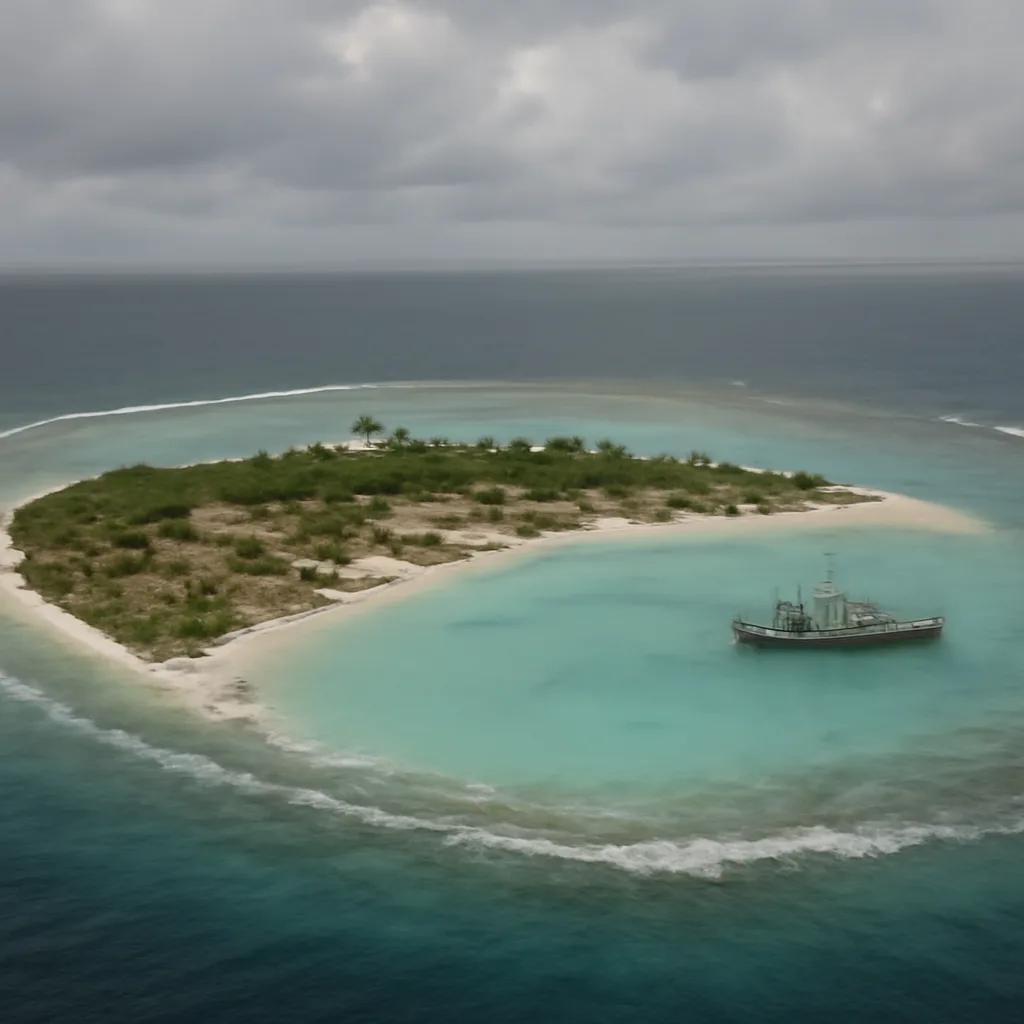
Aerial view of a low-lying coral atoll in the South Pacific with surrounding turquoise lagoon and outer reef, showing sparse vegetation and a few small buildings on the shore; cloudy sky overhead.

On 15 October 1970, France carried out a nuclear device detonation in the South Pacific as part of its atmospheric testing program at the Mururoa/Franz Josef atoll complex, drawing regional concern over environmental and health risks.


On 15 October 1970, France detonated a nuclear device in the South Pacific as part of its series of atmospheric tests conducted at the atoll testing sites it controlled. Throughout the 1960s and into the 1970s, France conducted nuclear tests at Mururoa and Fangataufa (part of the Tuamotu Archipelago, often referenced collectively with Franz Josef/Adélie nomenclature in various sources) after moving its program from the Algerian Sahara following Algeria’s independence in 1962.

The 1970 test took place against a backdrop of growing regional and international unease. Neighbouring Pacific island nations, environmental groups, and anti-nuclear activists increasingly protested the health, environmental, and political consequences of atmospheric nuclear detonations. Concerns focused on radioactive fallout, contamination of marine ecosystems, and the long-term habitability of impacted atolls and surrounding waters. Scientific monitoring at the time and in subsequent years sought to measure airborne and oceanic dispersion of radionuclides, though methodologies and reporting standards have varied between governments and researchers.

France defended its testing program as necessary for national security and the development of an independent nuclear deterrent (the Force de Frappe). The French government argued that the remote location and precautions taken limited risks to populated areas. Internationally, the tests strained relations with some Pacific territories and independent states, and contributed to debates leading toward test bans and greater regulation of nuclear testing. Key multilateral outcomes that came later included the Partial Test Ban Treaty of 1963 (which France did not join at that time for atmospheric testing) and, ultimately, broader movements culminating in agreements and moratoria in subsequent decades.

Documentation about specific devices and yields for many French tests of this era was often classified or variably reported. Public records and historical studies indicate that France continued atmospheric testing in the Pacific until it shifted to underground testing in the mid-1970s and later declared a moratorium and cease of tests in the 1990s. The legacy of these tests remains contested: scientific studies, local testimony, and governmental reports have disagreed at times over the scale of environmental and health impacts, the adequacy of compensation, and the transparency of monitoring data.

When recounting the 1970 detonation and related tests, it is important to note disputed or uncertain details. Exact yield figures, precise classification of some test devices, and the full scope of long-term environmental effects have been subjects of differing assessments by national authorities, independent scientists, and regional advocates. Contemporary scholarship often relies on declassified documents, radiological surveys, and oral histories to build a fuller picture, but gaps and conflicting findings persist.

The 15 October 1970 test sits within the broader historical context of Cold War nuclear development, decolonization, and rising transnational environmental activism. It contributed to ongoing diplomatic pressure on nuclear powers and helped galvanize regional calls for protection of Pacific environments and communities. For readers seeking primary-source verification, government archives, contemporaneous news reporting from 1970, declassified defense records, and peer-reviewed environmental studies are the appropriate sources to consult; where those sources conflict, researchers note the areas of uncertainty rather than asserting single definitive conclusions.

Share this

Email Share on X Facebook Reddit

Did this surprise you?