
← Back
02/26/1971 • 5 views

Hearings Open Over Pentagon Papers Disclosure
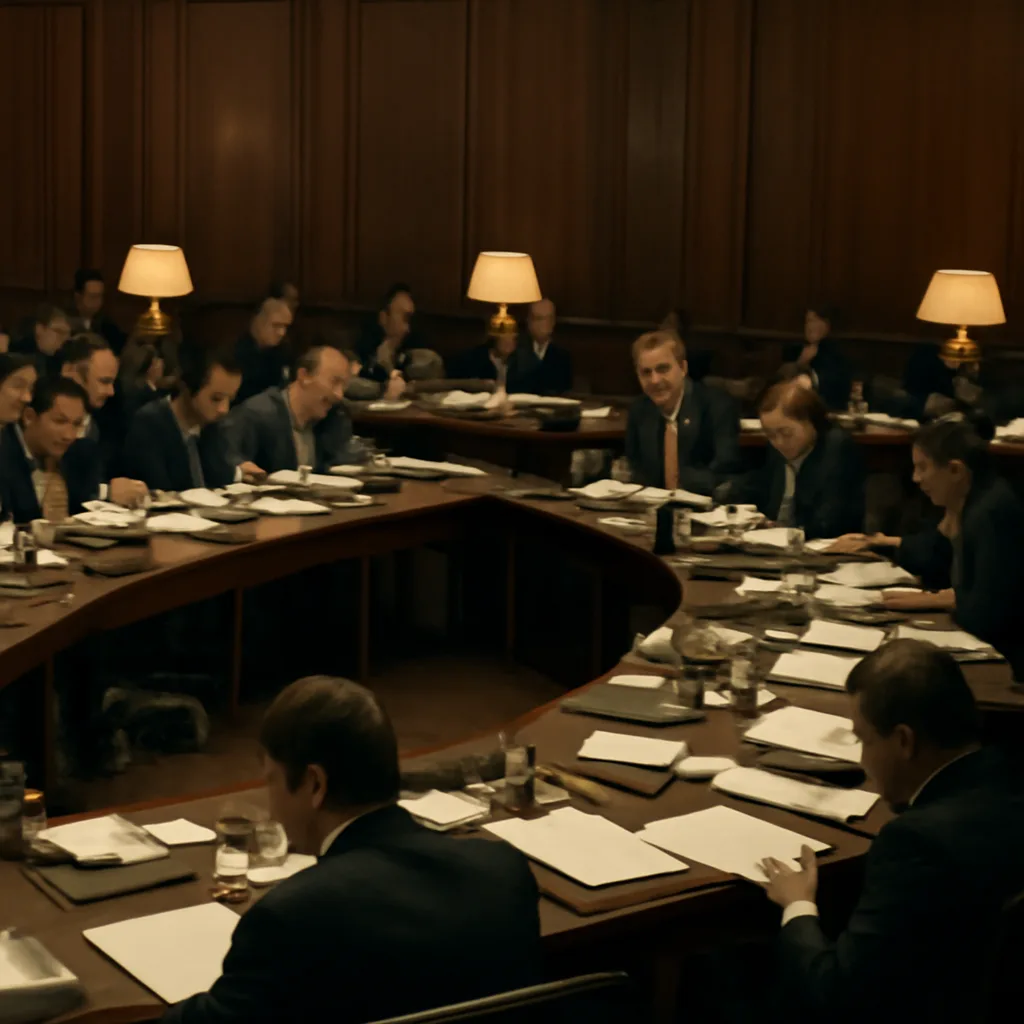
1970s hearing room with microphones, papers, and men in suits seated at long tables; stacks of documents and official folders on the table suggest congressional review of classified material.

On February 26, 1971, congressional hearings convened to examine the classified Pentagon Papers and the government's handling of their publication, spotlighting legal and political conflicts over national security and press freedom.


On February 26, 1971, congressional hearings began in the wake of the publication of the Pentagon Papers — a classified Department of Defense history of U.S. involvement in Vietnam that had been leaked to and published by major newspapers beginning in June 1971. The hearings aimed to probe how the documents were disclosed, to evaluate the balance between national security and freedom of the press, and to consider whether administrative or legislative responses were warranted.

Background
The Pentagon Papers were a multi-volume internal study prepared by the Department of Defense’s History Office, covering U.S. political-military involvement in Vietnam from World War II through 1968. Portions of the study were provided to the press by Daniel Ellsberg, a former Defense Department analyst, who believed the public needed to see the documents. Their publication by newspapers, most prominently The New York Times and The Washington Post, prompted immediate legal and political controversy, including government attempts to enjoin further publication.

Focus and participants
The hearings convened lawmakers, executive branch officials, and legal experts to examine several questions: how the leak occurred and who was responsible; whether access controls and classification practices within the Defense Department were adequate; whether government officials had acted appropriately in seeking injunctions against newspapers; and what legal or policy changes might prevent similar disclosures or protect press freedoms.

Committee deliberations addressed both criminal and administrative dimensions. Members reviewed internal memos and communications about classification, discussed possible disciplinary measures for those who leaked classified material, and considered proposals to tighten controls over sensitive government records. Witnesses included Defense Department personnel familiar with the study’s preparation and security, Justice Department lawyers who had weighed injunctions and prosecutions, and constitutional scholars who explained First Amendment implications. Testimony and documentary evidence highlighted tensions between secrecy for operational or diplomatic reasons and democratic demands for accountability.

Legal and constitutional issues
A central legal issue during the hearings was the extent to which the executive branch could lawfully restrict publication of classified material and the remedies available when leaks occurred. The prior months’ litigation culminating in New York Times Co. v. United States (decided by the Supreme Court in June 1971) underscored the challenge: when the government seeks prior restraint, courts must carefully weigh asserted harms against the press’s constitutional protections. Congressional members debated whether statutory revisions to classification or criminal-leak statutes were needed, and some raised concerns about overly broad secrecy regimes that could shield governmental wrongdoing from oversight.

Political consequences
The hearings occurred against a backdrop of growing public skepticism about the Vietnam War and about government transparency. Revelations in the Pentagon Papers — showing, among other things, internal doubts and policy choices that were often at odds with public statements — intensified scrutiny of executive decision-making. Congress used the hearings both to gather facts and to signal responsiveness to constituents demanding accountability. The episode contributed to subsequent reforms in classification policy and influenced later debates about whistleblowers and the protections they may or may not receive.

Aftermath and significance
While immediate legislative overhauls were limited, the hearings and surrounding litigation had lasting effects on public discourse and institutional practices: they clarified limits on prior restraint, reinforced press protections in cases involving national security claims, and prompted agencies to reexamine information security procedures. The Pentagon Papers episode remains a defining moment in U.S. debates over secrecy, whistleblowing, and the democratic need for information about war and foreign policy decision-making.

Note on chronology
Although the cited date reflects the start of formal congressional hearings associated with the Pentagon Papers controversy, related legal and public events unfolded across 1971; key court decisions and Congressional activities occurred in subsequent months.

Share this

Email Share on X Facebook Reddit

Did this surprise you?