Jonestown Mass Deaths Result in Over 900 Fatalities
On November 18, 1978, more than 900 members of the Peoples Temple died in Jonestown, Guyana, in a mass act of collective death following orders from the group's leader, Jim Jones. The event remains one of the largest losses of American civilian life in a single non-natural incident.
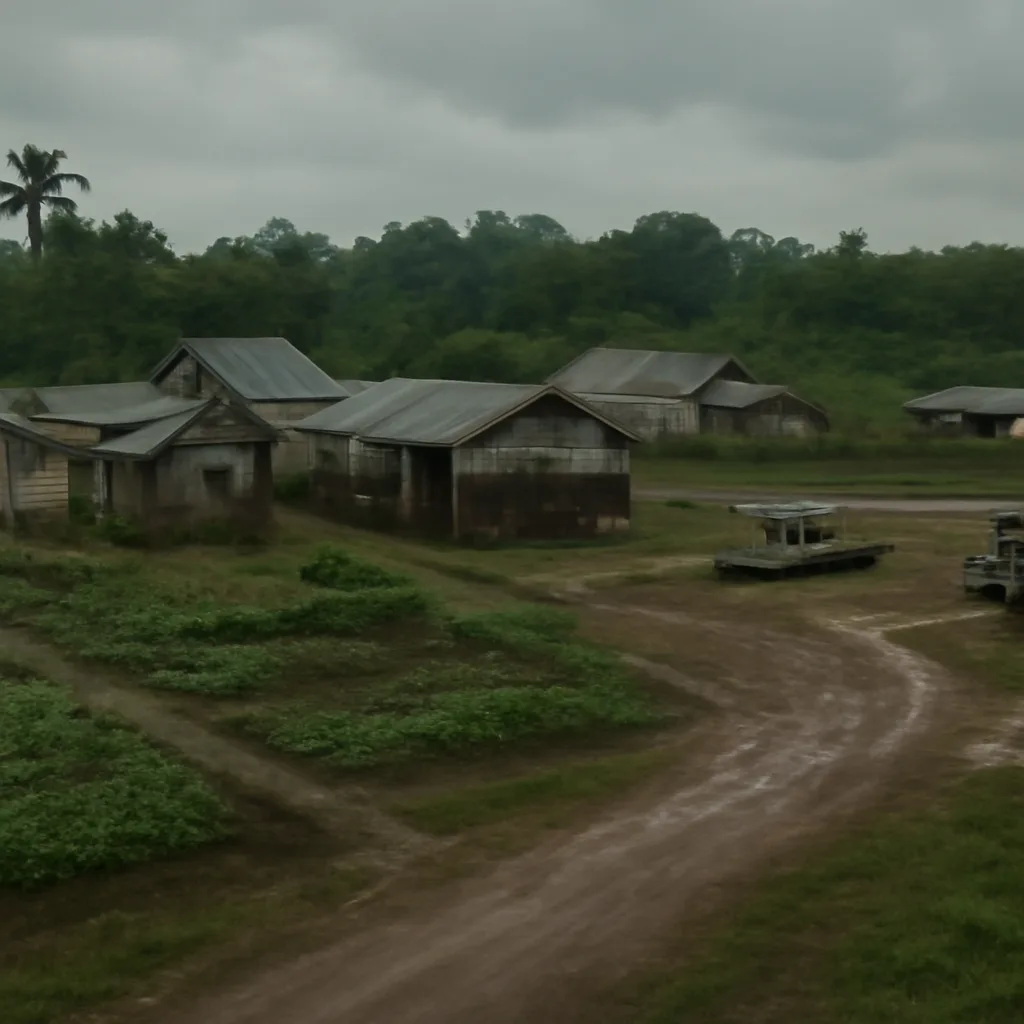
On November 18, 1978, an event in the remote settlement known as Jonestown, in northwestern Guyana, resulted in the deaths of more than 900 people associated with the Peoples Temple, a movement led by Jim Jones. The Peoples Temple began in the United States as a racially integrated religious and social organization with a focus on social justice. Over time Jones relocated many followers to Guyana, establishing the communal settlement of Jonestown in the early 1970s.
In November 1978, concerns about human rights abuses and the welfare of Temple members prompted U.S. Representative Leo Ryan to travel to Guyana with a delegation that included journalists and relatives of Jonestown residents. On November 18, as Ryan and several others were preparing to leave an airstrip near Port Kaituma, members of the Peoples Temple attacked the delegation; Ryan and four others were killed. That same day, at Jonestown, a large-scale act of mass death occurred in which more than 900 adults and children died by ingesting cyanide-laced beverages and other means. Among the dead were U.S. citizens, Guyanese, and citizens of other nationalities.
The events at Jonestown were the culmination of escalating isolation, coercive control, armed guards, and increasingly apocalyptic rhetoric from Jim Jones. Investigations and survivor accounts describe an environment in which many residents felt compelled or coerced into participating, while some were forcibly injected. The phrase “revolutionary suicide,” used by Jones and some followers, framed the mass deaths in political or ideological terms; however, legal and historical analyses emphasize the roles of coercion, intimidation, and lack of free choice for many victims.
The aftermath included the recovery and identification of the deceased, investigations by U.S. and Guyanese authorities, and widespread media coverage that examined how a charismatic leader and closed community contributed to the tragedy. The deaths at Jonestown prompted scrutiny of new religious movements, government oversight of organizations operating abroad, and the responsibilities of governments to protect citizens living in foreign communal settlements.
Estimates of the death toll commonly cited in official reports and historical accounts place the number at 918 people who died in Jonestown, in addition to the five killed at the Port Kaituma airstrip. That figure may vary slightly among sources due to record-keeping and identification challenges. Jim Jones was found dead at the compound from a gunshot wound; circumstances surrounding individual deaths within the settlement have been examined in forensic reports and survivor testimony.
The Jonestown tragedy has had lasting cultural and historical effects. It remains a reference point in discussions about cults, coercive persuasion, the limits of charismatic authority, and the vulnerability of isolated communities. Memorials, scholarly studies, and documentaries have sought to preserve the memory of victims and to analyze the social, psychological, and political dynamics that produced the catastrophe.
Because aspects of the event involve contested testimonies and complex legal and ethical questions, historians and investigators continue to rely on archival records, government reports, forensic evidence, and survivor accounts to build the most reliable understanding possible. The Jonestown killings and mass deaths stand as a somber instance of mass victimization tied to manipulative leadership and social isolation.