
11/11/2003 • 5 views
Man Survives Gunshot Through the Heart After 2003 Incident
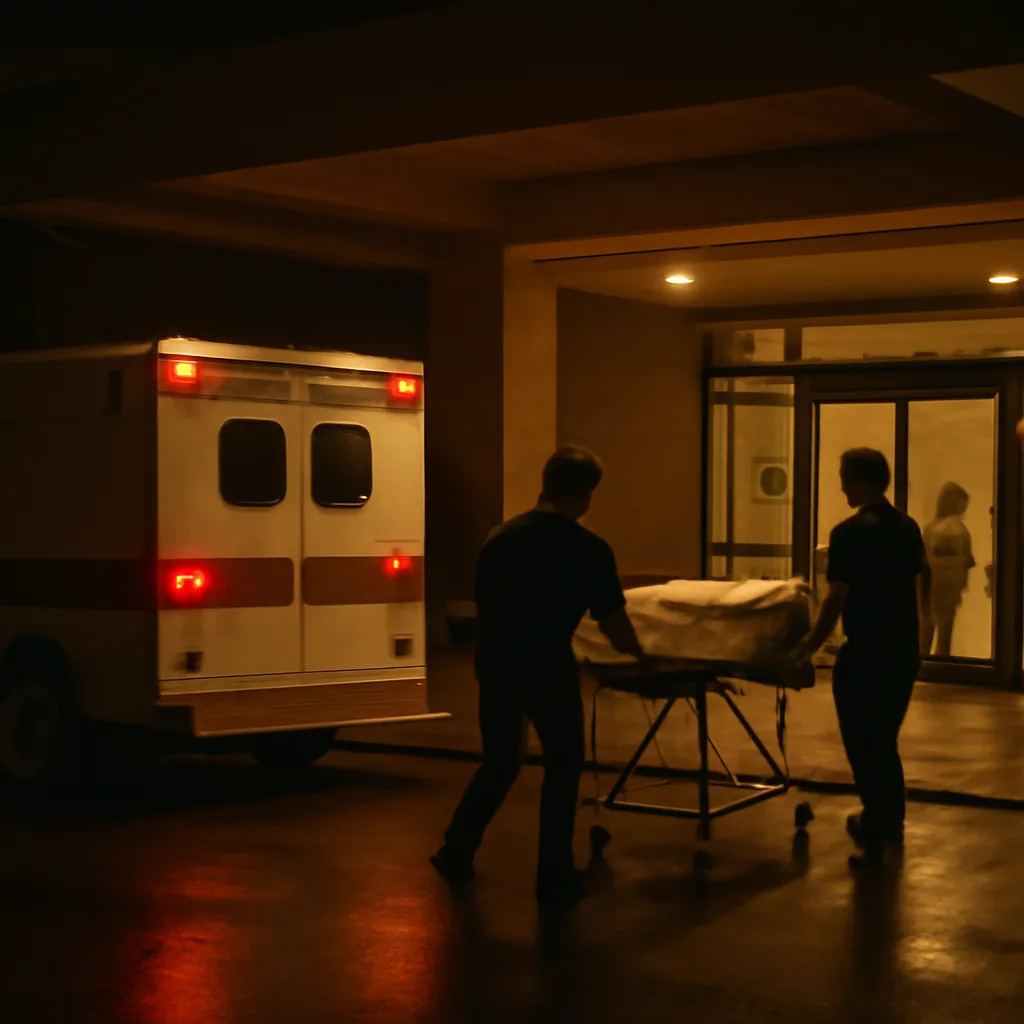
On November 11, 2003, a man survived a gunshot that traversed his chest and passed through his heart, an uncommon medical and forensic outcome that drew attention from clinicians and local authorities.
In such incidents, the wound track and the speed and deformation of the projectile are decisive. A bullet that follows a trajectory that misses major coronary vessels or produces a relatively contained injury to cardiac muscle can, in some circumstances, allow the heart to continue functioning long enough for medical intervention. Rapid transport to a trauma center, control of external bleeding, fluid resuscitation, and prompt imaging and surgical management increase chances of survival. Patients often require emergency thoracotomy or other operative repair and intensive postoperative care.
Survival after cardiac penetration also depends on complications that may follow: pericardial tamponade (accumulation of blood in the sac surrounding the heart), massive hemorrhage, injury to lungs or great vessels, infection, and long-term cardiac dysfunction. Medical reports of nonfatal cardiac gunshot wounds emphasize the importance of tailored surgical approaches, including repair of myocardial lacerations, management of bleeding, and treatment of associated injuries to the chest.
Forensic and emergency medicine analyses of comparable cases note that atypical ballistic behavior — such as a bullet losing velocity after passing through intervening tissues or being a low-velocity projectile — can reduce the immediate destructive effect. However, every case is unique; even when initial resuscitation succeeds, patients face significant risks during recovery and may require long-term follow-up for cardiac function and complications.
Public reporting of this November 11, 2003 incident focused on the extraordinary nature of the survival rather than comprehensive clinical detail. Available public accounts do not provide full medical records or detailed operative reports, so precise information on wound trajectory, surgical procedures performed, and long-term outcome for this individual remain limited in public sources. Medical and forensic literature can place the event in context: while survival after cardiac gunshot wounds is uncommon, it is not unprecedented when rapid and high-quality trauma care is available.
This summary avoids speculative medical specifics about the individual case beyond what is generally known about cardiac gunshot injuries. For readers seeking medical case studies or clinical guidance, peer-reviewed trauma surgery and emergency medicine journals provide documented case reports and reviews that examine mechanisms of injury, surgical techniques, and outcomes in penetrating cardiac trauma.