
← Back
12/26/2003 • 6 views

Massive earthquake devastates Iran, leaving tens of thousands dead
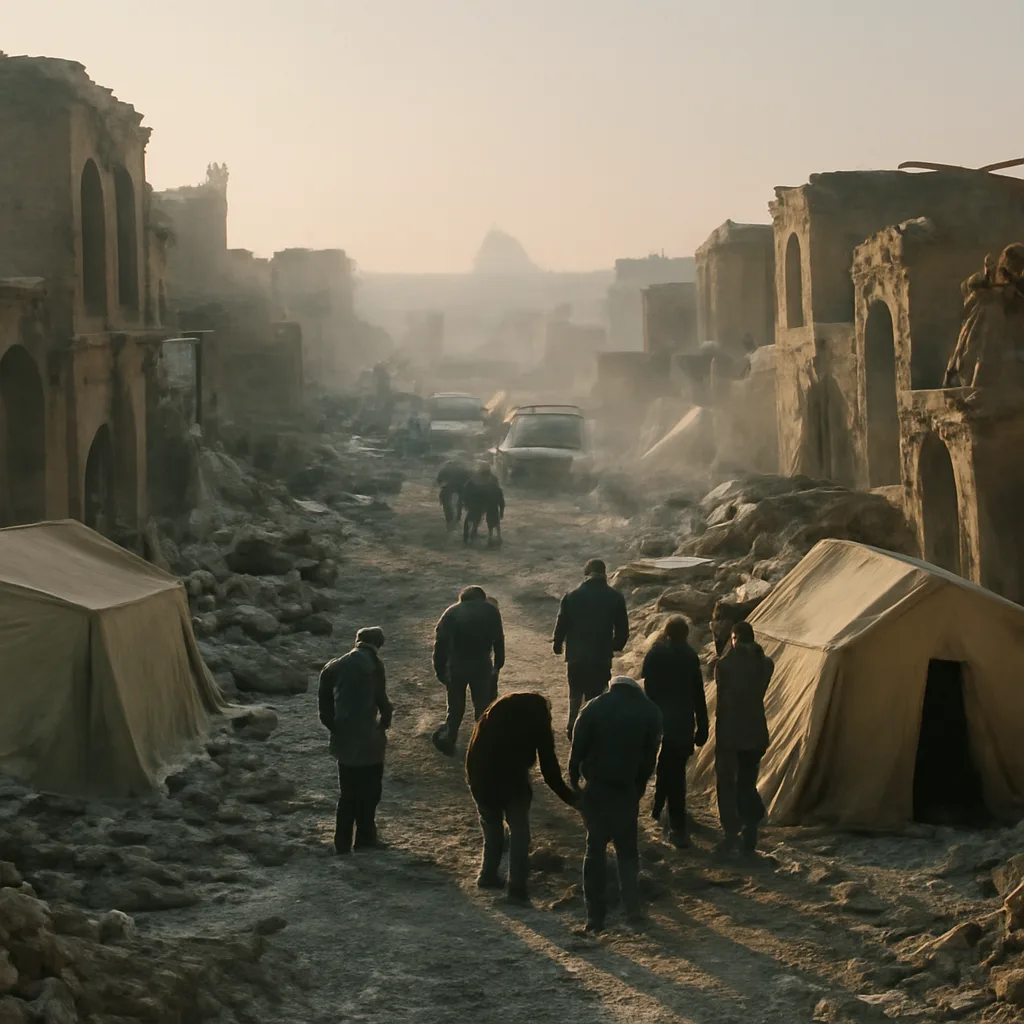
Collapsed mud‑brick buildings and rubble in a devastated urban district with emergency tents and responders among debris, winter light.

A powerful earthquake struck northern Iran on December 26, 2003, causing widespread collapse of buildings and catastrophic loss of life. Rescue and relief efforts faced severe challenges amid cold winter conditions and damaged infrastructure.


On the morning of December 26, 2003, a major earthquake struck northwestern Iran, centered near the city of Bam in Kerman Province, causing widespread destruction and a catastrophic death toll. The quake occurred in the pre-dawn hours and severely damaged or destroyed large portions of the historic city and surrounding villages. Reports from emergency responders and international agencies indicated tens of thousands of fatalities, with many more injured and left homeless.

Bam was particularly hard hit because much of its older residential area and parts of its famous citadel were constructed from mud brick and adobe—materials vulnerable to strong ground shaking. The region’s winter conditions compounded the humanitarian crisis: cold temperatures, disrupted communications, and damaged roads impeded search-and-rescue operations and delayed delivery of shelter, medical care, and supplies.

Iranian authorities mobilized the military, emergency services, and local volunteers for rescue efforts, while appeals for international assistance prompted aid shipments and technical teams from several countries and humanitarian organizations. Medical teams established emergency field hospitals to treat the injured, and temporary shelters were set up for survivors who had lost their homes. Despite these efforts, initial operations were overwhelmed by the scale of destruction and the number of people trapped in collapsed buildings.

The disaster exposed vulnerabilities in building practices and emergency preparedness. Many structures that failed were older and built with traditional materials; subsequent assessments and public debates in Iran focused on construction standards, enforcement of building codes, and the need for earthquake-resistant design—especially in a country that sits on multiple active fault lines.

Recovery and reconstruction became a long-term challenge. Rebuilding homes, restoring infrastructure, and providing psychological and economic support to survivors required sustained national and international commitment. Preservation concerns also arose regarding Bam’s historic citadel, an important cultural landmark that suffered severe damage.

Estimates of casualties and displaced people varied among sources in the immediate aftermath, reflecting the chaotic conditions and limits on communication. Official and independent counts converged over time, but the event remains one of the deadliest earthquakes in Iran’s modern history. The 2003 earthquake prompted policy discussions on disaster risk reduction, urban planning, and the strengthening of emergency response systems to reduce the impact of future seismic events.

This summary draws on widely reported contemporary accounts and post-event analyses. Specific casualty figures and some details evolved as information was updated during rescue, recovery, and later assessments.

Share this

Email Share on X Facebook Reddit

Did this surprise you?