
09/24/2015 • 4 views
Stampede at Mina during Hajj on Sept. 24, 2015, kills hundreds of pilgrims
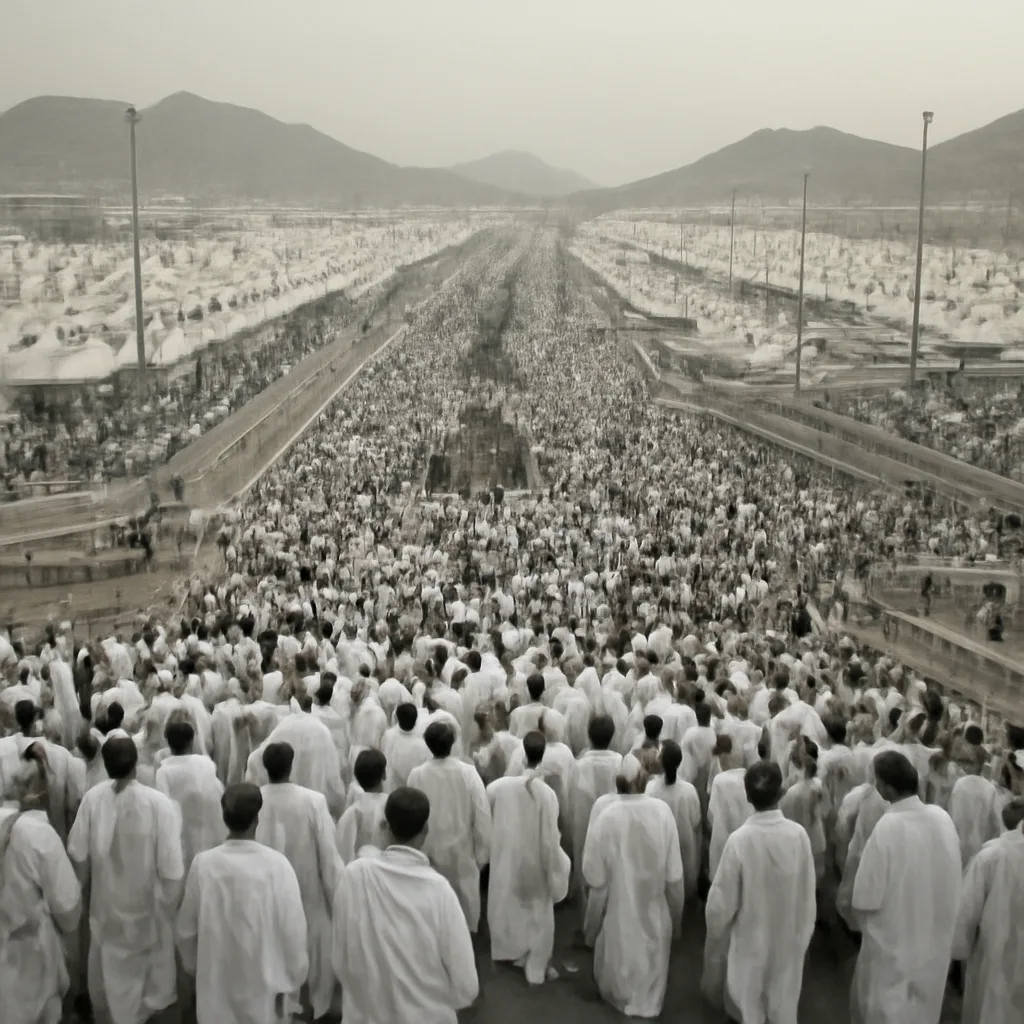
A massive crowd crush in the Mina district of Mecca on September 24, 2015, during the annual Hajj pilgrimage resulted in a large number of deaths and injuries; exact totals and causes were disputed among officials and witnesses.
Event context
Hajj is an annual religious obligation that draws over two million Muslims to Mecca. The stoning ritual (Ramy al-Jamarat) and the movement between Mina, Muzdalifah and Arafat involve large-scale, synchronized crowd flows. Managing those flows is a perennial logistical challenge for Saudi authorities, who implement staged schedules, dedicated pathways, and barriers to direct pilgrims.
What happened
Eyewitness accounts, hospital admissions and government statements described a sudden crush as streams of pilgrims converged on arterial routes in Mina. Some reports said the crush occurred on a major street and within a tunnel-like underpass; others placed it near intersections where multiple flows met. The congestion reportedly produced people falling and being trampled or asphyxiated in tightly packed groups. Emergency responders, ambulances and makeshift aid stations were overwhelmed in the immediate aftermath.
Casualties and disputed figures
Initial tallies diverged sharply. Some media outlets and foreign governments cited counts of several hundred up to more than a thousand dead; Saudi authorities provided lower figures in official statements. Because the victims included many foreign nationals and because different governments tracked their citizens separately, final consolidated totals remained disputed for months. Injuries numbered in the thousands by many reports. The lack of a single universally accepted casualty list and competing national tallies contributed to ongoing controversy.
Response and investigation
Saudi emergency services, hospitals and the Ministry of Health mobilized to treat the wounded and repatriate bodies. Multiple countries launched their own investigations to account for nationals and to seek information about how the crush occurred. International media and some foreign officials called for independent, transparent inquiries into crowd control measures, infrastructure design, scheduling and communications. Saudi authorities said they were conducting internal reviews and made some logistical and procedural changes to subsequent Hajj operations.
Historical significance and safety debate
The 2015 Mina crush became one of the deadliest incidents in recent Hajj history and renewed attention on the hazards inherent in managing mass pilgrimage movements. It joined earlier and later episodes—such as fires, stampedes and transportation accidents—that have prompted scrutiny of crowd-management techniques, pilgrimage infrastructure and coordination between organizers and international delegations. Pilgrimage authorities have since experimented with engineering changes, timing adjustments and technological monitoring to reduce risks, though debates about accountability and transparency persisted.
Uncertainties and contested details
Key details remain disputed: the precise number of fatalities, the exact location(s) of the worst-affected spots, and the sequence of movements that precipitated the crush. Differing media investigations, official Saudi figures and foreign government lists have not been fully reconciled in a single, independently verified accounting. Because of these unresolved questions, scholars and policy analysts caution against definitive statements about causation without further transparent, corroborated inquiry.
Legacy
The Mina crush of September 24, 2015, is remembered as a tragic episode in the history of modern Hajj logistics. It underscored the complexities of safely managing vast crowds engaged in ritual practice and intensified calls for improved crowd-safety measures, open reporting, and international cooperation to protect pilgrims during future Hajj seasons.