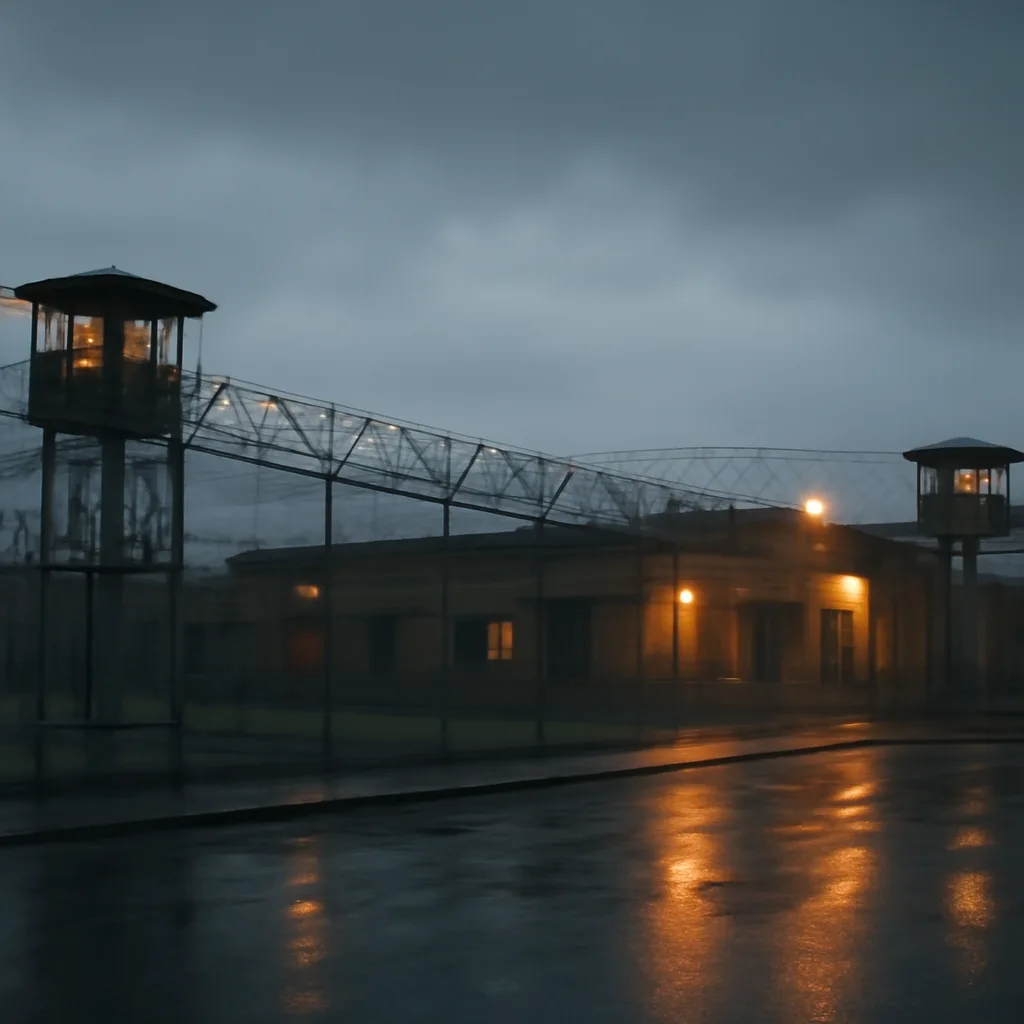
On November 16, 1989, convicted serial killer Ted Bundy was executed in Florida’s electric chair for multiple murders committed in the 1970s. The execution ended a high-profile, nationwide criminal case that prompted debates over capital punishment and forensic investigation.
On November 16, 1989, Theodore Robert Bundy, a notorious American serial killer convicted of multiple homicides committed during the 1970s, was executed at the Florida State Prison in Raiford. Bundy had been convicted in several Florida trials for the abduction, sexual assault and murder of young women; his most prominent convictions included the 1978 Chi Omega sorority house murders in Gainesville and the killing of 12-year-old Kimberly Leach. The sentence carried out was death by electrocution in Florida’s electric chair, known as "Old Sparky."
Bundy’s criminal history and legal proceedings drew intense national attention for more than a decade. Arrested in 1975 and linked to murders across several states, Bundy escaped custody twice in 1977 before being recaptured in Florida in 1978. He faced a series of trials in multiple jurisdictions; his final death sentence resulted from convictions in Florida, after which extensive appeals and stays were filed and denied over the years. His execution followed the exhaustion of his legal options at the state level and the denial of last-minute federal relief.
The case was notable for several reasons beyond the brutality of the crimes. Bundy’s apparent charm, intelligence and ability to manipulate those around him complicated public perception and media coverage. His willingness to represent himself in parts of his trial, to grant interviews, and to give extensive confessions in the months before his execution contributed to an unusually publicized legal saga. In the final period before his death, Bundy provided detailed accounts of many of his crimes to investigators, which helped resolve some cold-case murders but also left unresolved questions about the full extent of his offenses.
Bundy’s execution reignited debates over capital punishment in the United States, particularly the use of electrocution and the fairness of death-penalty procedures. Advocates for abolition pointed to the lengthy appeals process, the potential for sensationalized trials, and ethical concerns about state execution. Supporters of the death penalty argued that the sentence was an appropriate response to heinous, premeditated murders. The case also highlighted the evolving role of forensic science; while Bundy’s convictions were secured largely through eyewitness testimony, circumstantial evidence and investigative work, later advances in forensic techniques would change how many serial murder cases are investigated.
Legacy and public memory of the Bundy case remain contested. For victims’ families and communities, Bundy’s execution closed a legal chapter but could not erase the personal and social trauma caused by his crimes. Scholars and criminal-justice observers have used the case to examine issues of media representation, the psychology of offenders, criminal procedure, and the ethics of capital punishment. Bundy has also become an object of morbid public fascination, a phenomenon that has raised concerns about sensationalizing violent crime and retraumatizing victims’ families.
Accurate historical accounts emphasize verifiable facts: Bundy’s convictions, his execution date and location, and the broader legal and social consequences of the case. Details about the full number of victims remain uncertain and have been subject to Bundy’s own inconsistent confessions and investigators’ ongoing efforts to attribute unsolved cases. The November 16, 1989 execution is a documented endpoint in the criminal proceedings against Bundy, but it did not end public and scholarly scrutiny of the circumstances that allowed his crimes to occur or the systemic responses that followed.