
10/30/1938 • 5 views
The 1938 War of the Worlds Broadcast and the Panic That Followed
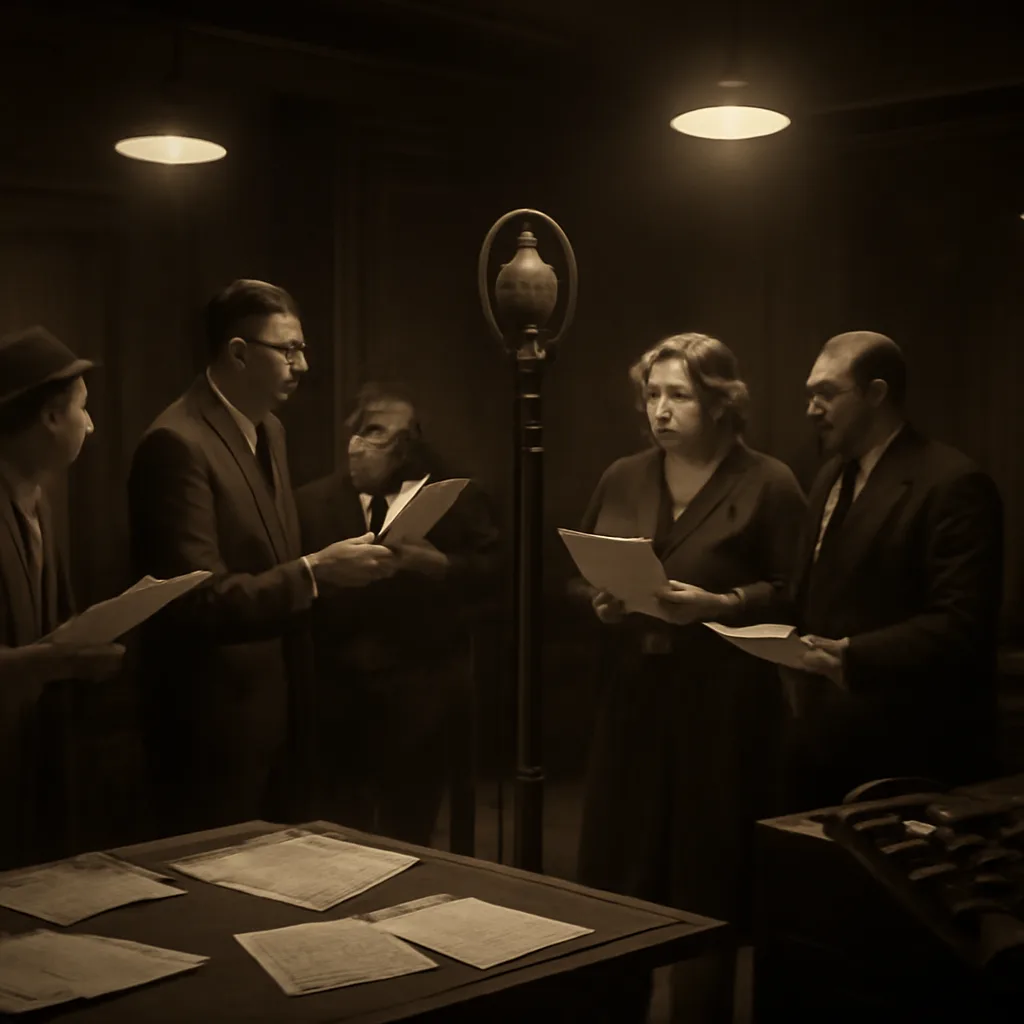
On October 30, 1938, Orson Welles’s radio adaptation of H.G. Wells’s The War of the Worlds was presented in a news-bulletin format that led to widespread reports of public alarm; the extent of the resulting panic has been debated by historians.
Contemporary newspaper accounts and later popular memory described scenes of widespread public panic: listeners fleeing homes, seeking shelter, and overwhelming police and emergency services. In the immediate aftermath, several newspapers ran sensational headlines blaming radio for inspiring mass hysteria, and some politicians and broadcasters called for regulation. The negative press intensified public reaction and helped cement the broadcast’s reputation as having provoked a nationwide panic.
Scholars have since examined the available evidence more critically. Studies of audience size, contemporary listener surveys, police reports, and station complaints indicate that while some individuals were seriously frightened, the scale of panic was likely exaggerated. Research by media historians—most notably those revisiting audience data and archival records beginning in the 1970s and 1980s—found that the number of people who believed an actual invasion was occurring was relatively small and that many reports of mass disorder came from secondhand newspaper accounts or were amplified by rival papers displeased with radio’s growing influence.
Factors helping to explain the mixed reactions include the broadcast’s realistic style, the public’s familiarity with news bulletins as a primary means of receiving urgent information, and the limited practice at the time of clearly labeling dramatic programming. The social context also mattered: 1938 audiences were living with the anxiety of escalating international tensions in Europe, and radio was an intimate medium with high trust. Additionally, a number of listeners were already inclined to accept extraordinary reports when presented in authoritative formats.
The episode had several lasting consequences. It prompted discussions about broadcast ethics and the need for clearer program identification. The Federal Communications Commission (FCC) held hearings that examined broadcasting practices, though it issued no sweeping new regulations specific to dramatizations. For Orson Welles and the Mercury Theatre, the broadcast raised Welles’s national profile, helping open doors for his later film career. For historians of media, the event became a foundational case study in mass communication, rumor formation, and moral panics.
Today the 1938 War of the Worlds broadcast is remembered both as a striking example of radio’s power and as a cautionary tale about journalistic and institutional responses to new media. While popular legend long spoke of thousands in panic, careful historical work shows a more nuanced reality: the program frightened some listeners and provoked outsized press coverage, but the depiction of a nationwide mass hysteria is likely exaggerated. The event remains important for understanding how the interaction of media formats, social context, and reportage can shape public perception.