
01/13/1953 • 5 views
U.S. Army Chemical Weapons Tests Involving Soldiers, January 13, 1953
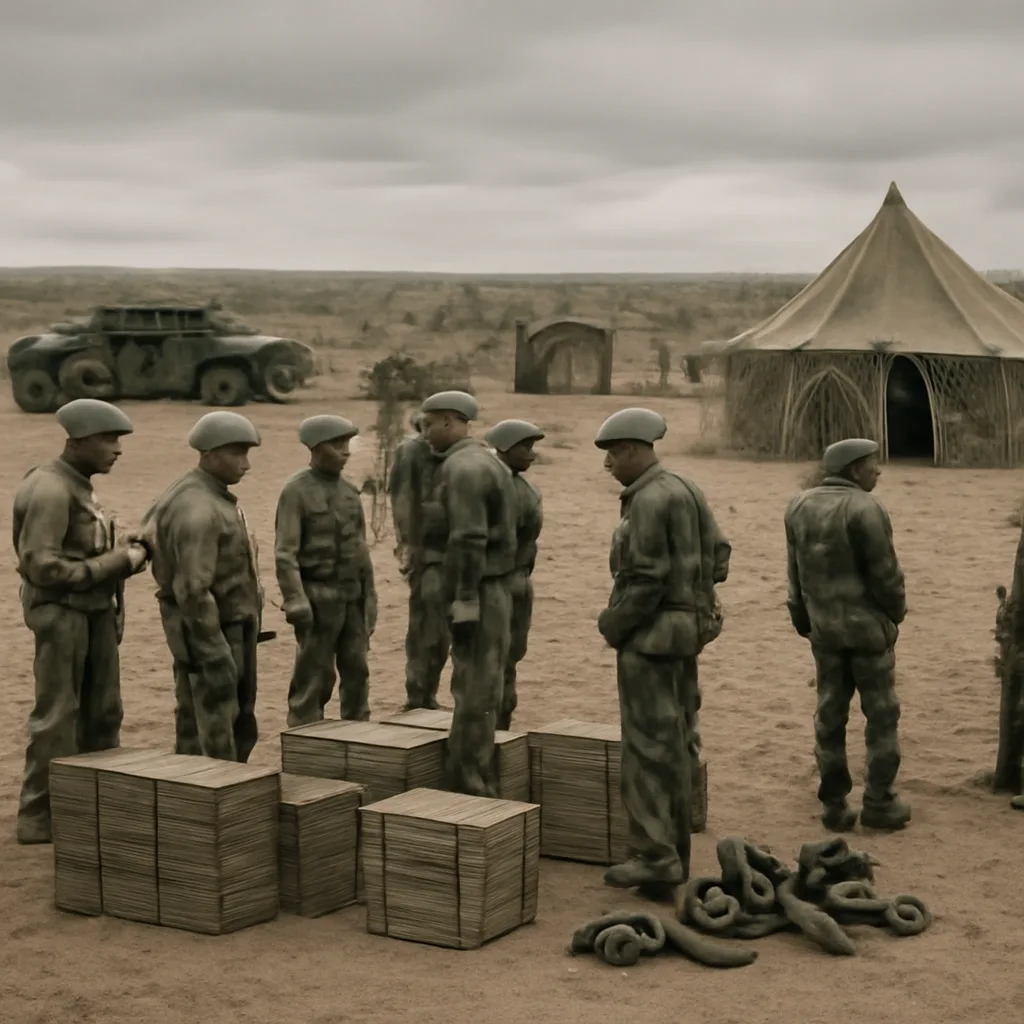
On January 13, 1953, the U.S. Army conducted tests involving chemical agents and military personnel—part of broader Cold War-era experimentation. Many details remain contested; later investigations revealed health concerns and ethical controversies over informed consent.
Context: From World War II through the Cold War, U.S. military and civilian researchers engaged in experiments with mustard gas, nerve agents (such as sarin and VX, developed later), and non-lethal chemical simulants to study vulnerabilities and countermeasures. The Army Chemical Corps, Edgewood Arsenal, Dugway Proving Ground, and other facilities were central nodes in this research. Activities included open-air dispersals, chamber tests, and human volunteer exposures under varying protocols.
What happened on or around the date: The January 13, 1953 date is associated in some records and testimonies with an Army test involving personnel exposure to chemical agents or training with protective equipment under realistic conditions. Specifics—such as the exact agent used, the number of soldiers involved, and the detailed objectives—vary across sources. Contemporary military documentation often classifies modalities and materials; subsequently declassified files, veteran statements, and independent investigations have filled some gaps but left others uncertain.
Health, consent, and oversight: Many soldiers who participated later reported acute symptoms and chronic health problems they attributed to chemical exposures. Investigations into military human experimentation—most notably in the 1990s and early 2000s—found that informed-consent standards applied unevenly and that oversight mechanisms were more limited than modern ethical norms require. Compensation and recognition programs have addressed some but not all claims. Researchers and advocacy groups continue to debate the linkage between specific tests and long-term medical outcomes.
Recordkeeping and transparency: Official recordkeeping from the period is incomplete. Some files remained classified for decades, and others were lost, redacted, or dispersed across agencies. Declassification and Freedom of Information Act requests have produced more documentation, yet historians caution that available records may not fully capture the scale or nature of every test. Where documentary evidence is lacking, historians rely on unit logs, medical records, oral histories, and contemporaneous scientific reports.
Legacy and policy changes: Revelations about Cold War-era human testing prompted policy reviews, institutional reforms, and new ethical standards for research involving human subjects. The National Research Act of 1974 and establishment of institutional review boards reflected broader lessons about consent and protection. For veterans, the legacy includes ongoing efforts to obtain medical care, exposure presumptions, and recognition from the Department of Veterans Affairs and other authorities.
Uncertainties and disputes: Key details tied to single dates like January 13, 1953 can be disputed—precisely which agent or simulant was used, whether exposures were intentional or incidental, and the immediate and long-term health impacts. Where sources diverge, this summary notes the contested nature rather than asserting unverified specifics.
Conclusion: The January 13, 1953 tests form part of a larger, documented pattern of U.S. military chemical-warfare research involving human subjects in the mid-20th century. While some documentation has emerged, gaps and contested accounts persist, and the event remains emblematic of ethical and medical debates about military experimentation and veteran care.