On this day: April 7
Dead Sea Scrolls Made Public for the First Time

On April 7, 1948, a significant portion of the Dead Sea Scrolls collection was released for scholarly access and public awareness, marking a turning point in modern study of the earliest Jewish and biblical manuscripts.
1947 Public Demonstration of Cloud Seeding in Mount Gretna, Pennsylvania

On April 7, 1947, meteorologist Vincent Schaefer carried out one of the earliest public demonstrations of cloud seeding near Mount Gretna, Pennsylvania, showing that dry ice could induce ice crystal formation in supercooled clouds—an event that helped launch weather modification research.
1927: First Public U.S. Demonstration of Television in Washington, D.C.
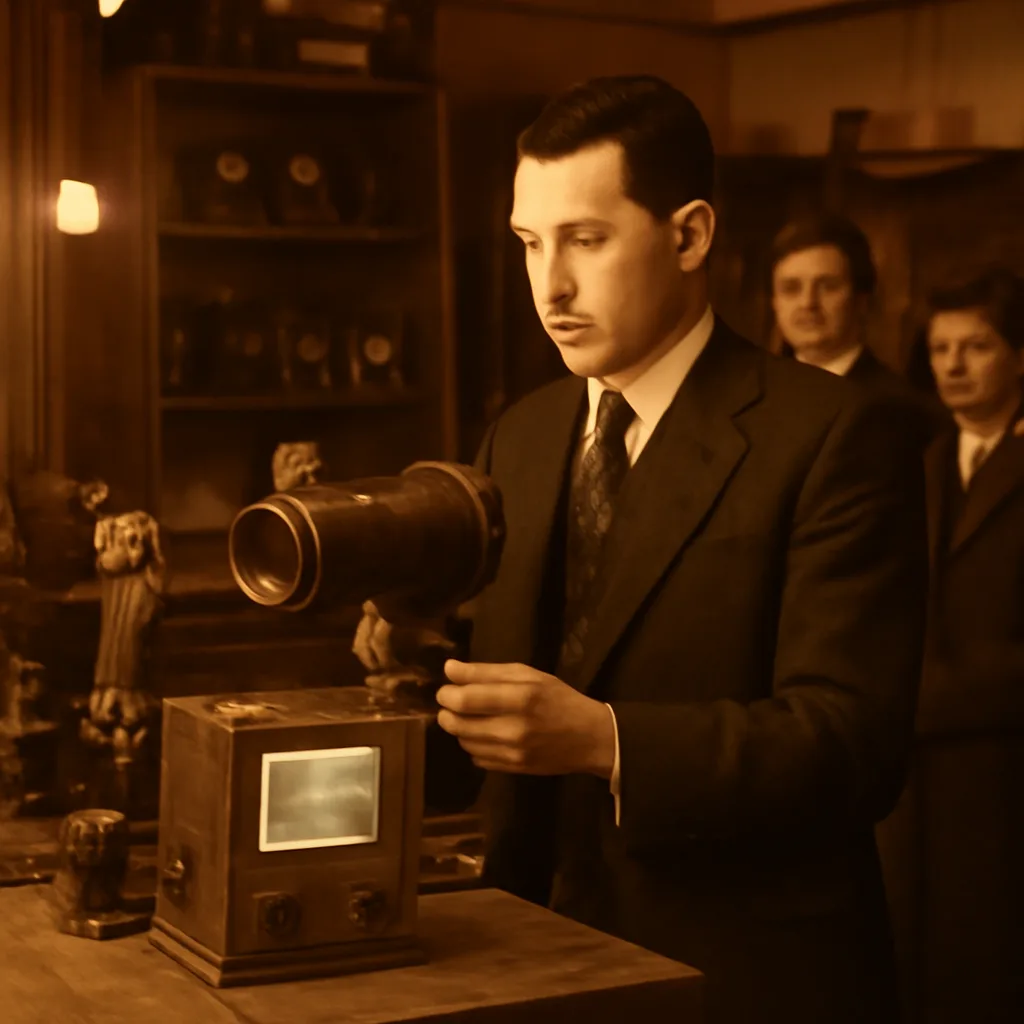
On April 7, 1927, radio engineer and inventor Philo Farnsworth presented a public demonstration of electronic television in San Francisco; earlier mechanical television demonstrations had been shown in the U.S., but 1927 marked a landmark in electronic system demonstrations that led to modern television.
Remington Rand Sells the First Commercial Computer
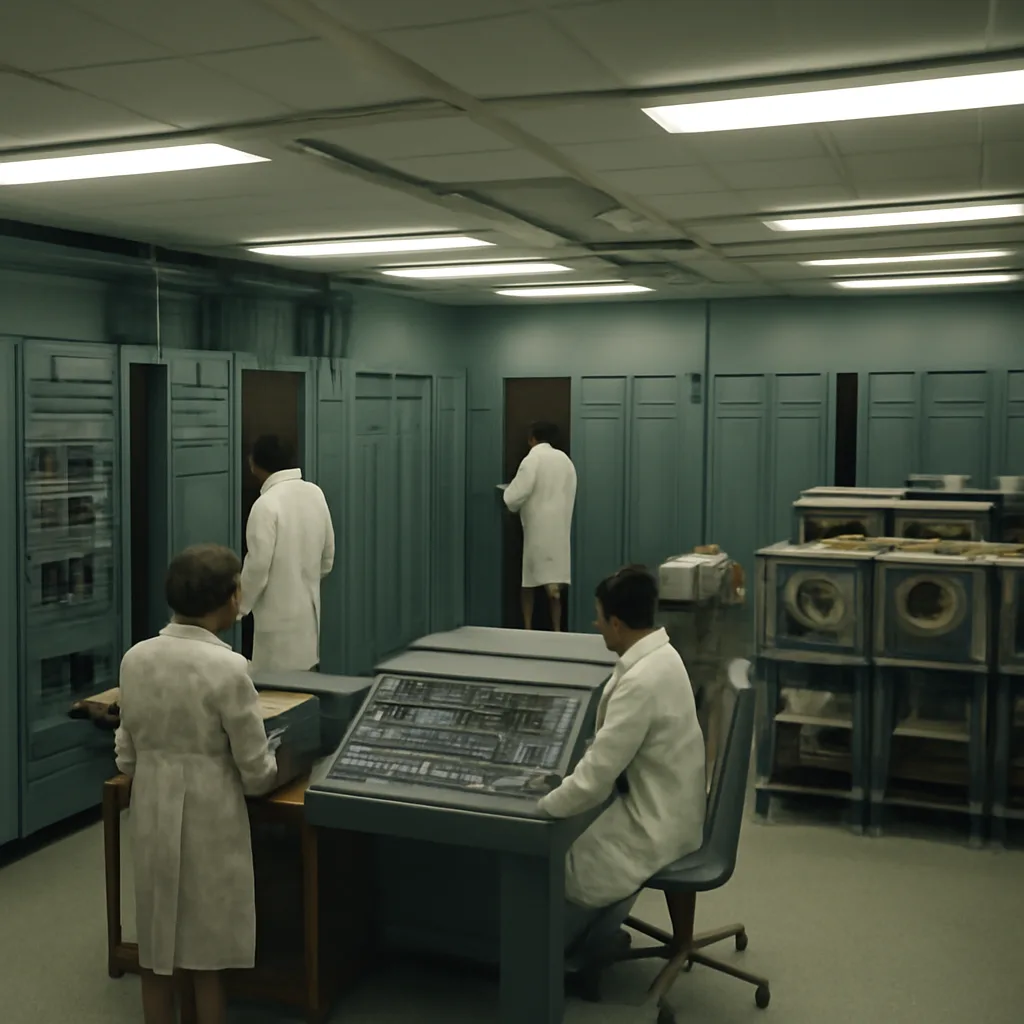
On April 7, 1951, Remington Rand delivered and sold the UNIVAC I, the first commercially produced electronic digital computer marketed for business use, marking a turning point in commercial computing.
First Public Demonstration of Radar: 7 April 1935
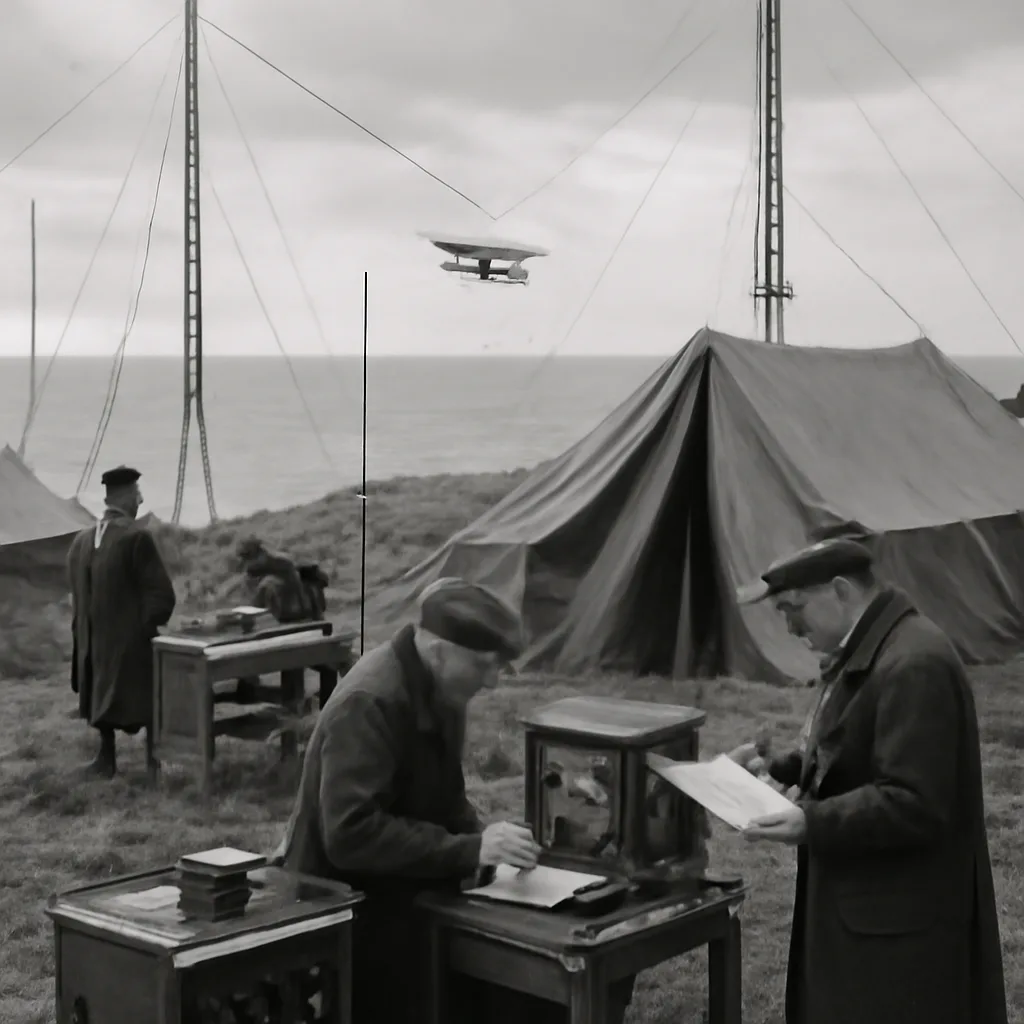
On 7 April 1935, British researchers gave the first widely reported public demonstration of radar—showing that radio waves could detect distant objects—marking a milestone in the development of electronic detection and foreshadowing its pivotal role in World War II.
First hospital blood bank in the U.S. opens in Chicago, 1937
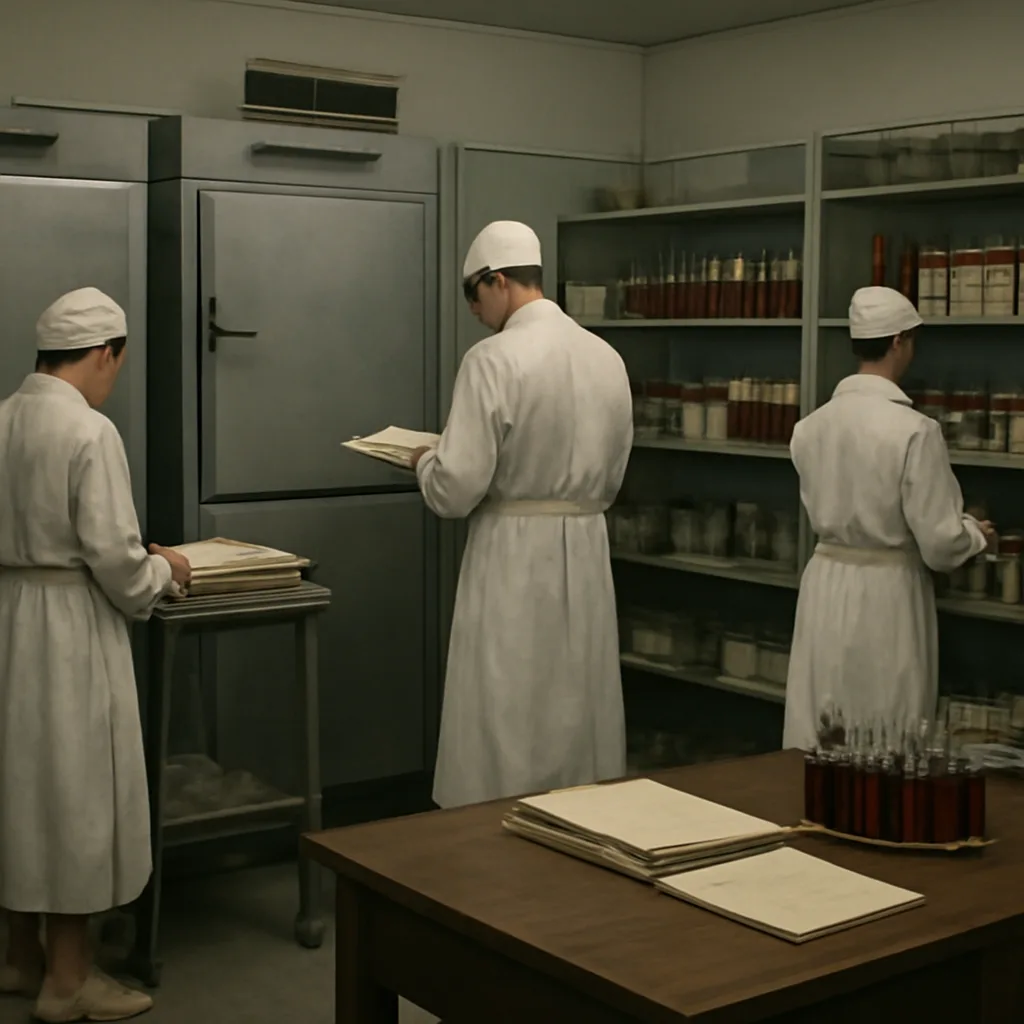
On April 7, 1937, the Cook County Hospital in Chicago established the first documented hospital-based blood bank in the United States, introducing refrigerated storage and recordkeeping that made transfusions safer and more reliable.
Parliament enacts Britain’s first modern prison reform law
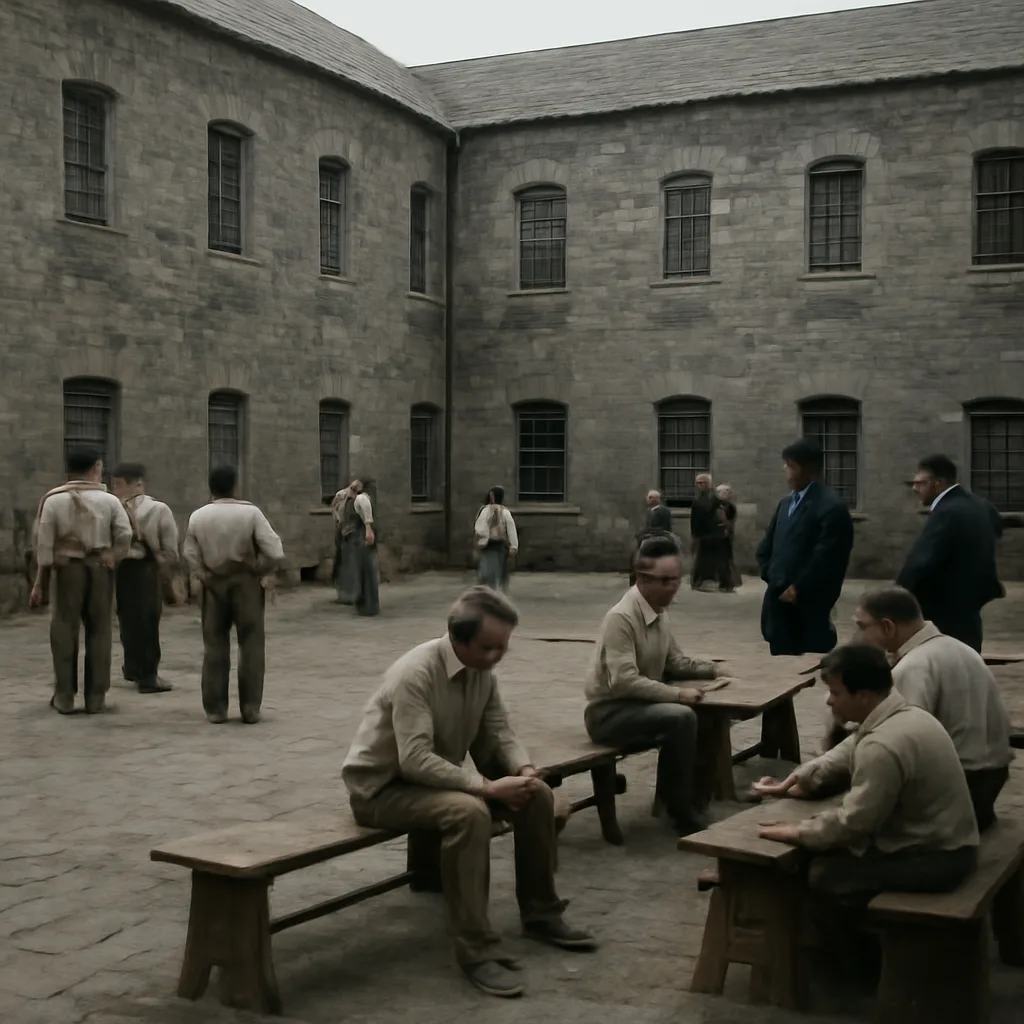
On April 7, 1842, the British Parliament passed the Prison Discipline Act, marking the first comprehensive modern prison reform law aimed at regulating discipline, classification, and conditions in convict prisons—establishing principles that influenced later reforms in the UK and abroad.