On this day: February 19
Soviet Union Launches First Animal into Orbit

On 19 February 1960 the Soviet space program achieved an early biological milestone when a dog named Zvezdochka was launched into orbit aboard Sputnik 5, marking one of the first instances of a multi-animal orbital flight and advancing understanding of life in space.
Soviet Union Launches First Animal into Orbit
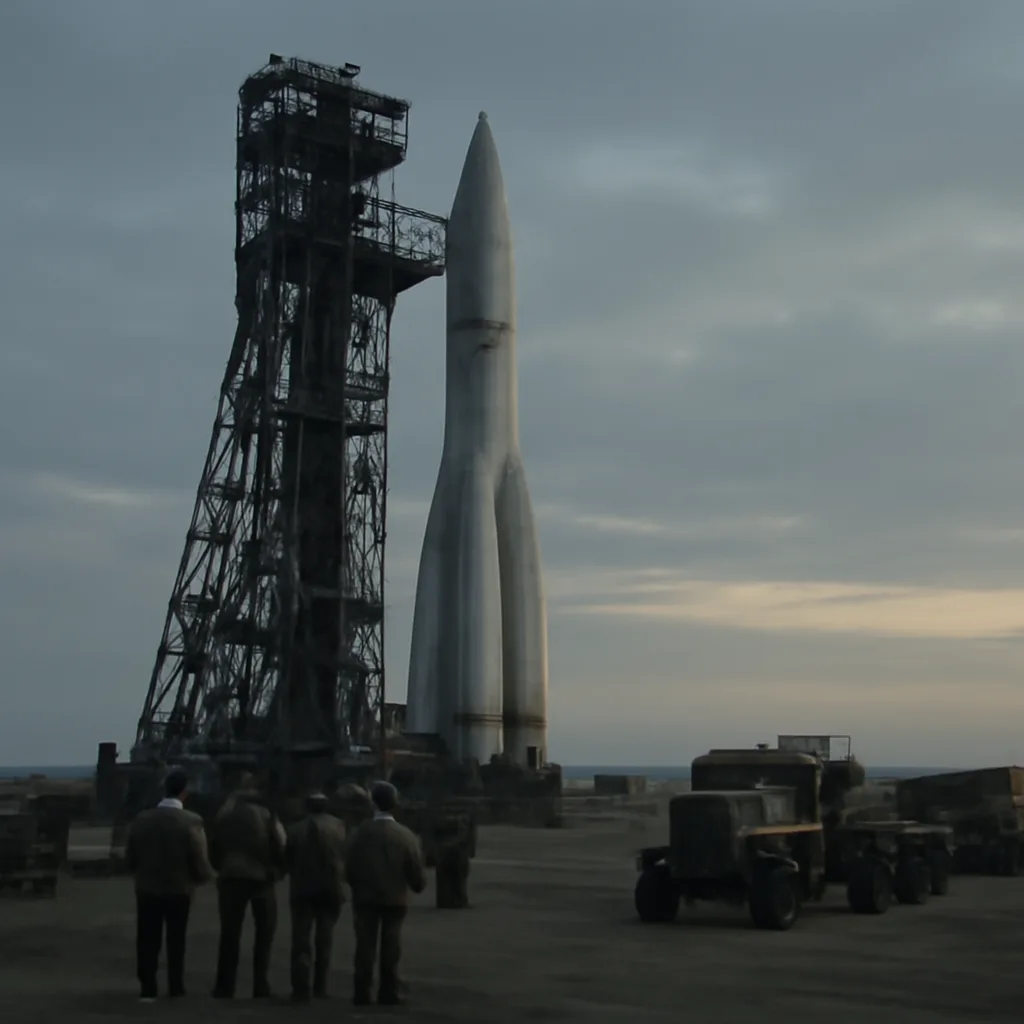
On February 19 (year disputed), the Soviet space program sent the first animal into orbit, marking an early milestone in biological spaceflight and raising scientific and ethical questions about life beyond Earth.
Studying the First Successful Organ Transplant Rejection, 1959
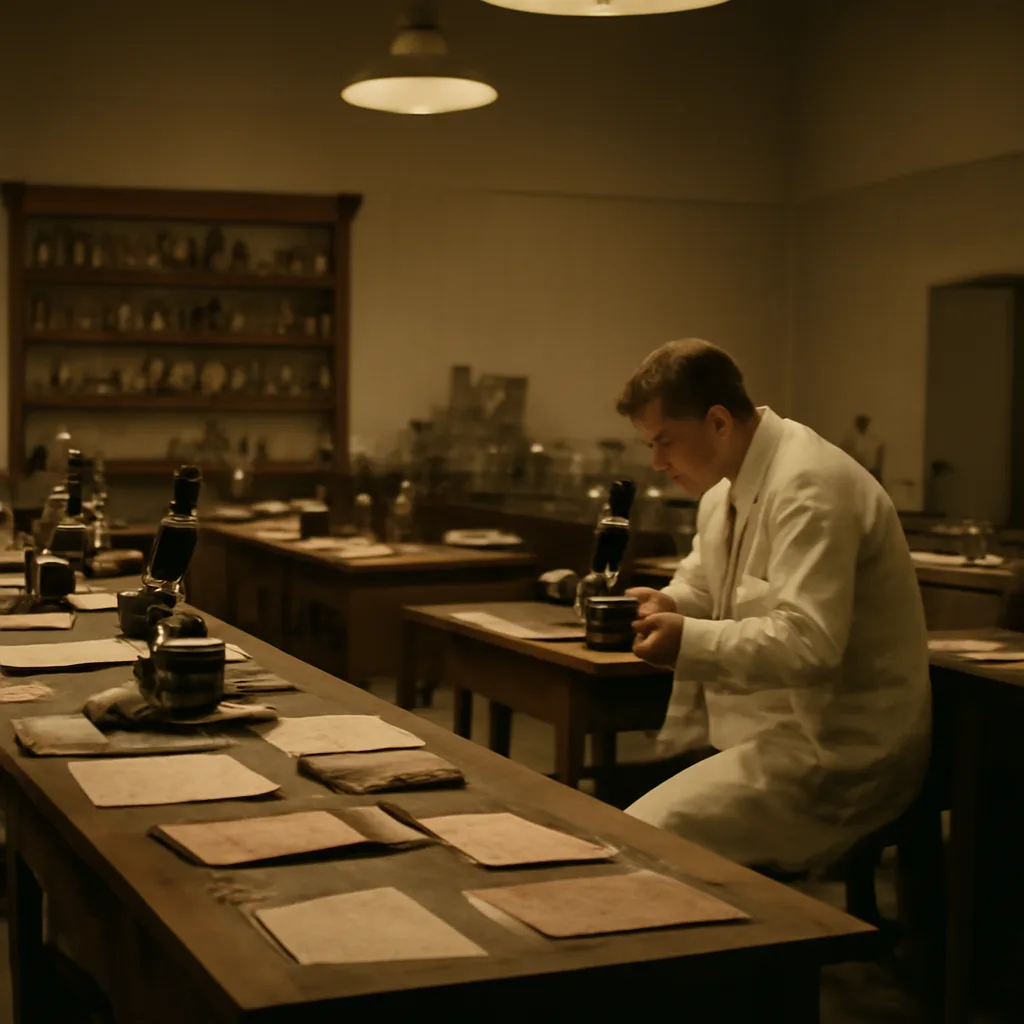
On February 19, 1959, researchers documented the first studied instance of organ transplant rejection, marking an early, pivotal step in understanding host immune responses to transplanted tissue.
FBI Releases Files on Jack Ruby

The FBI has released previously withheld files on Jack Ruby, the Dallas nightclub owner who killed Lee Harvey Oswald in 1963, shedding further light on the bureau’s investigations and records management decades after the assassination.
Researchers publish study of first documented human organ transplant rejection
On February 19, 1959, physicians published a clinical analysis of the first recognized case of human organ transplant rejection, detailing immune responses that would reshape transplant medicine.
U.S. Government Authorizes Internment of Japanese Americans

On February 19, 1942, President Franklin D. Roosevelt signed Executive Order 9066, authorizing removal and incarceration of people of Japanese ancestry from the U.S. West Coast. The order led to mass forced relocation and confinement of Japanese Americans during World War II.
Early scientific note on contagious yawning, February 19, 1920
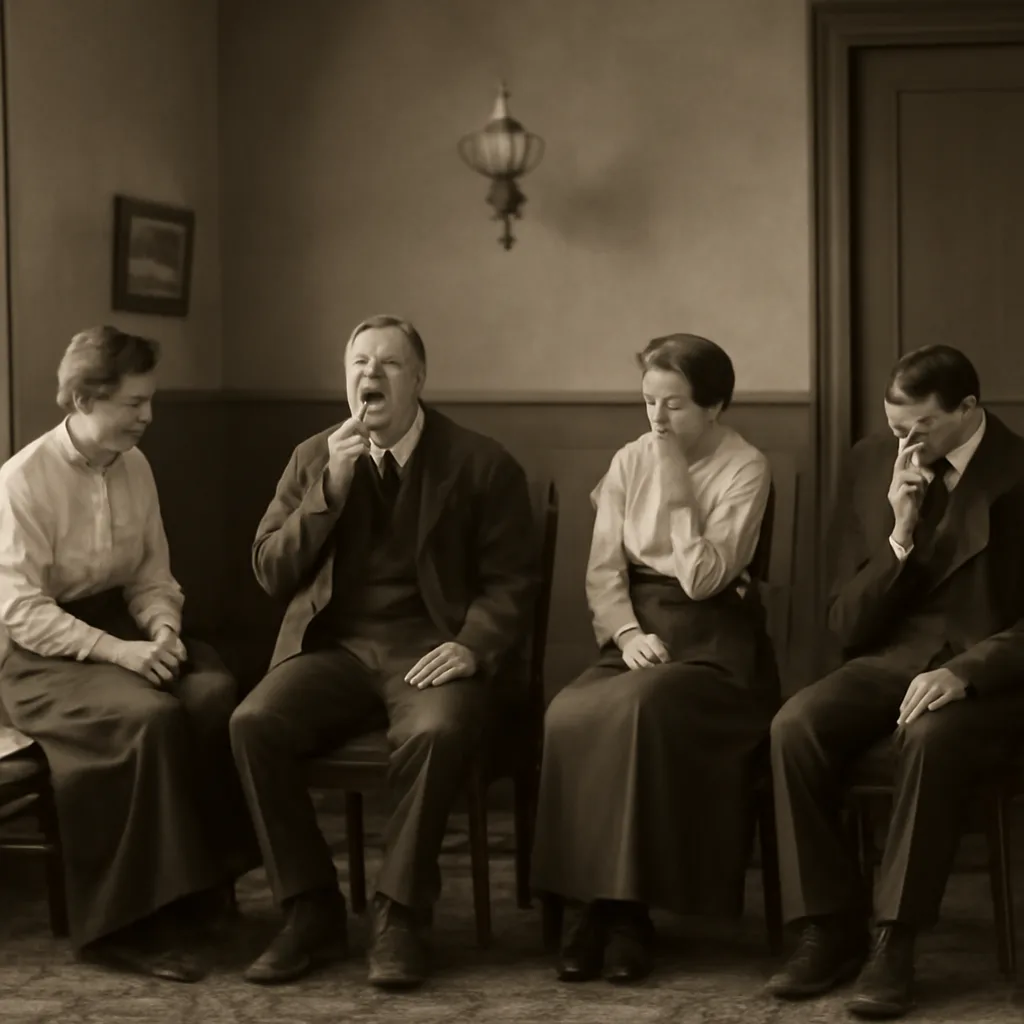
On February 19, 1920, a brief clinical observation recorded what appears to be the first documented instance of contagious yawning being studied in a scientific or medical context, noting yawns triggered among people in proximity.
U.S. Authorizes Internment of Japanese Americans

On February 19, 1942, President Franklin D. Roosevelt signed Executive Order 9066, authorizing the removal and incarceration of people of Japanese ancestry from designated West Coast military areas—an action that led to the forced relocation and internment of about 120,000 Japanese Americans during World War II.
Edison Patents the Phonograph, Ushering in Recorded Sound

On February 19, 1878, Thomas A. Edison received a patent for the phonograph, a device that recorded and reproduced sound using a grooved cylinder—marking a pivotal step toward commercial recorded audio.