On this day: February 5
Nebraska School Lockdown Triggered by Rogue Tennis Court Cow
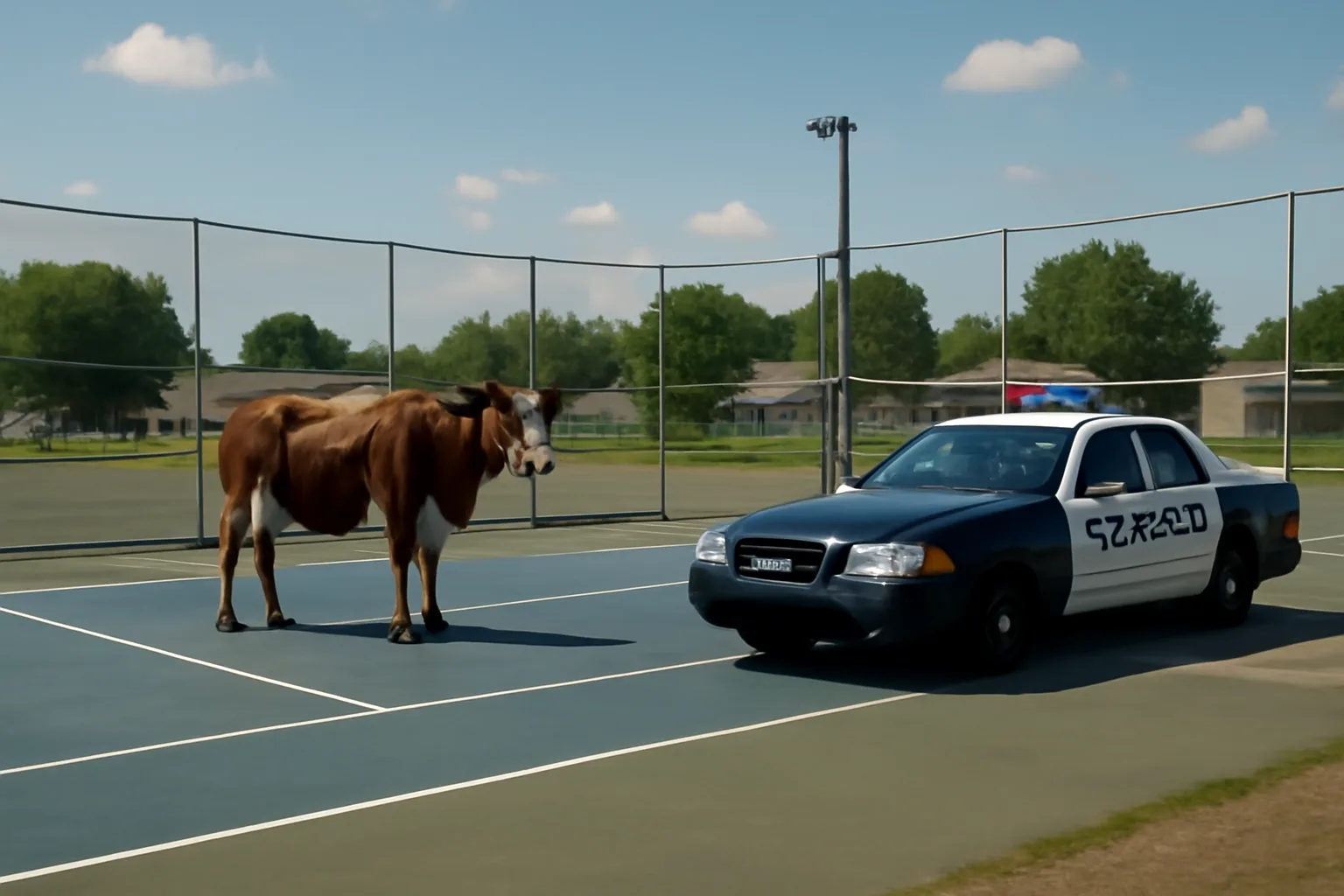
A loose cow roaming the streets of a Nebraska town sparked an unexpected lockdown at McCook High School after it ventured onto the school's tennis courts, leading police to take precautionary measures.
Indonesia’s Maros Region Yields World’s Longest Wild Snake

A reticulated python found in Indonesia’s Maros region has been officially confirmed by Guinness World Records as the world's longest wild snake on record. The discovery has put the spotlight on these elusive giants.
Columbus Stranded on Jamaica After February 1504 Landing
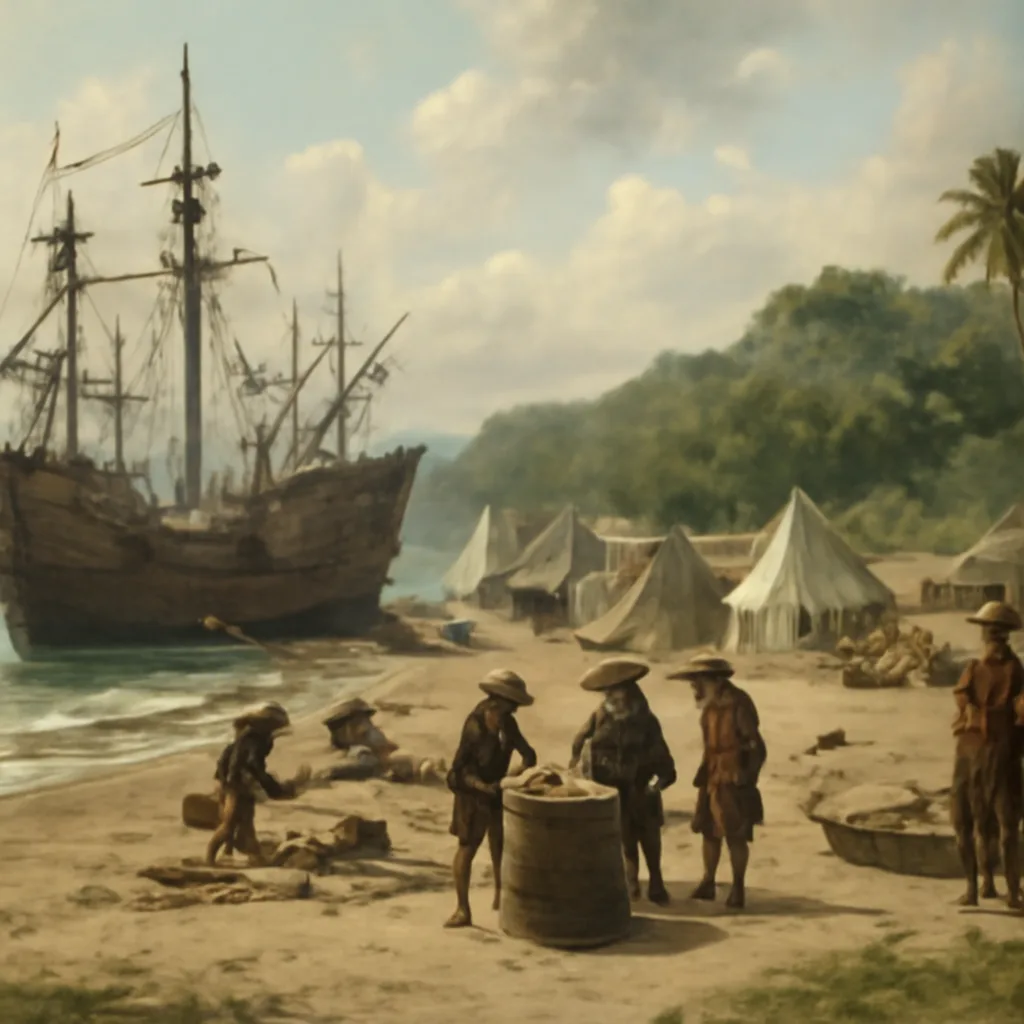
On 5 February 1504 Christopher Columbus and his crew landed on Jamaica and were subsequently stranded there for over a year after damage to their ships and deteriorating relations with indigenous groups and among the crew.
Television Enters the Courtroom: First U.S. Televised Murder Trial Begins in Early February 1954
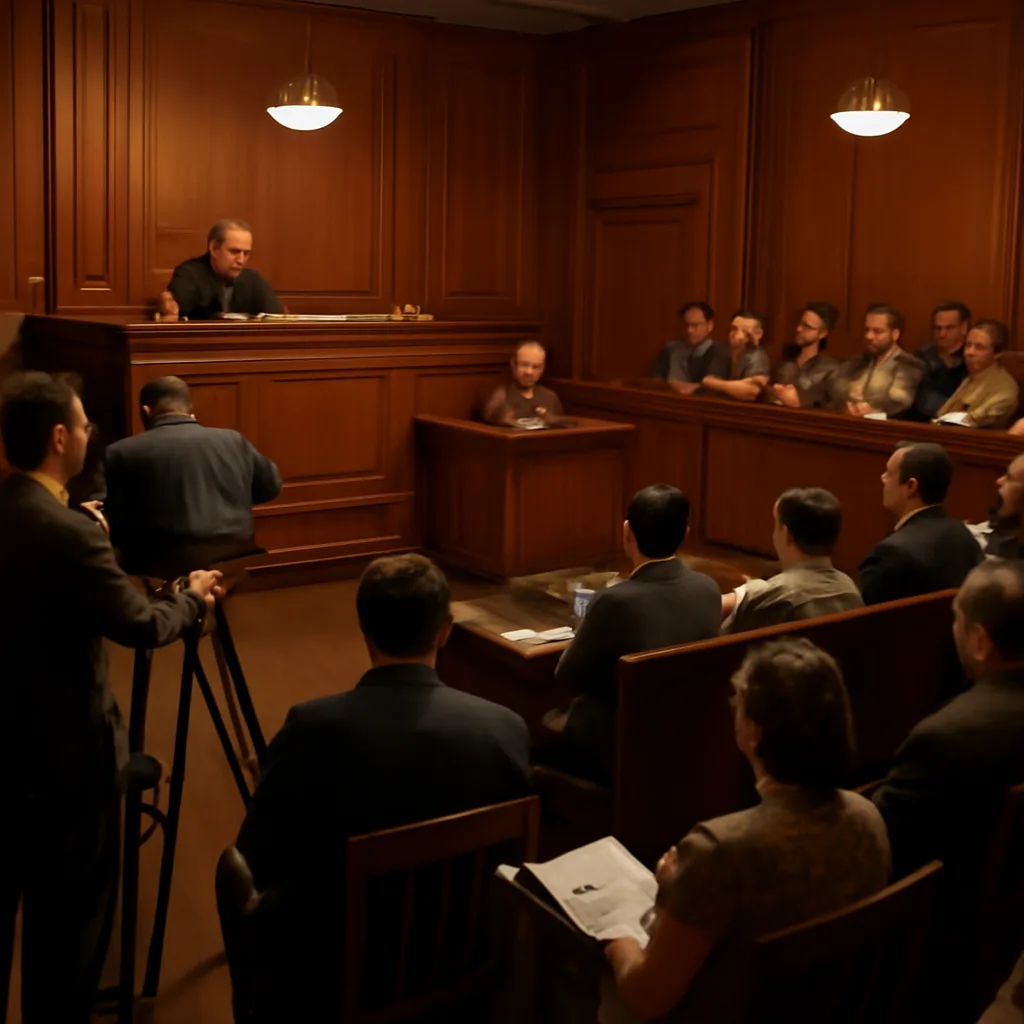
On February 5 (year disputed in sources), 1954 marked the start of what is widely described as the first U.S. televised murder trial, a milestone in media and legal history that raised questions about courtroom publicity, juror influence, and the ethics of broadcasting criminal proceedings.
Landmark 1974 Lawsuit Marks First Documented U.S. Case Over Nonconsensual Human Experimentation
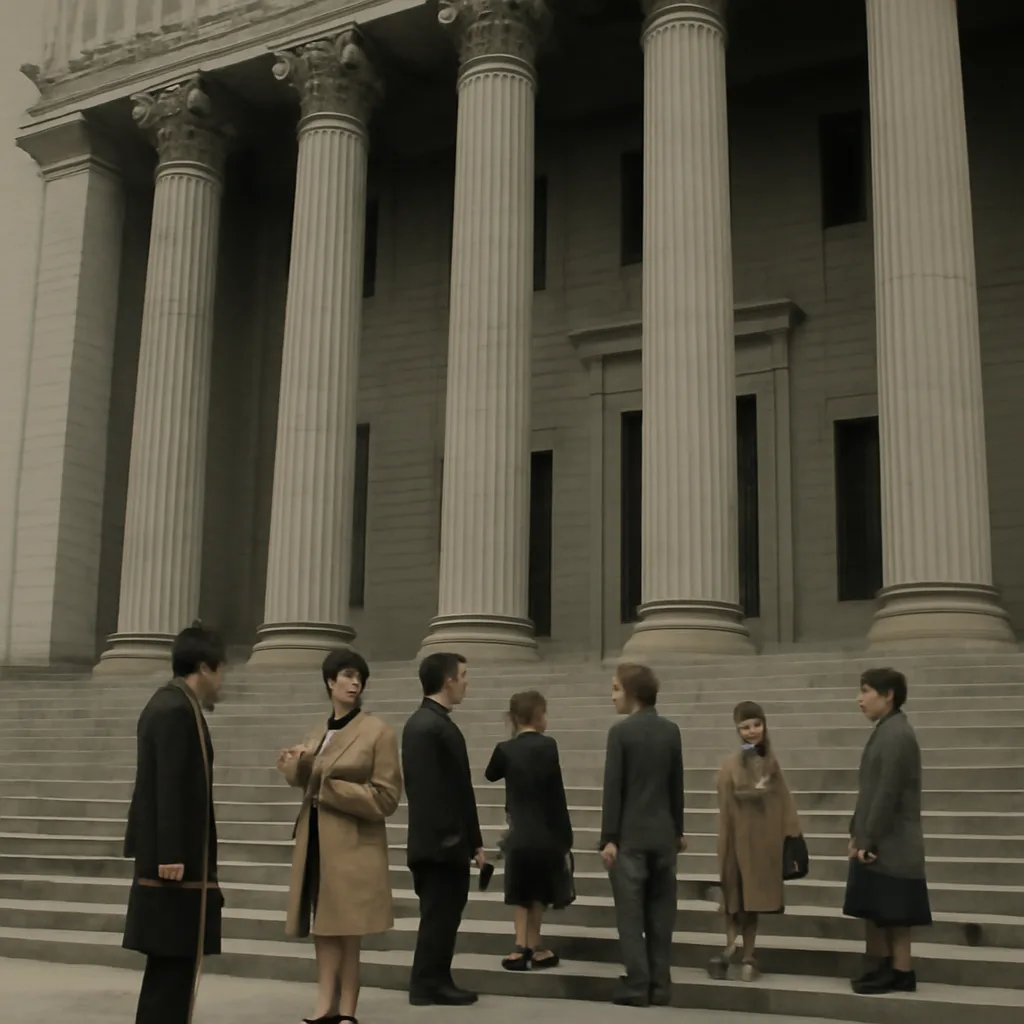
On February 5, 1974, a federal suit filed in New York accused the U.S. government of conducting nonconsensual radiation experiments on servicemen and civilians—one of the earliest documented legal challenges in the United States explicitly alleging human experimentation without informed consent.
The 1891 Trial in Kiev Often Cited as the First Modern ‘Ritual Murder’ Case
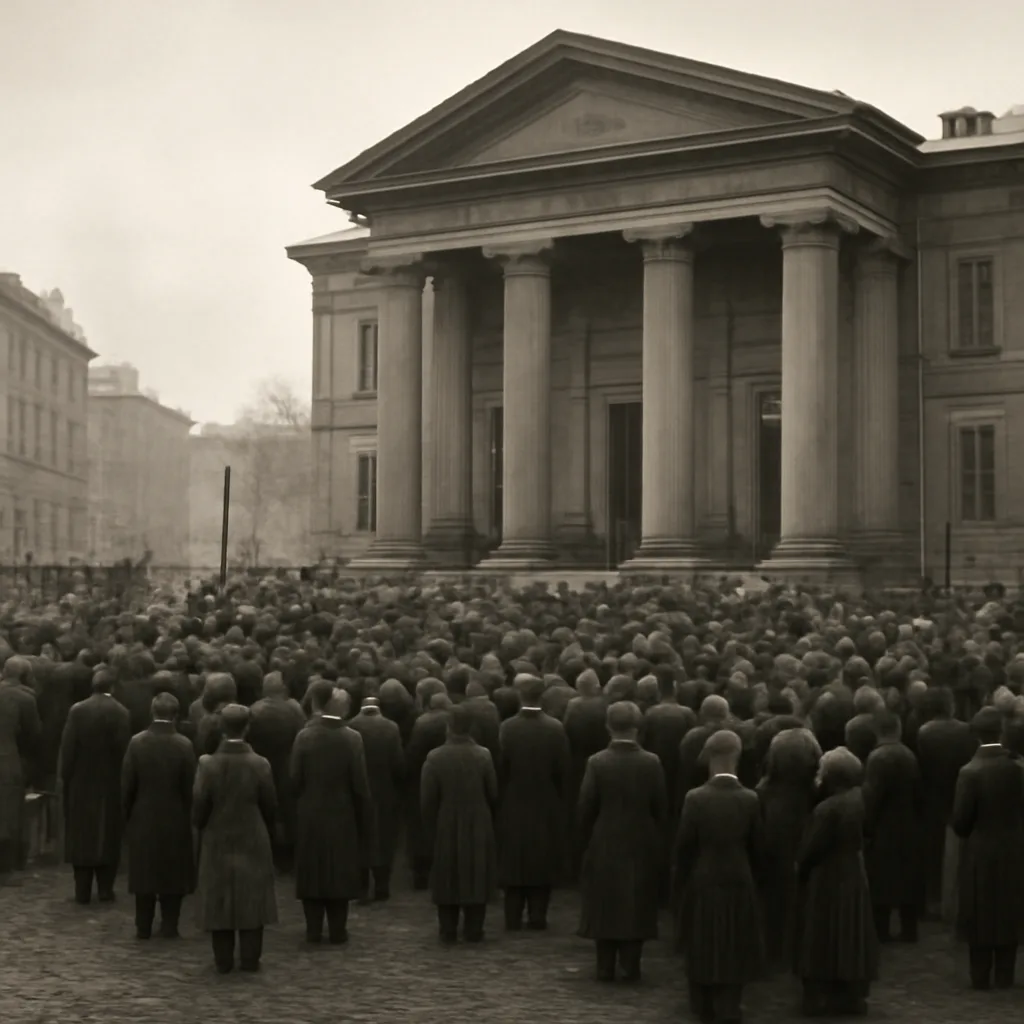
On February 5, 1891, a high-profile trial in Kiev accused Jewish community members of murdering a Christian boy in a case framed as a ritual killing—an event that crystallized the blood libel in late 19th-century Eastern Europe and contributed to anti-Jewish violence and legal scrutiny.
Televised Coverage Begins of First U.S. Murder Trial
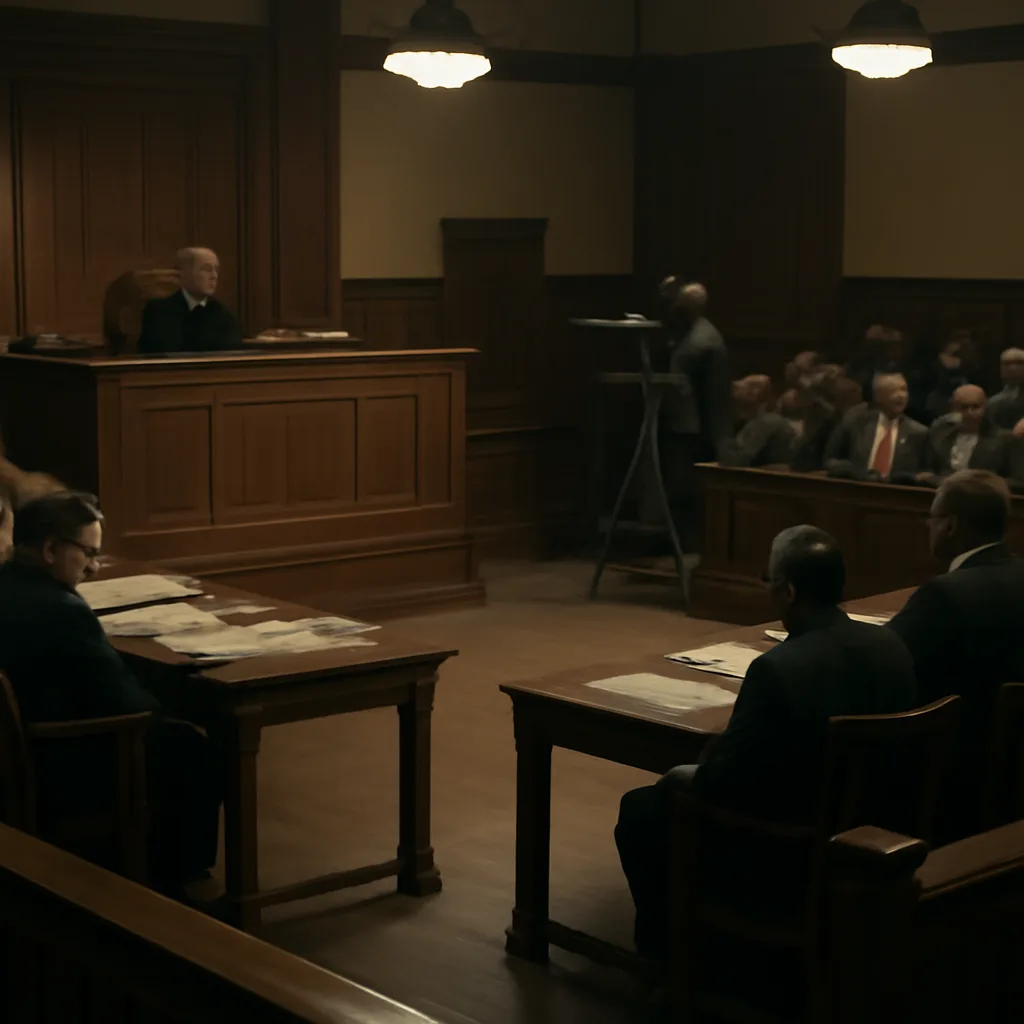
Television cameras were brought into a U.S. courtroom for the first time to broadcast a murder trial beginning on February 5; the experiment marked a turning point in public access to criminal proceedings and prompted legal and ethical debate.
First U.S. Televised Murder Trial Begins in 1954
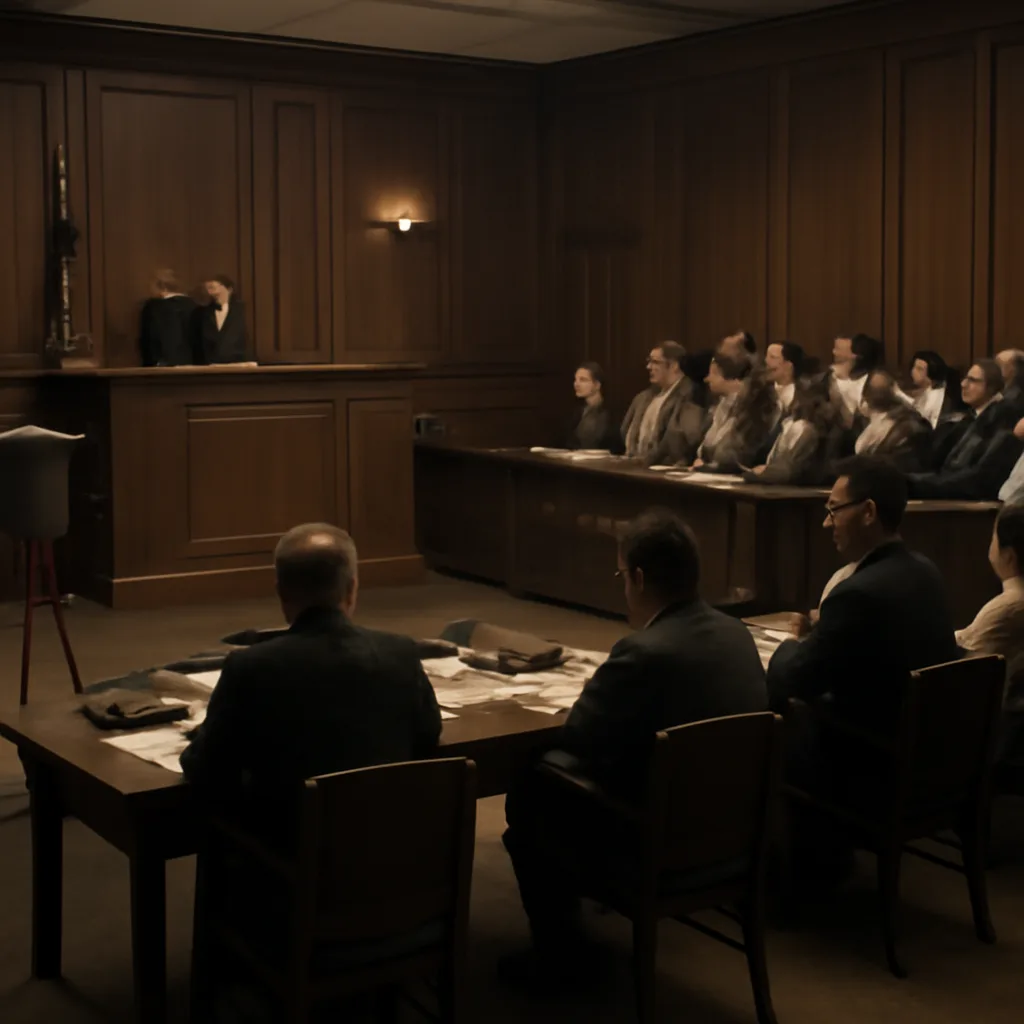
On February 5, 1954, a U.S. courtroom permitted television cameras for the first time in a murder trial, marking a contentious shift in how high‑profile criminal proceedings would be presented to the public.
First Electric Traffic Light Installed in Cleveland, 1914
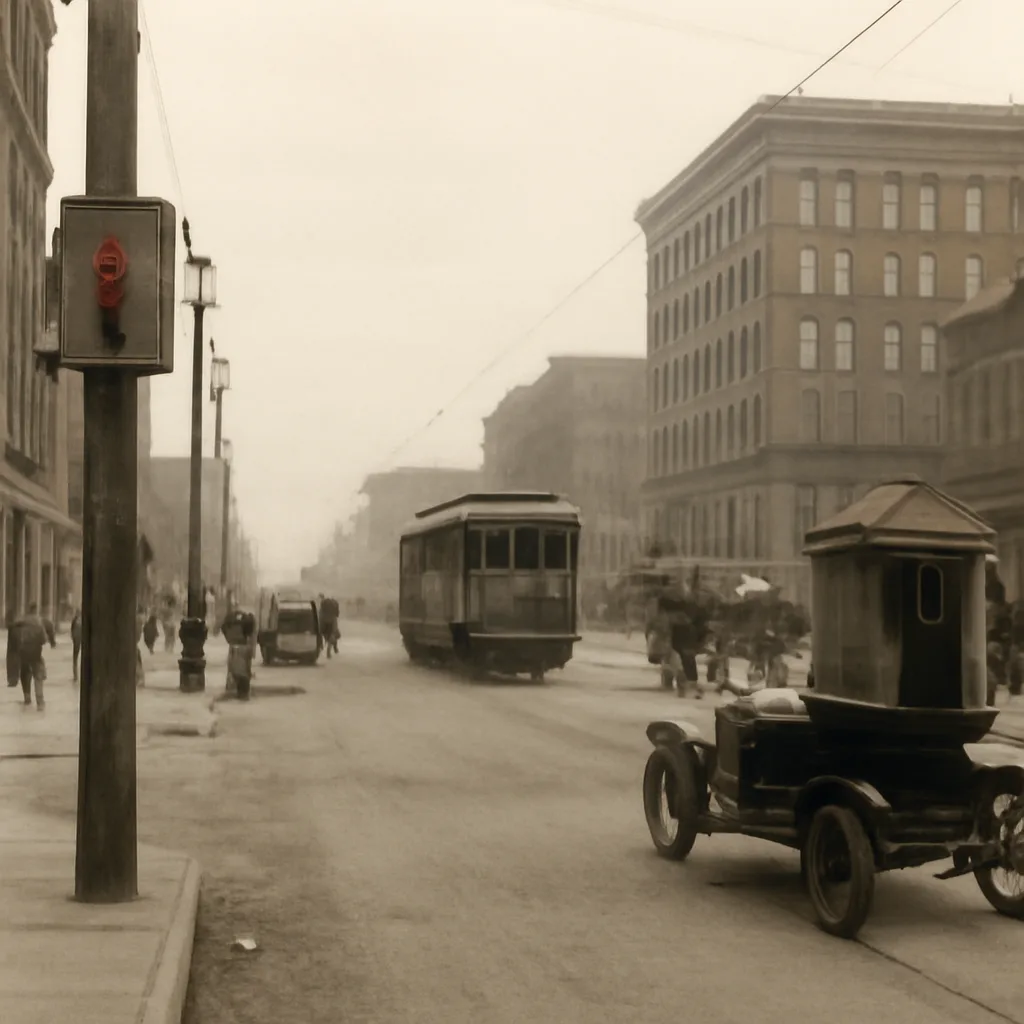
On February 5, 1914, Cleveland introduced the first electric traffic signal, a two-color electric light mounted at an intersection to manage growing automobile and streetcar traffic—an early step toward modern traffic control.
First U.S. Murder Trial Broadcast on Television Begins
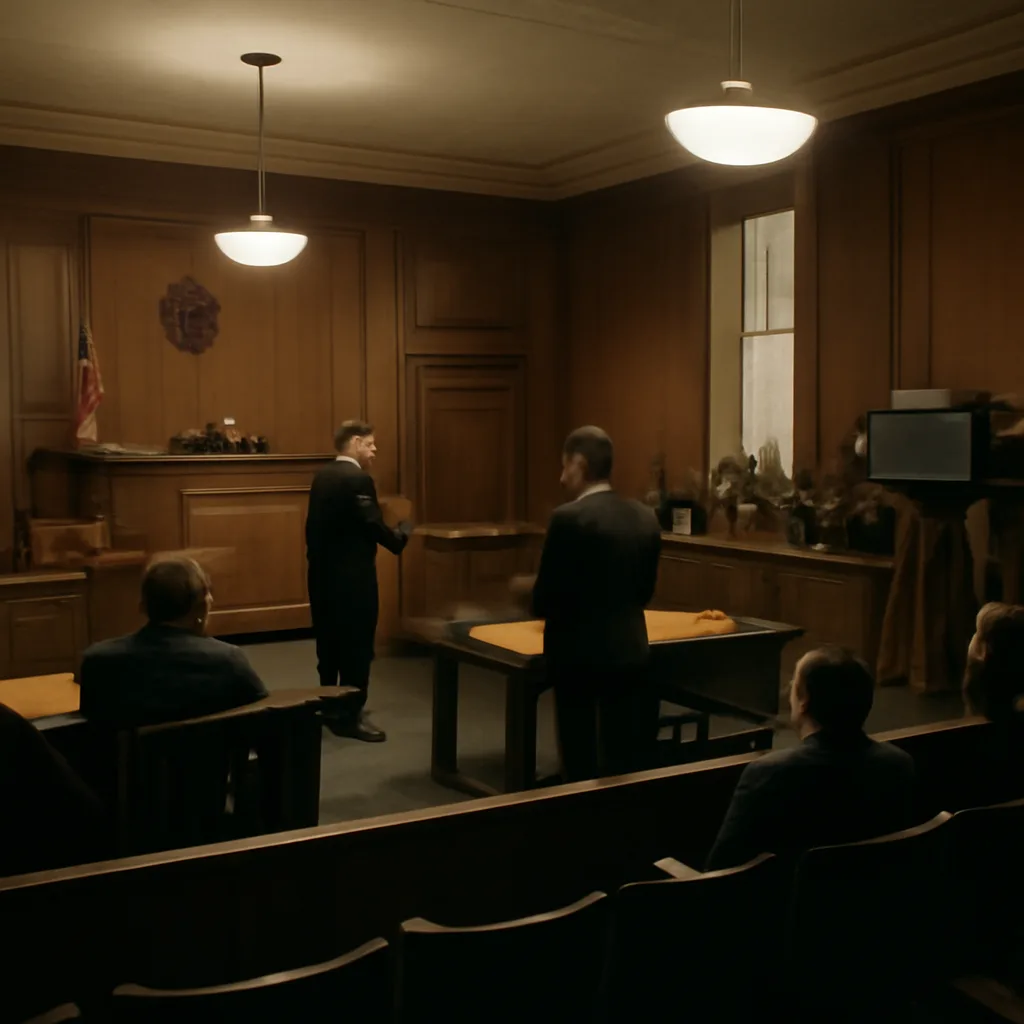
On February 5, 1954, the United States recorded its first televised murder trial when California courts allowed limited camera access, marking a contentious shift toward broadcasting courtroom proceedings to the public.
First Confirmed U.S. Lawsuit Over Human Experimentation Filed
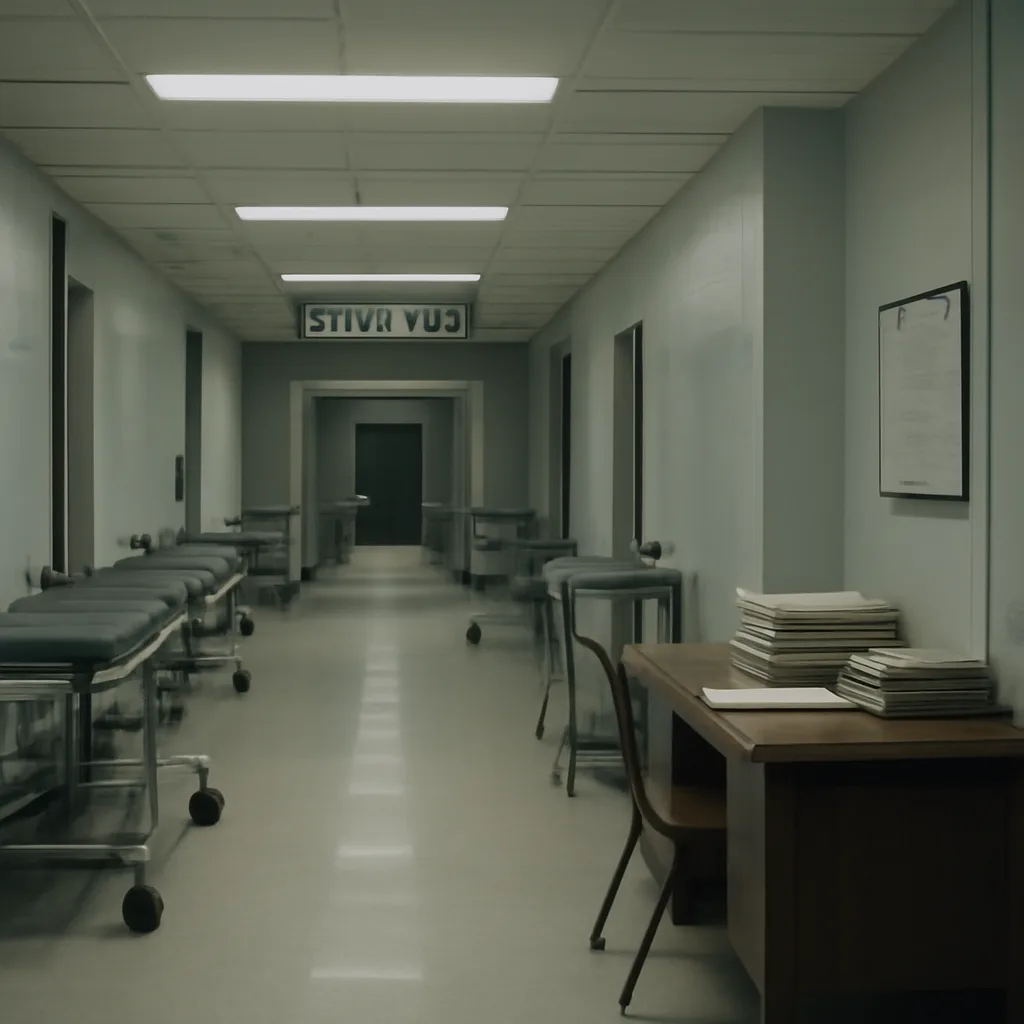
On February 5, 1974, a lawsuit alleging nonconsensual human experimentation was filed in the United States, marking the first confirmed civil case to challenge medical experiments on patients without informed consent.
First Electric Traffic Light Installed in Cleveland, 1914
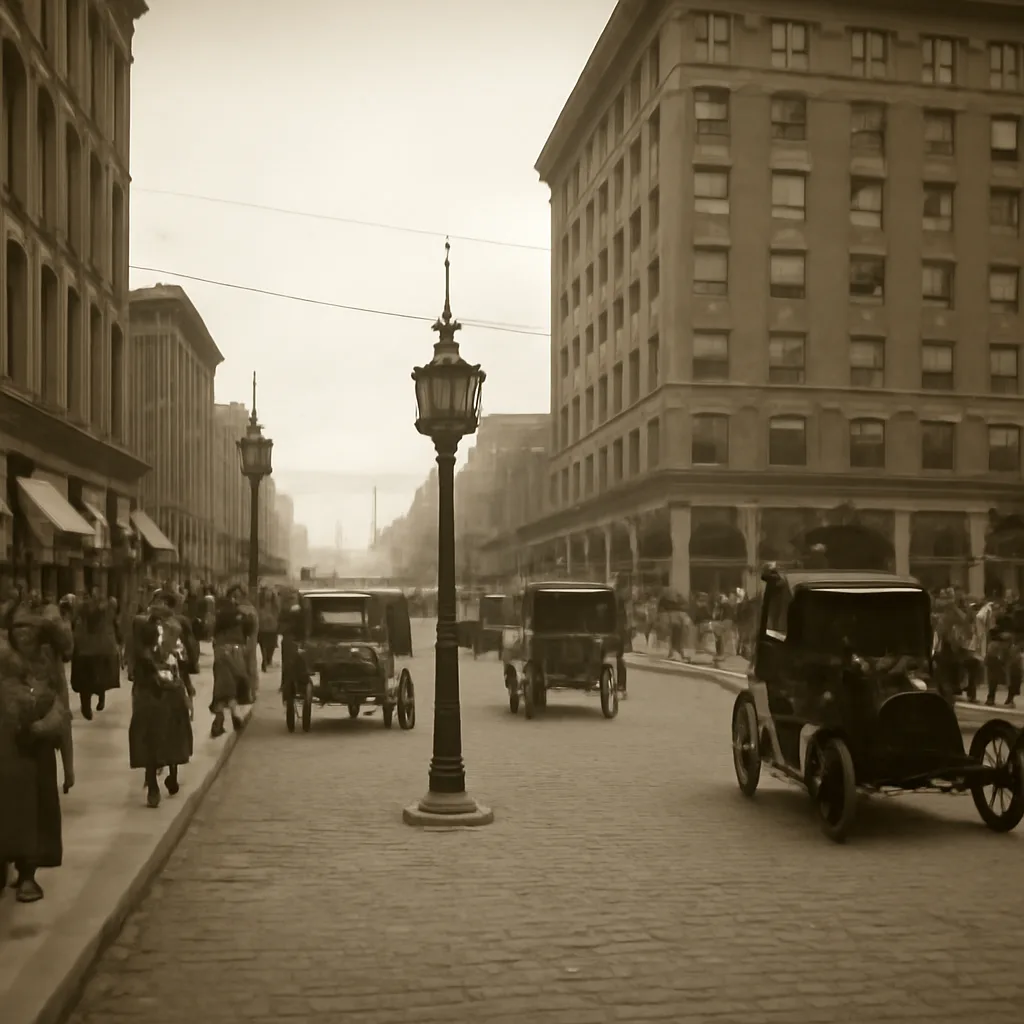
On February 5, 1914, Cleveland, Ohio, saw the installation of what is commonly cited as the first electric traffic light — a two-sided signal mounted outside the Willard Hotel to manage increasingly busy downtown streets.