On this day: January 18
Deflategate controversy erupts during AFC Championship
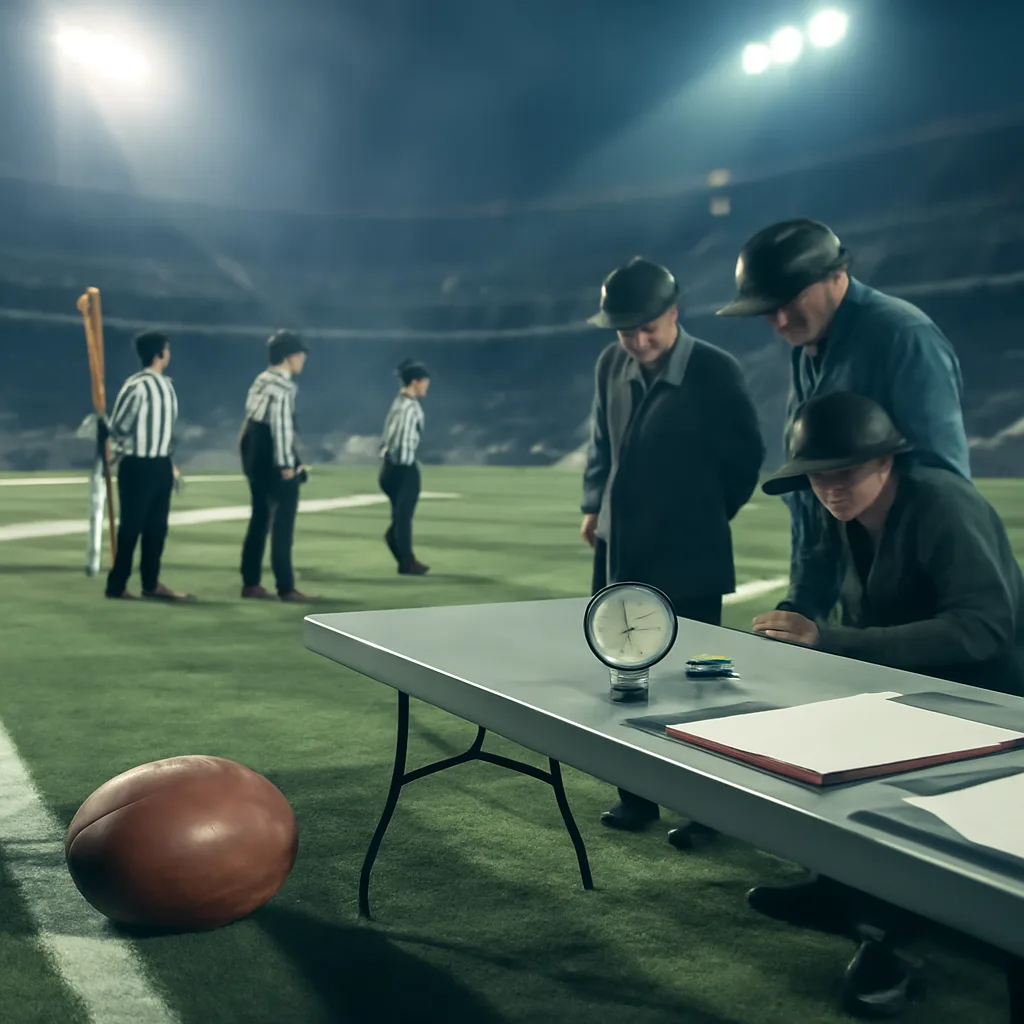
On January 18, 2015, questions about underinflated footballs used by the New England Patriots during the AFC Championship game against the Indianapolis Colts surfaced, touching off a league investigation and months of legal and media battles.
Deflategate controversy erupts after AFC Championship
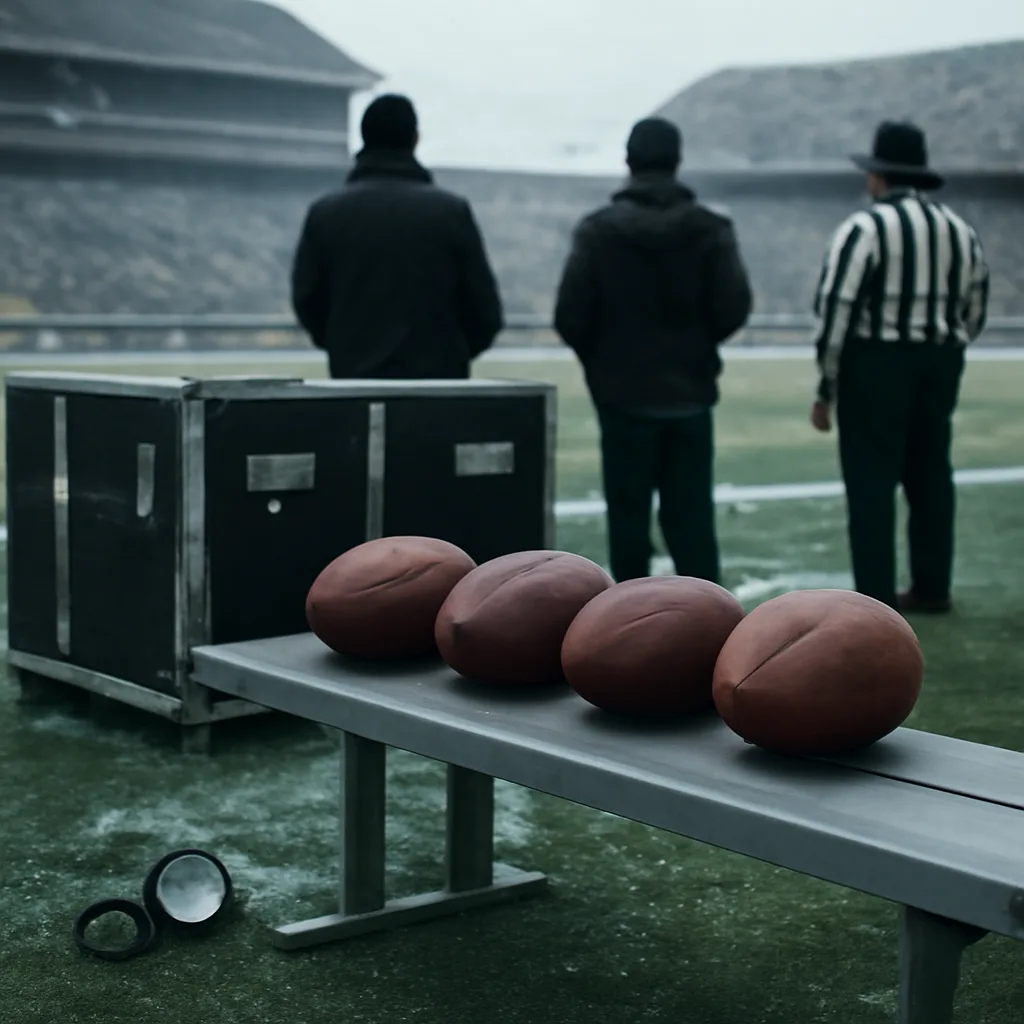
Following the AFC Championship game on January 18, controversy erupted over underinflated footballs used by the New England Patriots, prompting an NFL investigation into equipment tampering that dominated sports news and led to league discipline.
United States Purchases Alaska From Russia, 1867
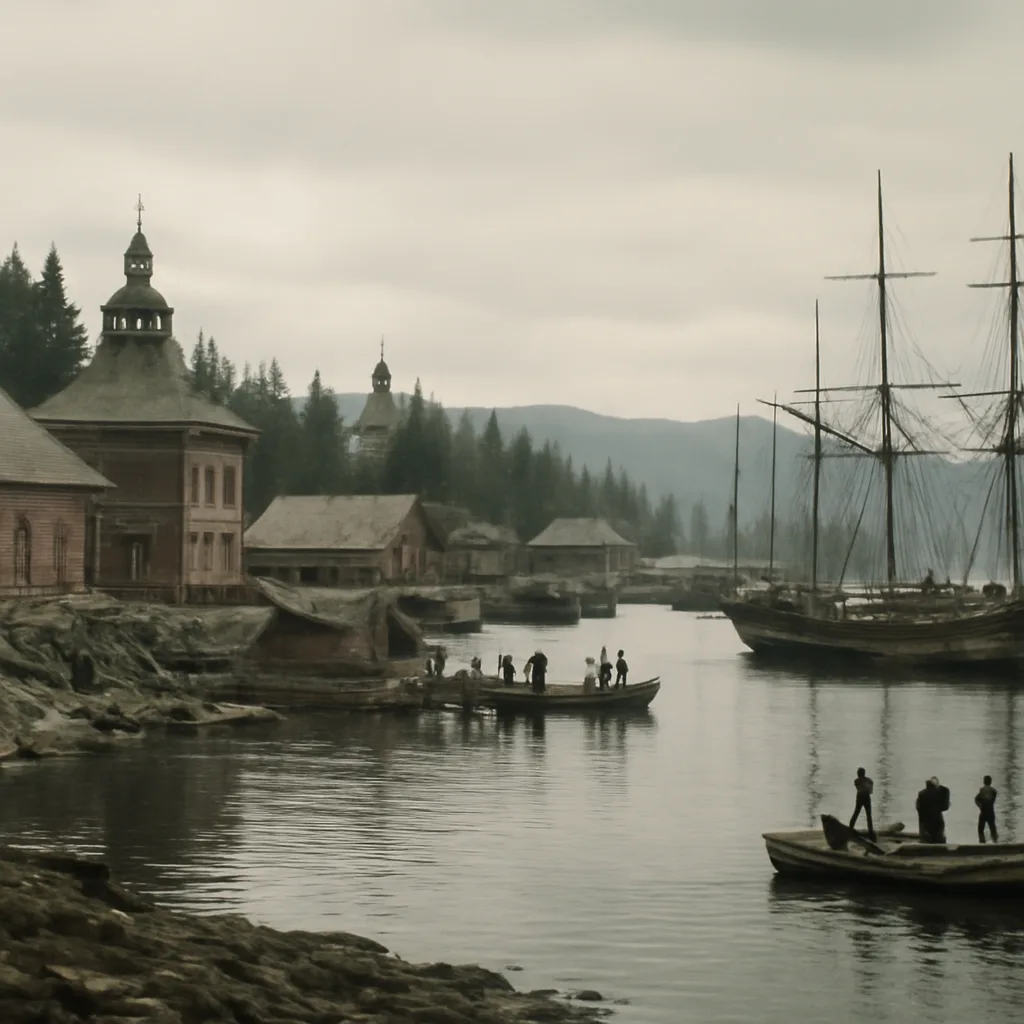
On January 18, 1867, the United States and Russia agreed to the transfer of Alaska, ending Russian colonial rule there; the purchase, negotiated by U.S. Secretary of State William H. Seward, enlarged U.S. territory and sparked contemporary debate over its value.
CIA Releases Files Revealing Cold War Assassination Plots
In January 2007 the CIA declassified documents outlining a range of Cold War-era assassination plots and covert actions considered against foreign leaders and figures, shedding new light on controversial aspects of U.S. covert policy during the 1950s–1970s.
The 2015 'Deflategate' Game: Patriots vs. Colts and the Beginnings of a Controversy
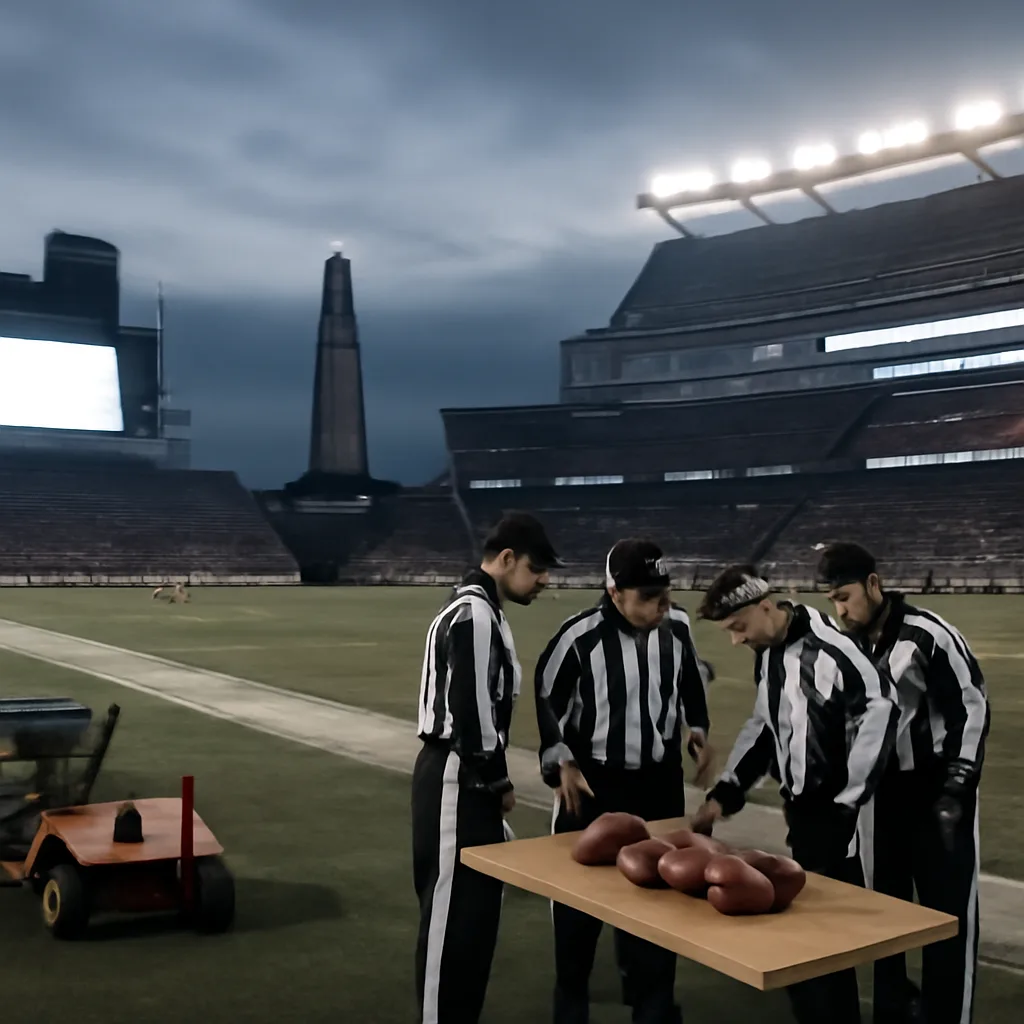
On January 18, 2015, the New England Patriots defeated the Indianapolis Colts in the AFC Championship amid allegations that some Patriots footballs were underinflated — a dispute that led to an extended NFL investigation and legal battles.
Patriots vs. Colts, Jan. 18, 2015: The Game That Sparked 'Deflategate'
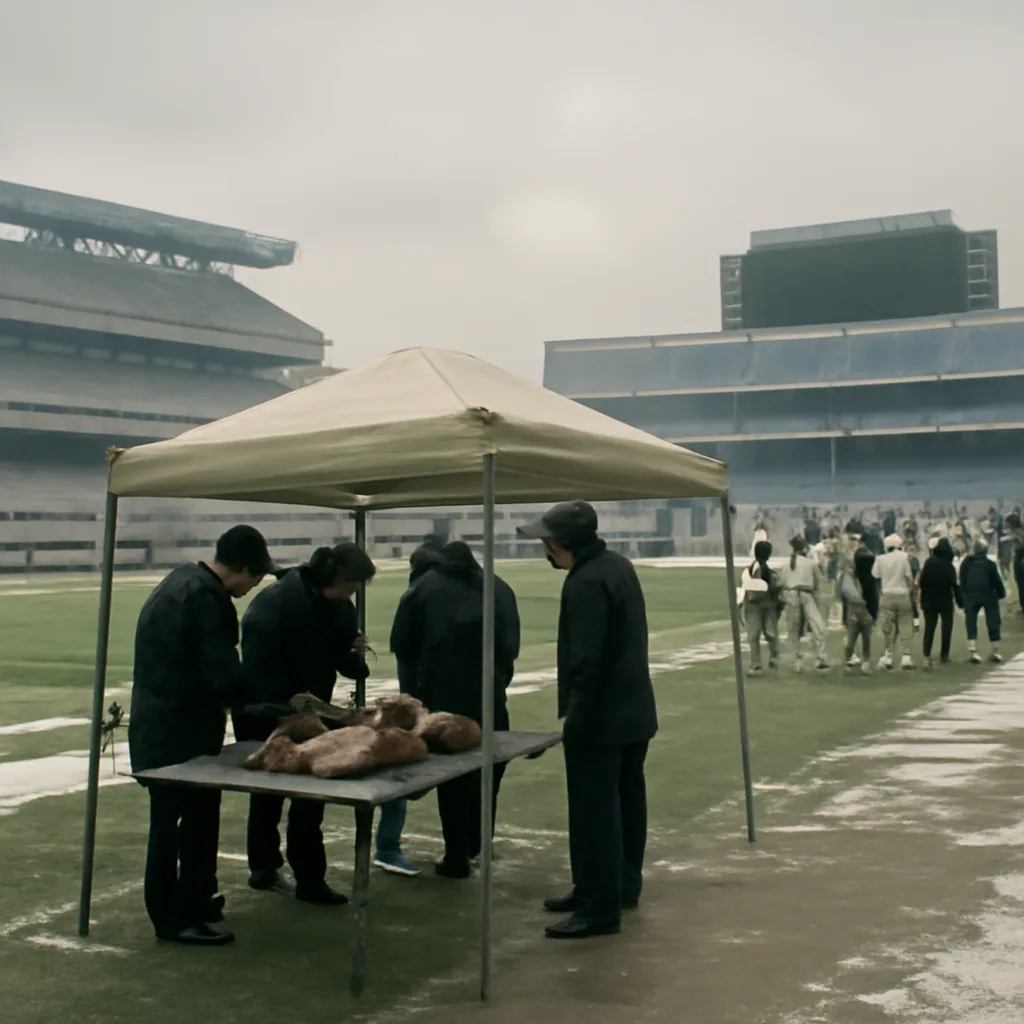
On January 18, 2015, the New England Patriots beat the Indianapolis Colts in an AFC Championship rematch that later became the focal point of the 'Deflategate' controversy over underinflated footballs used by the Patriots.
Arrest of Robert T. Morris Sr.: The First Documented Cybercrime Apprehension (Jan 18, 1983)
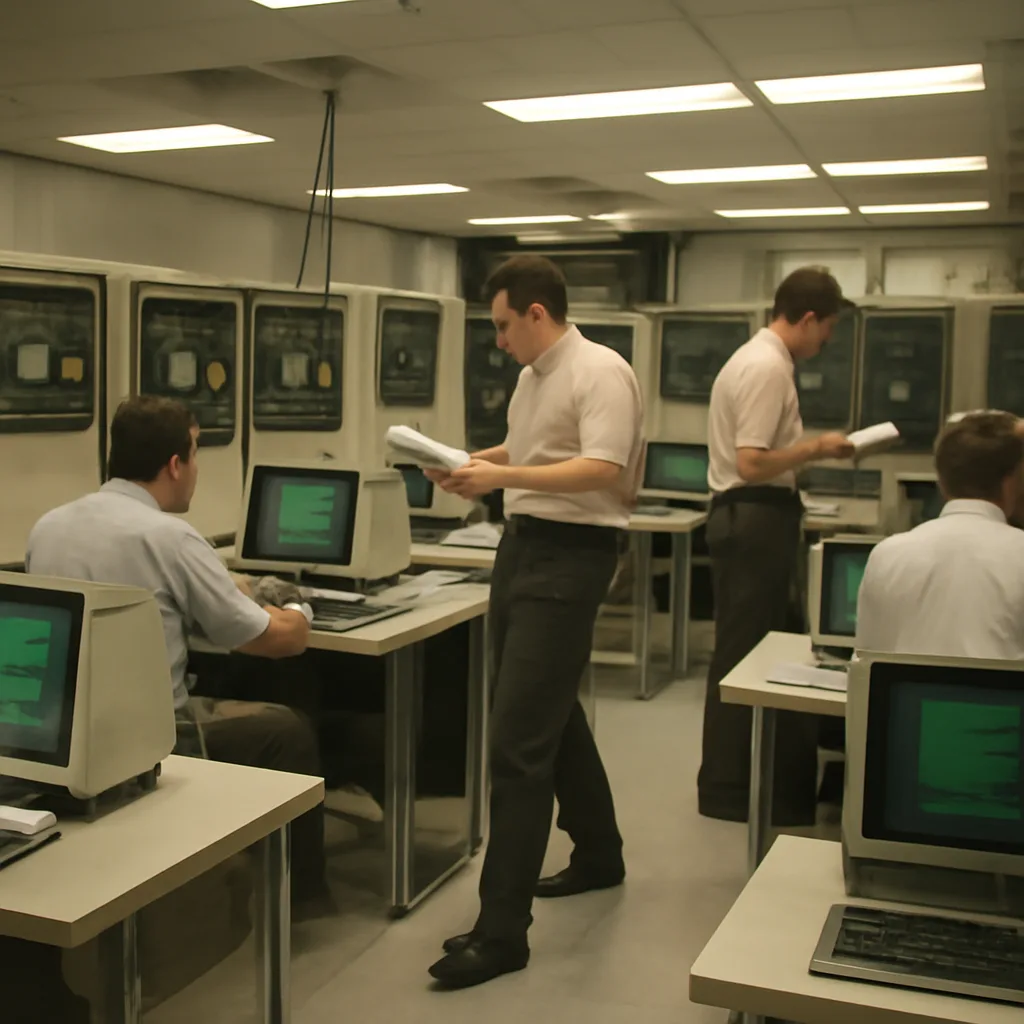
On January 18, 1983, U.S. authorities arrested Robert T. Morris Sr. in connection with an unauthorized attempt to access government computer systems — widely cited as the first documented cybercrime arrest in U.S. history. The case foreshadowed legal and technical debates about computer misuse.
Willie O'Ree Breaks NHL Color Barrier
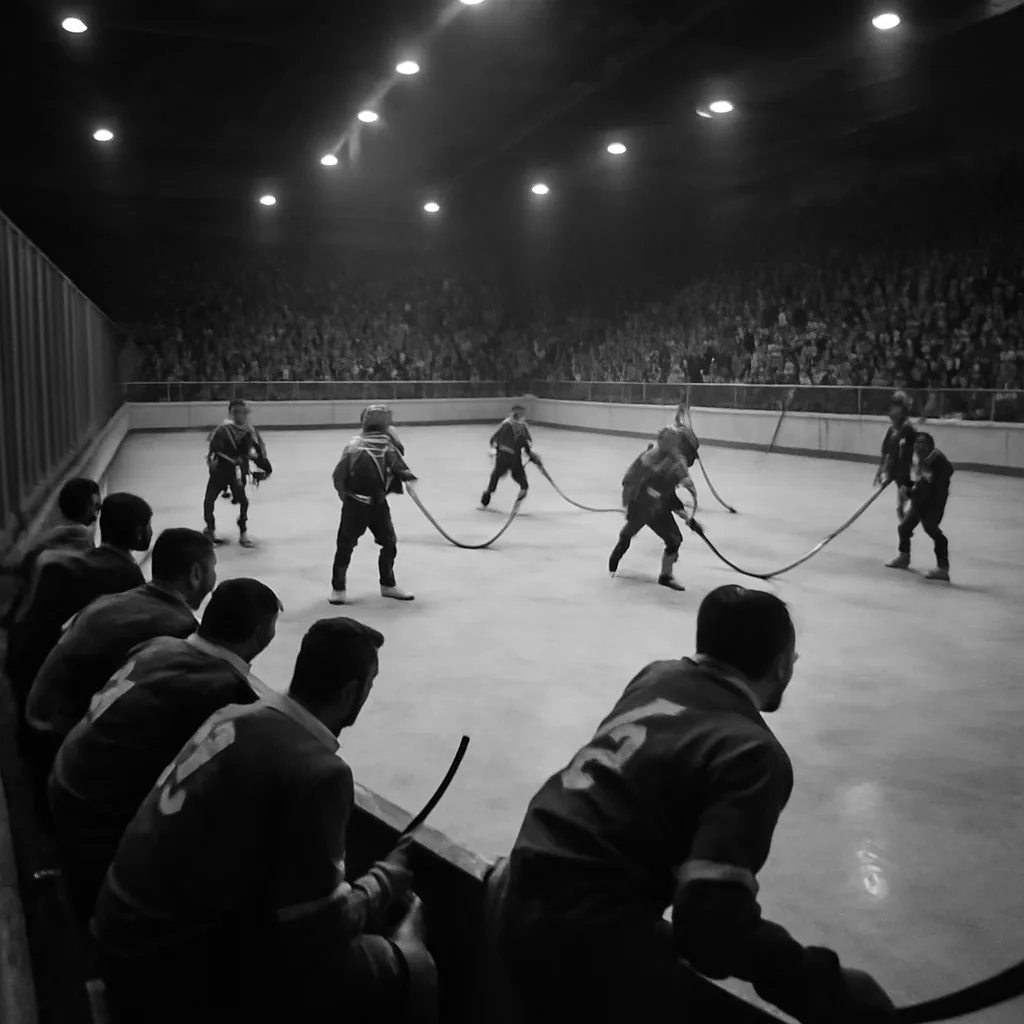
On January 18, 1958, Willie O'Ree became the first Black player to appear in a National Hockey League game, skating for the Boston Bruins in a landmark moment that challenged racial barriers in professional hockey.
Supreme Court Upholds Wartime Exclusion of Japanese Americans
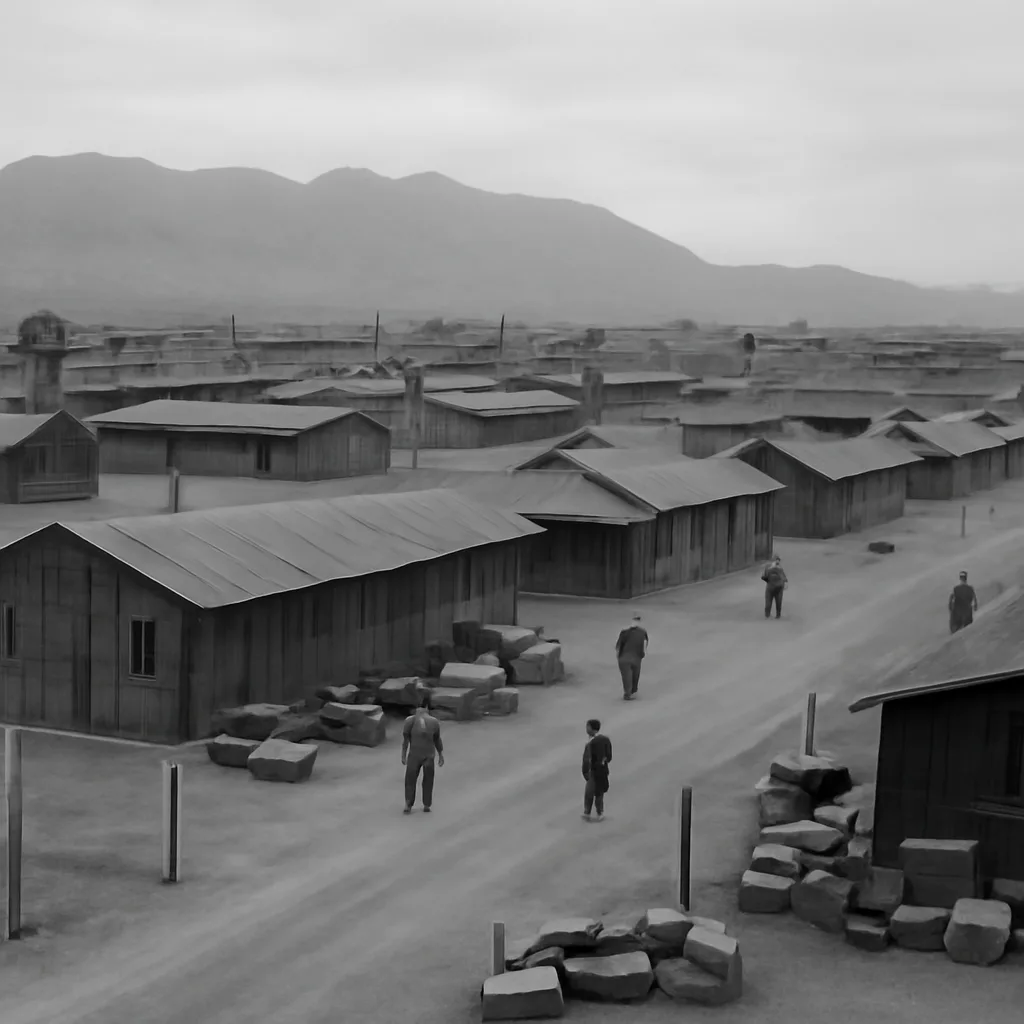
On January 18, 1944, the U.S. Supreme Court upheld the government's World War II policy that led to the forced removal and incarceration of Japanese Americans, ruling that military necessity justified exclusion orders enacted after Pearl Harbor.