On this day: June 4
Ten Cent Beer Night at Cleveland Stadium erupts into a riot
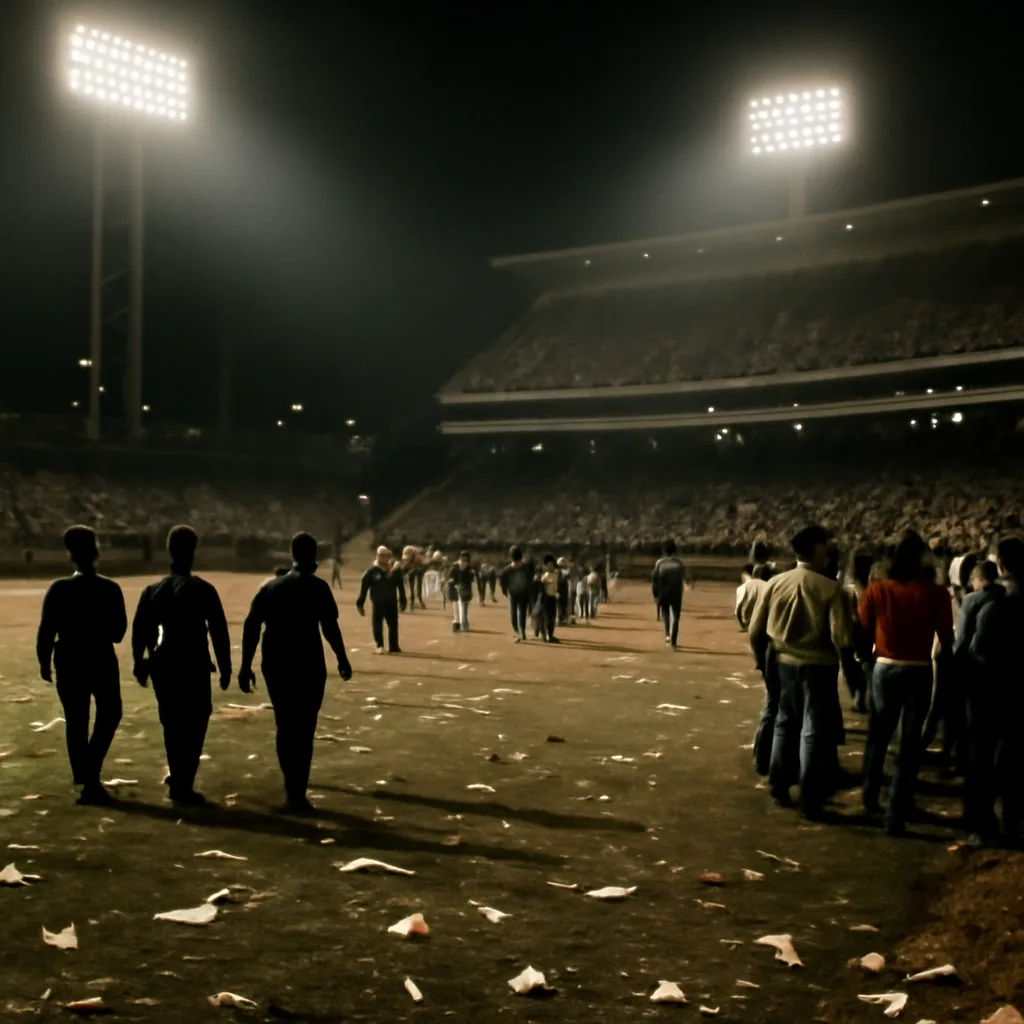
On June 4, 1974, a promotion offering 10-cent draft beer during a Cleveland Indians game at Cleveland Stadium descended into widespread drunken disorder and a pitched brawl between fans and players, leading to injuries, arrests, and the game's forfeiture.
Ten Cent Beer Night at Cleveland Stadium Descends into Riot
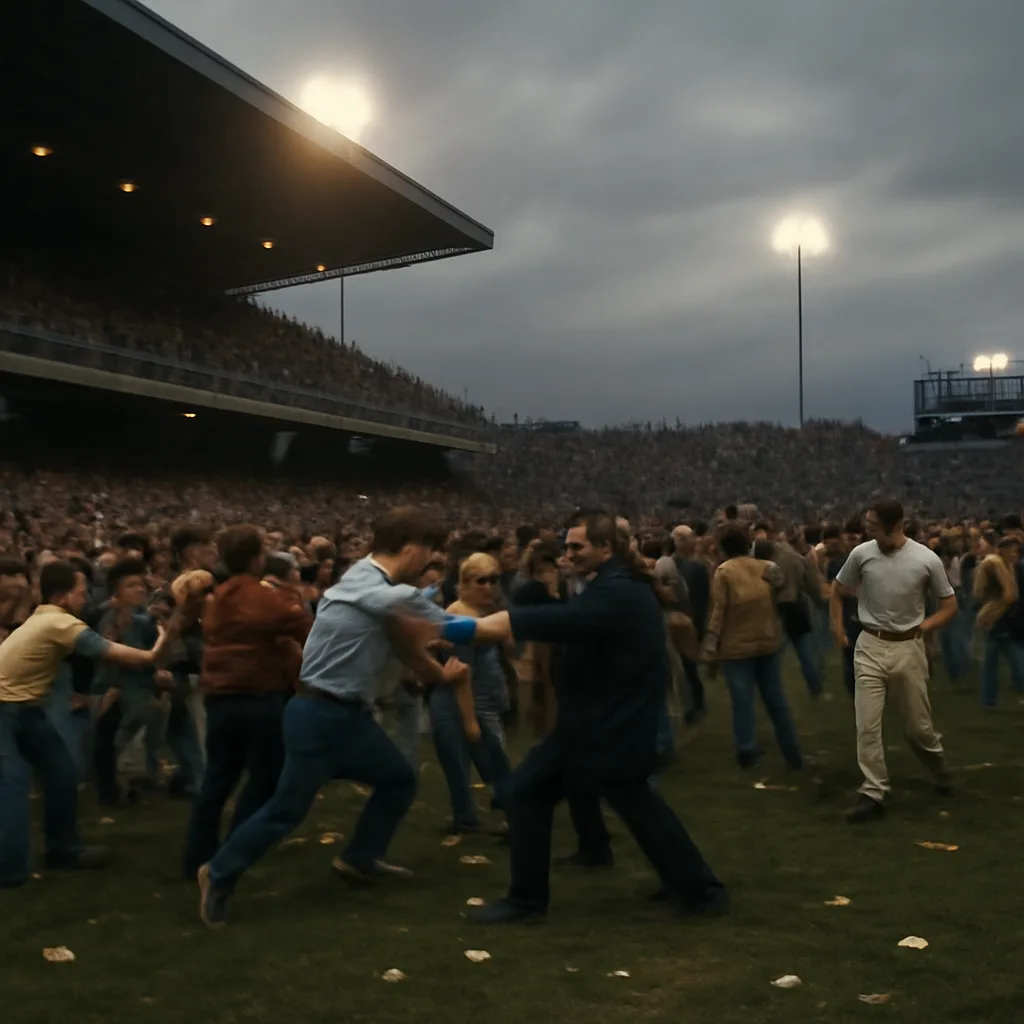
On June 4, 1974, a promotional “Ten Cent Beer Night” during a Cleveland Indians game against the Texas Rangers escalated into a large, violent brawl between fans and players, forcing the game’s forfeiture and leaving dozens injured and dozens arrested.
Referee Arrested in 2007 Sting on Illegal Gambling Ring
A sports referee was arrested June 4, 2007, accused of operating or participating in an illegal gambling ring tied to sports betting. Authorities say the arrest followed an investigation into organized wagering; details about charges and outcomes vary by report.
Supreme Court Upholds Landmark Film Censorship Ruling
On June 4 in U.S. history, the Supreme Court issued a major decision affirming state authority to censor films, marking a pivotal moment in the legal regulation of motion pictures and shaping early 20th-century free-speech debates.
First Public Performance Featuring an Electric Guitar Startles 1938 Audiences
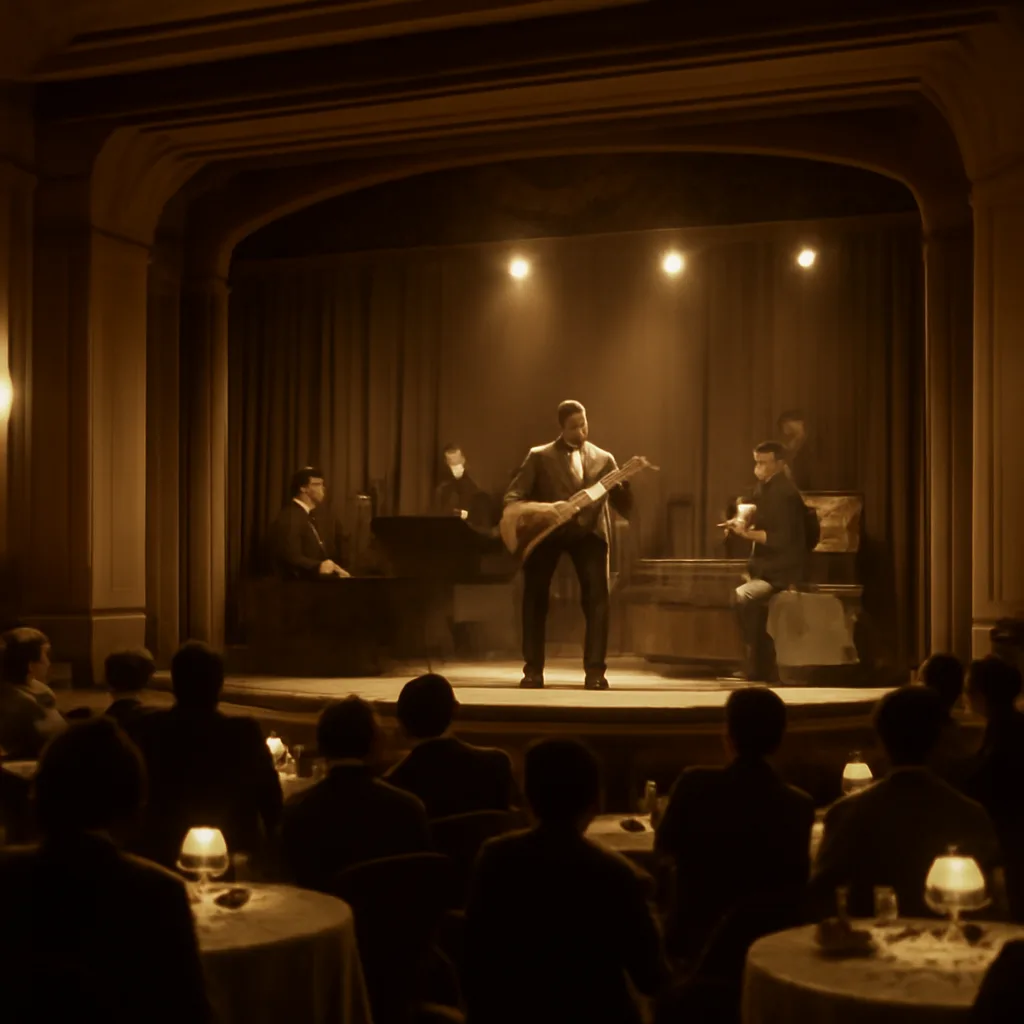
On June 4, 1938, a public concert in Los Angeles featured an amplified electric guitar—an early commercial pickup fitted to a guitar—introducing amplified string sound to mainstream audiences and provoking surprise and debate about modern music technology.
U.S. Supreme Court Upholds First Major Film Censorship Decision
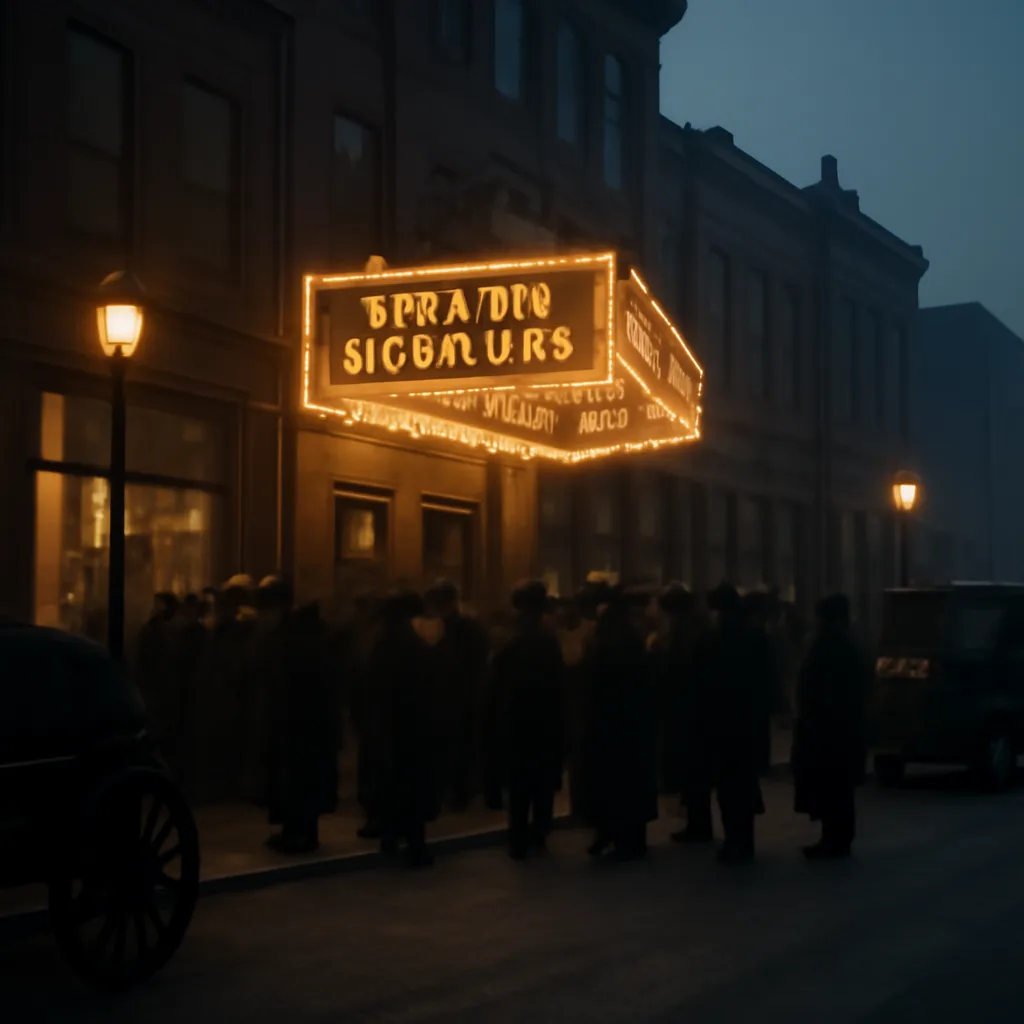
On June 4, 1915, the U.S. Supreme Court in Mutual Film Corp. v. Industrial Commission of Ohio affirmed that motion pictures were not protected by the First Amendment, clearing the way for state and local censorship of films.
Beijing moves to suppress pro-democracy protests after weeks of demonstrations
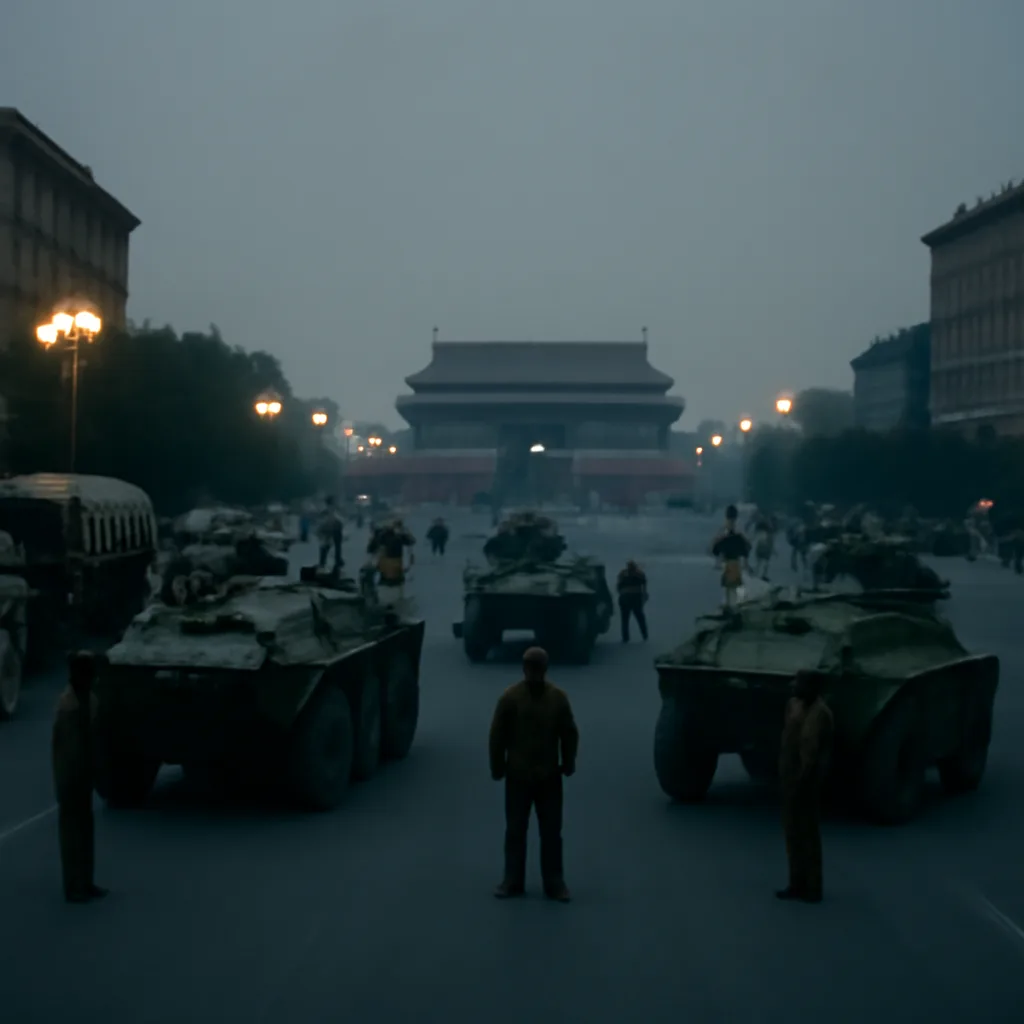
On June 4, 1989, Chinese authorities launched a large-scale military operation to clear pro-democracy protesters from central Beijing, following weeks of demonstrations centered on Tiananmen Square and other cities across China.
Chinese government crushes pro-democracy demonstrations in Beijing’s Tiananmen Square, June 4, 1989
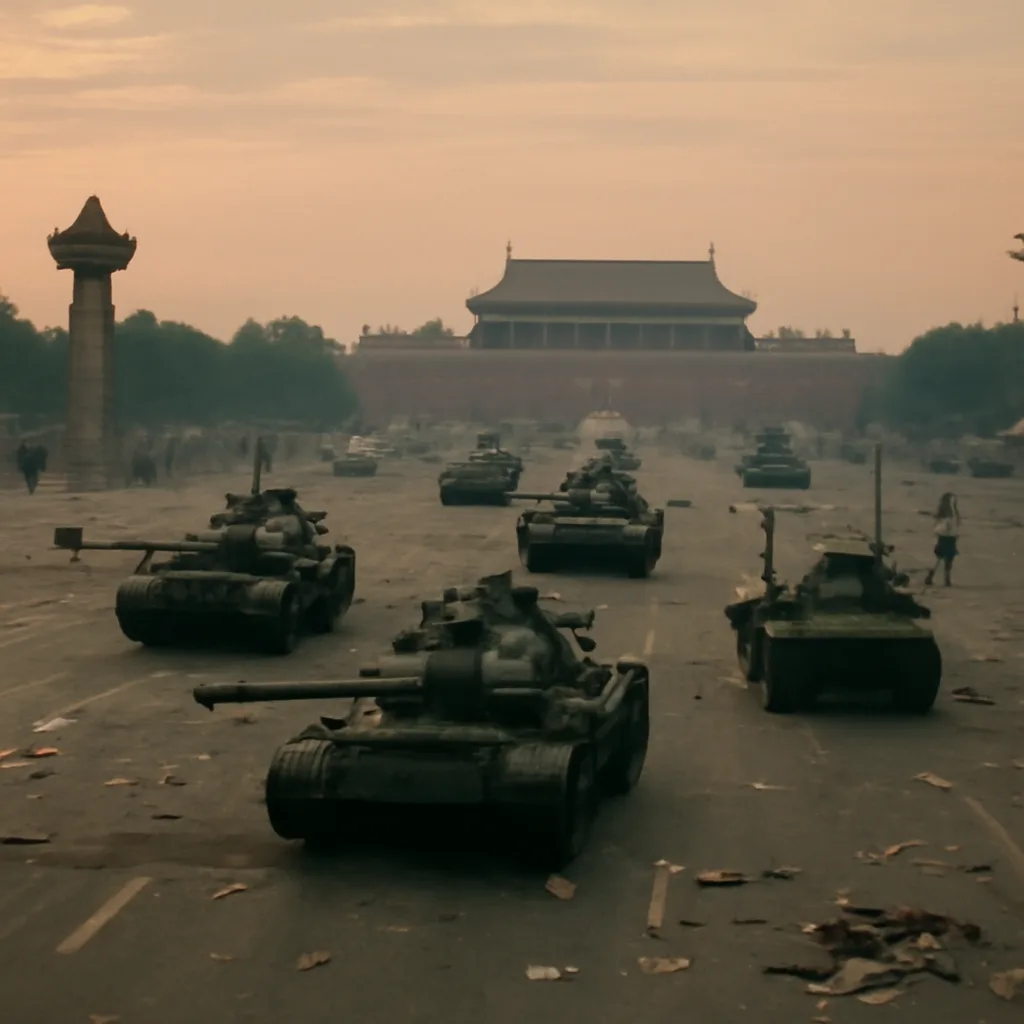
On June 4, 1989, Chinese armed forces moved into Beijing to clear Tiananmen Square and surrounding areas, using lethal force against pro-democracy protesters and bystanders—an event that resulted in a disputed but significant number of deaths and a nationwide crackdown.
Court Upholds First Use of Electric Chair in 1890
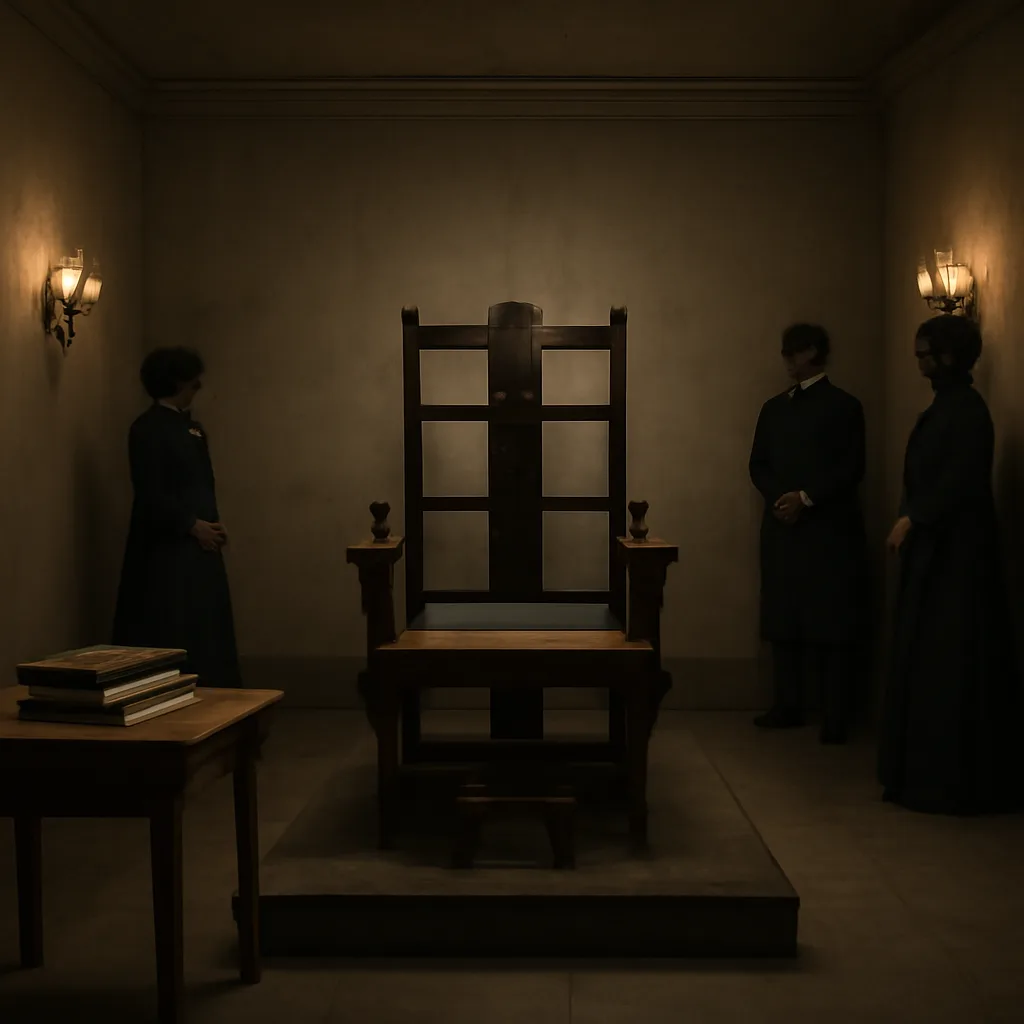
On June 4, 1890, a U.S. court affirmed the legality of the electric chair’s initial application, cementing a controversial new method of execution that emerged amid late-19th-century debates over humane punishment and technological progress.