On this day: May 14
The First Documented School Mass Hysteria: An Incident from May 14, 1965

On May 14, 1965, a cluster of unexplained fainting and seizure-like episodes at a U.S. elementary school prompted medical and social inquiry; the event is widely cited as an early documented case of mass psychogenic illness in a school setting.
The 1900 Paris Games: The First Olympics of the Modern Era
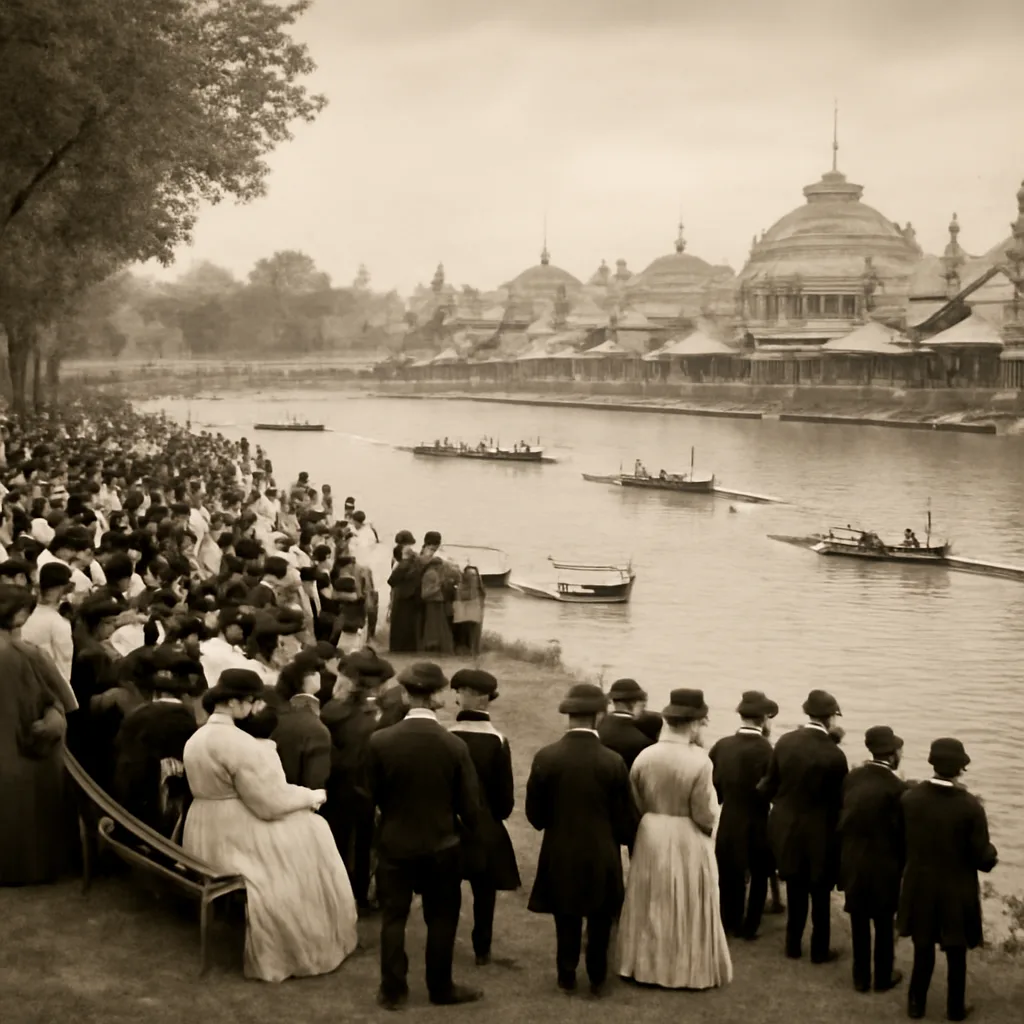
On 14 May 1900, as part of the Paris Exposition, international athletic competitions commonly later called the second modern Olympic Games opened in Paris, marking an early and informal stage in the revival of the Olympic movement.
U.S. Authorities Bring First Major Identity-Theft Case to Trial

On May 14, 1939, federal prosecutors in New York pursued one of the earliest large-scale identity-fraud prosecutions, alleging a ring used stolen personal information to open accounts and obtain credit—an early precedent in financial-crime law enforcement.
Scientists Propose First Human Genome Sequencing Project
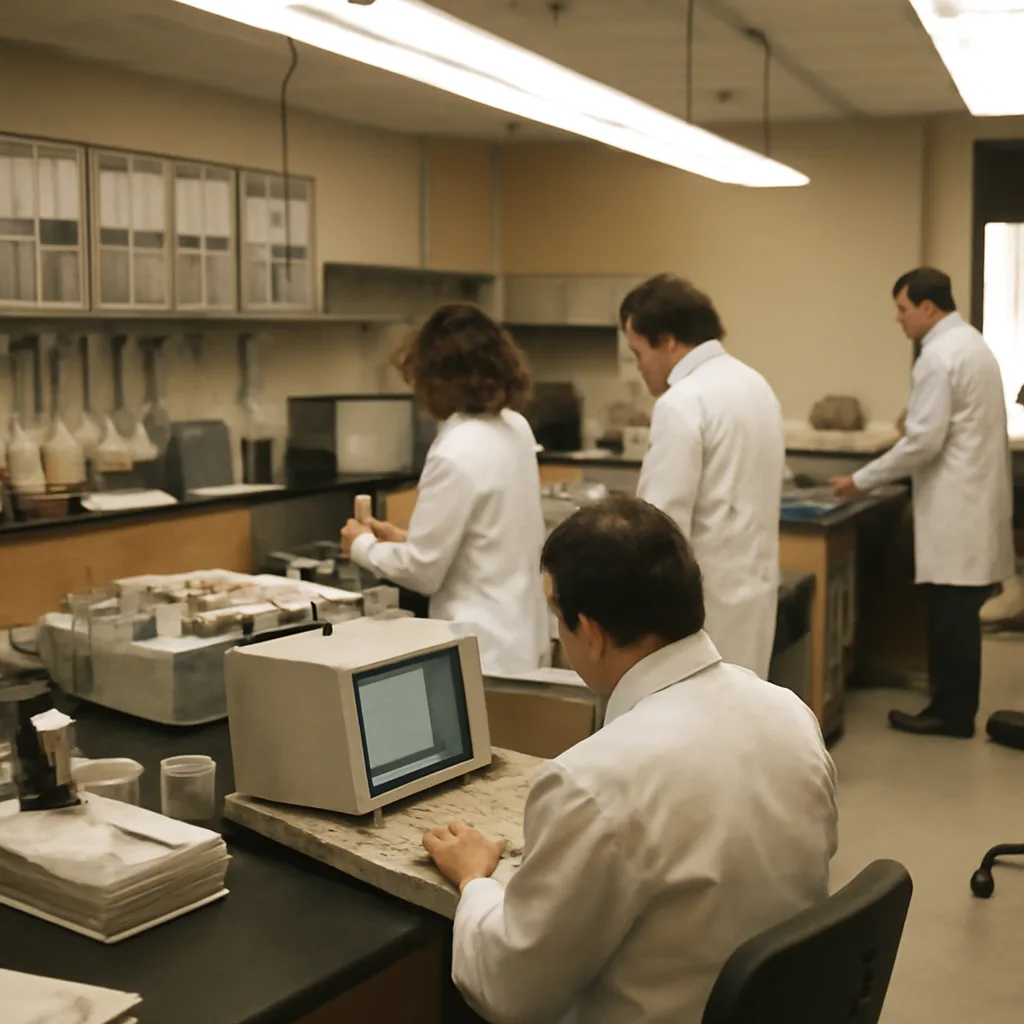
On May 14, 1985, researchers proposed a large-scale effort to sequence the entire human genome, laying conceptual groundwork for what became the Human Genome Project and sparking debates about feasibility, cost, and ethical implications.
How the FBI’s Ten Most Wanted List Began, May 14, 1950
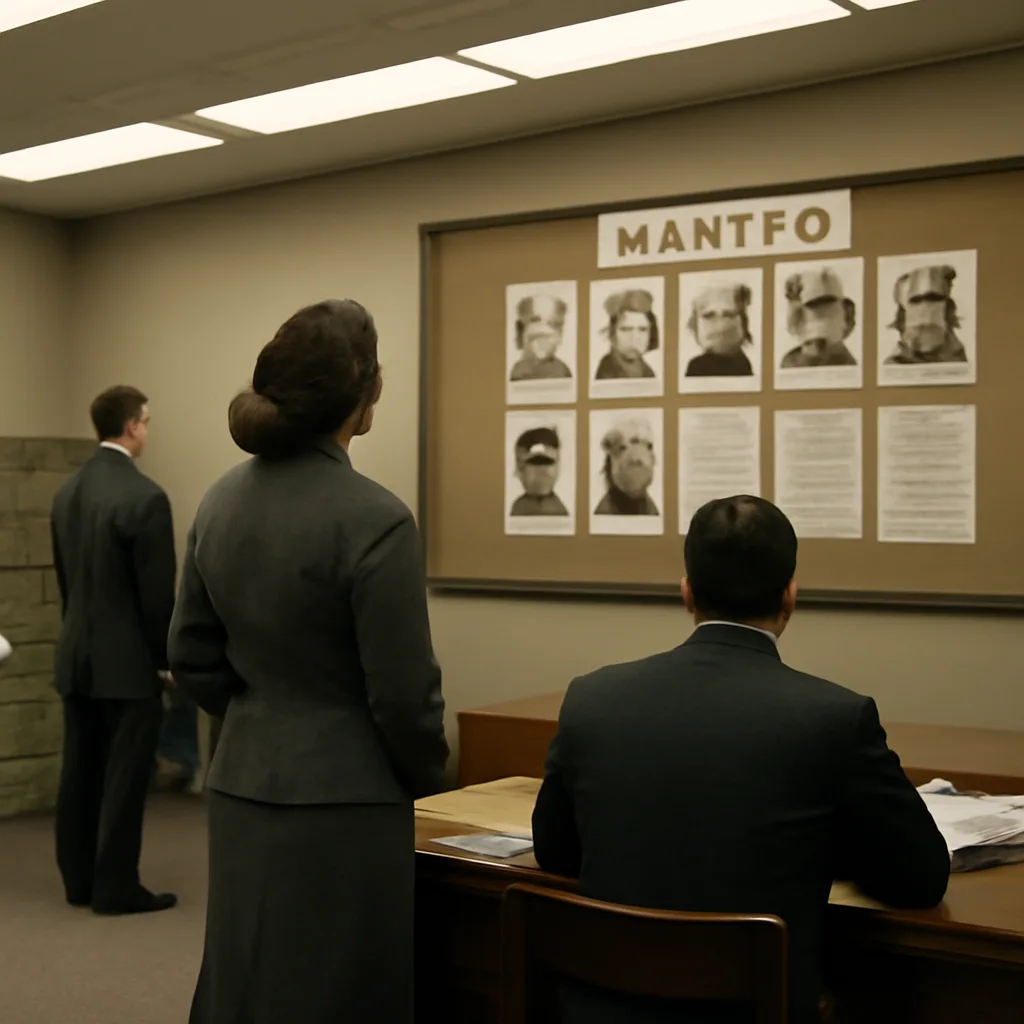
On May 14, 1950, the FBI formally launched its Ten Most Wanted Fugitives list to enlist the public’s help in capturing dangerous fugitives; the list grew from a practical publicity effort sparked by a newspaper reporter’s suggestion and J. Edgar Hoover’s approval.
First Modern Television Game Show Debuts on May 14, 1956

On May 14, 1956, a program widely regarded as the first modern television game show premiered, introducing new formats and production techniques that shaped TV entertainment in the years that followed.
Pivotal 1917 Facial Reconstruction Surgery Aids Wounded Soldier
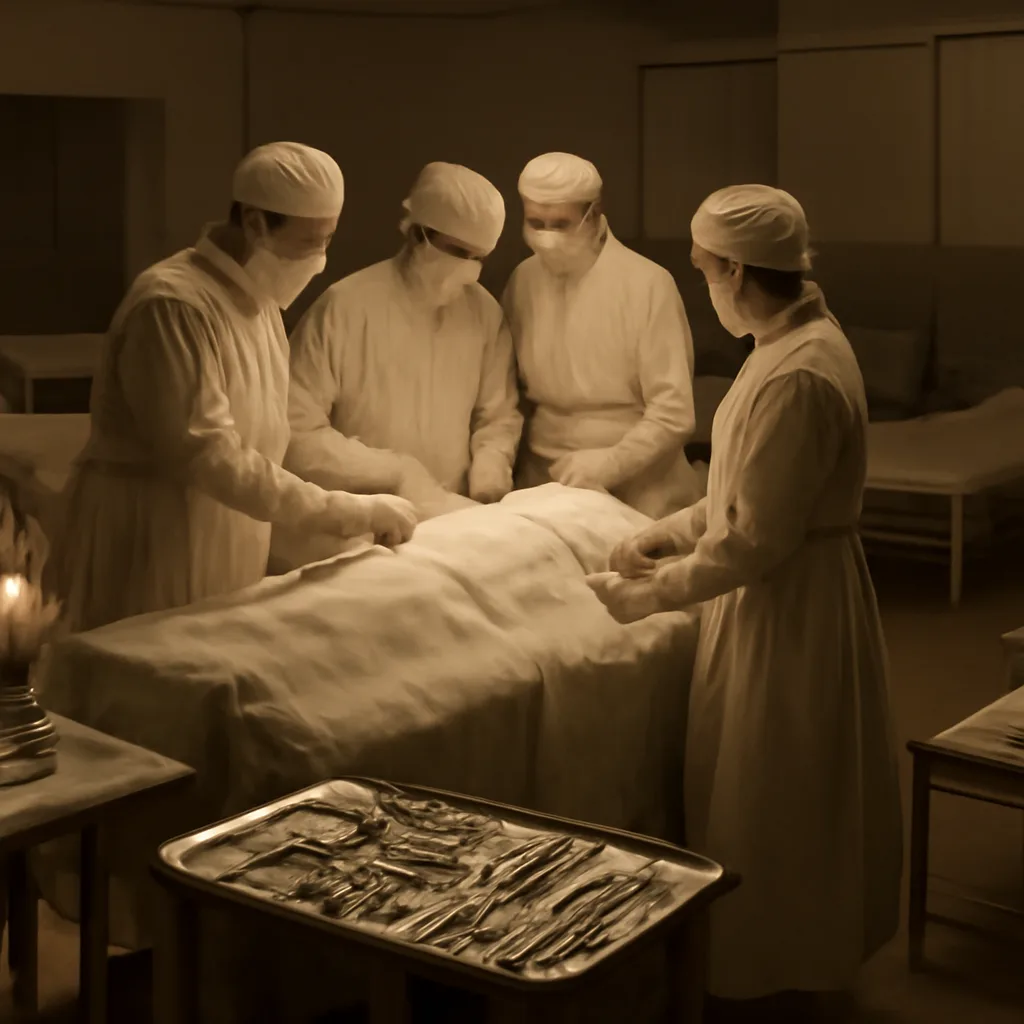
On May 14, 1917, surgeons performed one of the earliest documented successful facial reconstruction procedures on a soldier wounded in World War I, marking an important step in restorative wartime surgery and the development of reconstructive techniques.
Earliest documented instance of a cult leader claiming divinity: Archbishop Paulicians' leader (9th century) often cited
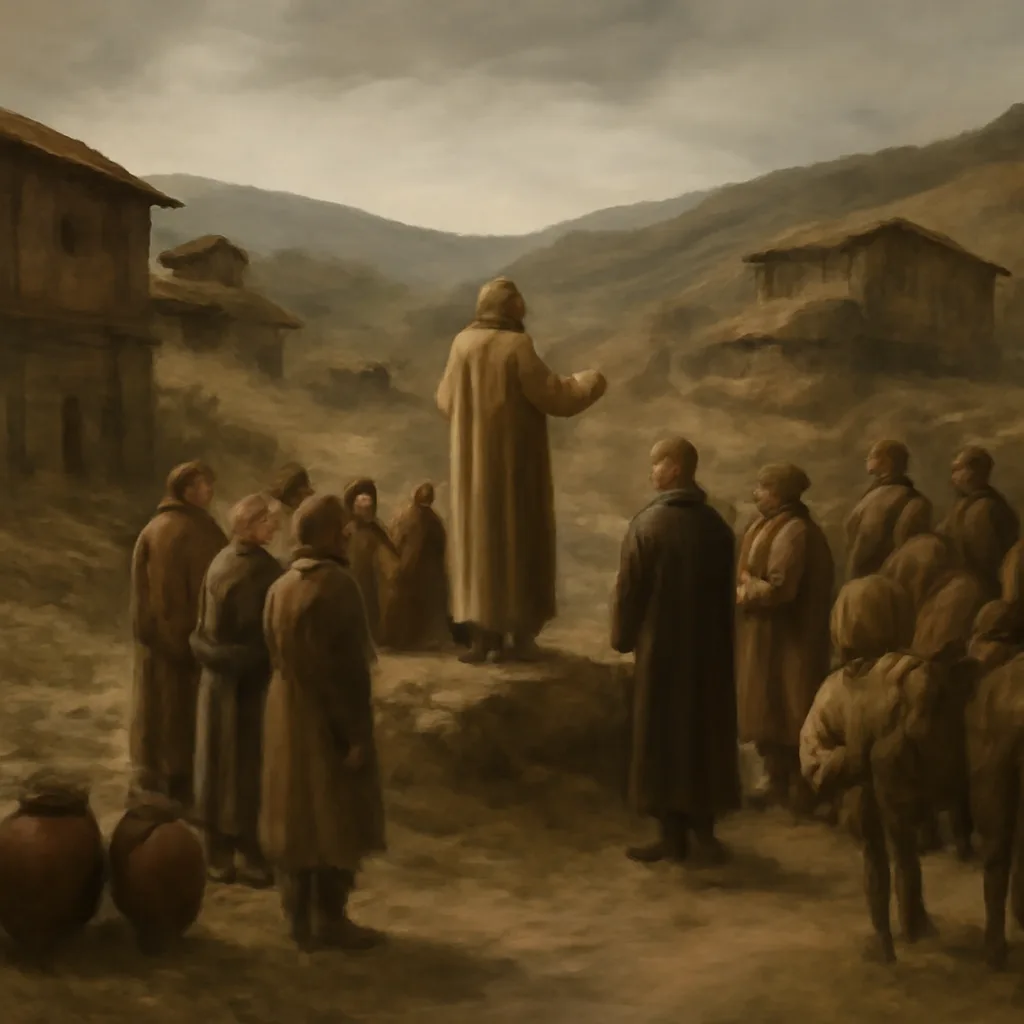
Scholars trace early documented claims of divine status by charismatic sect leaders to medieval Christian heterodox movements; one commonly cited example is a 9th-century Paulician leader whose followers treated him as a divinely appointed intermediary, though sources are fragmentary and contested.