On this day: May 21
Residents Evacuate After Ground Movement Reported in Small Town

On May 21, 2014, local authorities ordered an evacuation after residents reported unusual ground movement and audible rumbling. Officials cited safety concerns while geologists and emergency crews investigated possible causes including landslide, subsidence, or seismic activity.
First documented case of radioactive contamination in food, May 21, 1957

On May 21, 1957, officials reported the first widely recognized incident of radioactive contamination entering the food supply when fallout from British nuclear tests above the Montebello Islands in Western Australia contaminated local livestock and dairy, prompting public alarm and regulatory response.
The 1934 Prison Uprising That Shaped Modern Penology
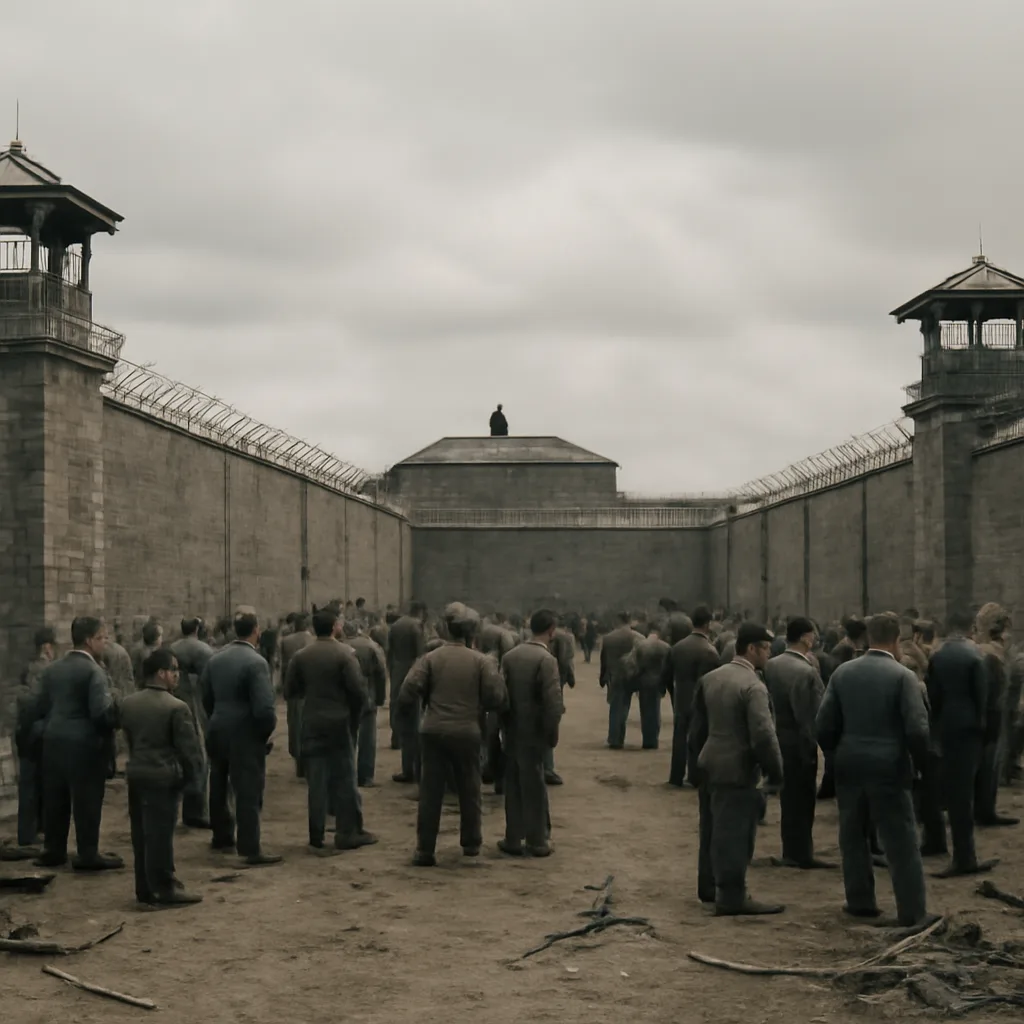
On May 21, 1934, inmates at San Quentin and other U.S. prisons sparked a series of coordinated disturbances that historians regard as the first documented example of a modern prison riot—marked by organized resistance, demands for reform, and a lasting impact on corrections policy.
1933: First documented deaths linked to a slimming drug

On May 21, 1933, medical reports tied deaths to an early appetite-suppressant compound sold as a weight-loss aid, marking one of the first recorded fatal outcomes associated with diet drugs and prompting early public-health concern.
Charles Lindbergh Completes First Solo Nonstop Transatlantic Flight
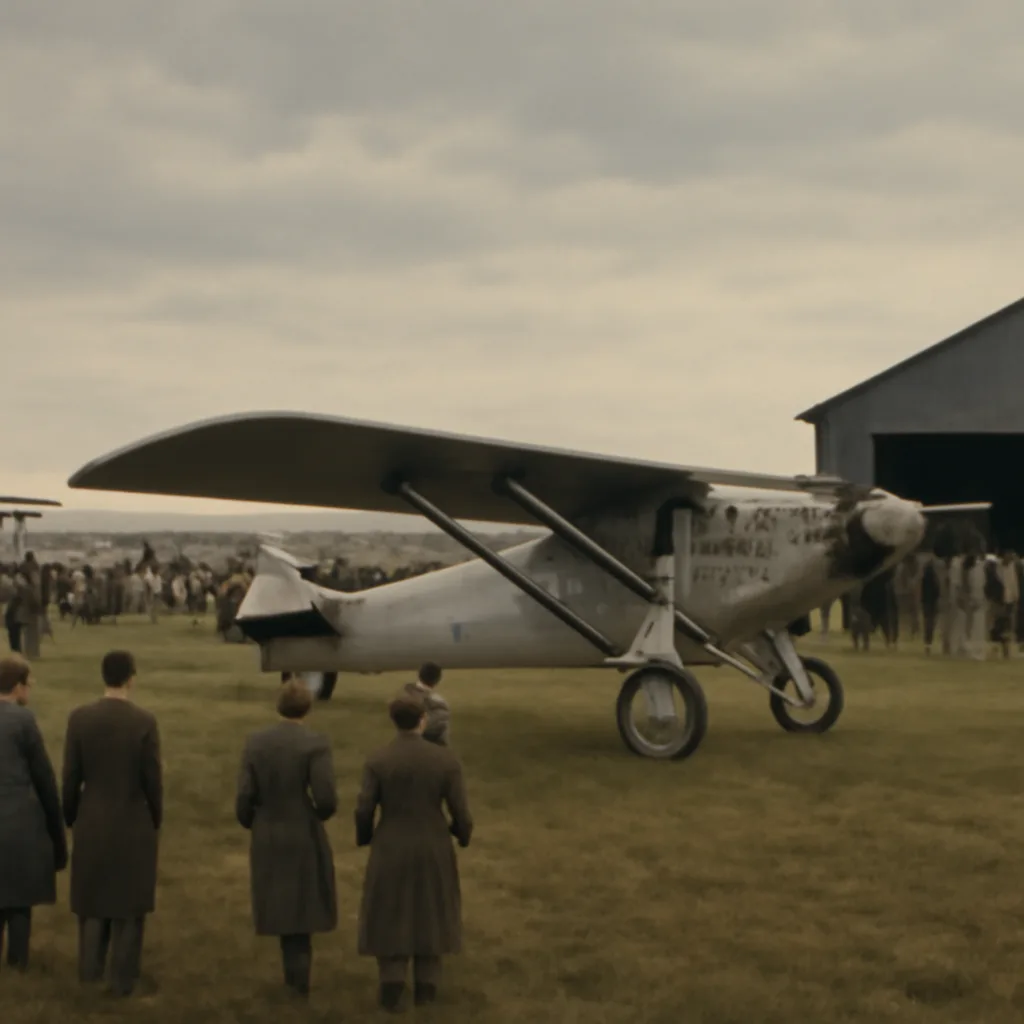
On May 21, 1927, Charles A. Lindbergh landed in Paris after flying solo nonstop from New York to Paris in the single-engine monoplane Spirit of St. Louis, marking the first solo transatlantic crossing and a landmark in aviation history.
Britain's First Automobile Speed Limit Takes Effect, 1901
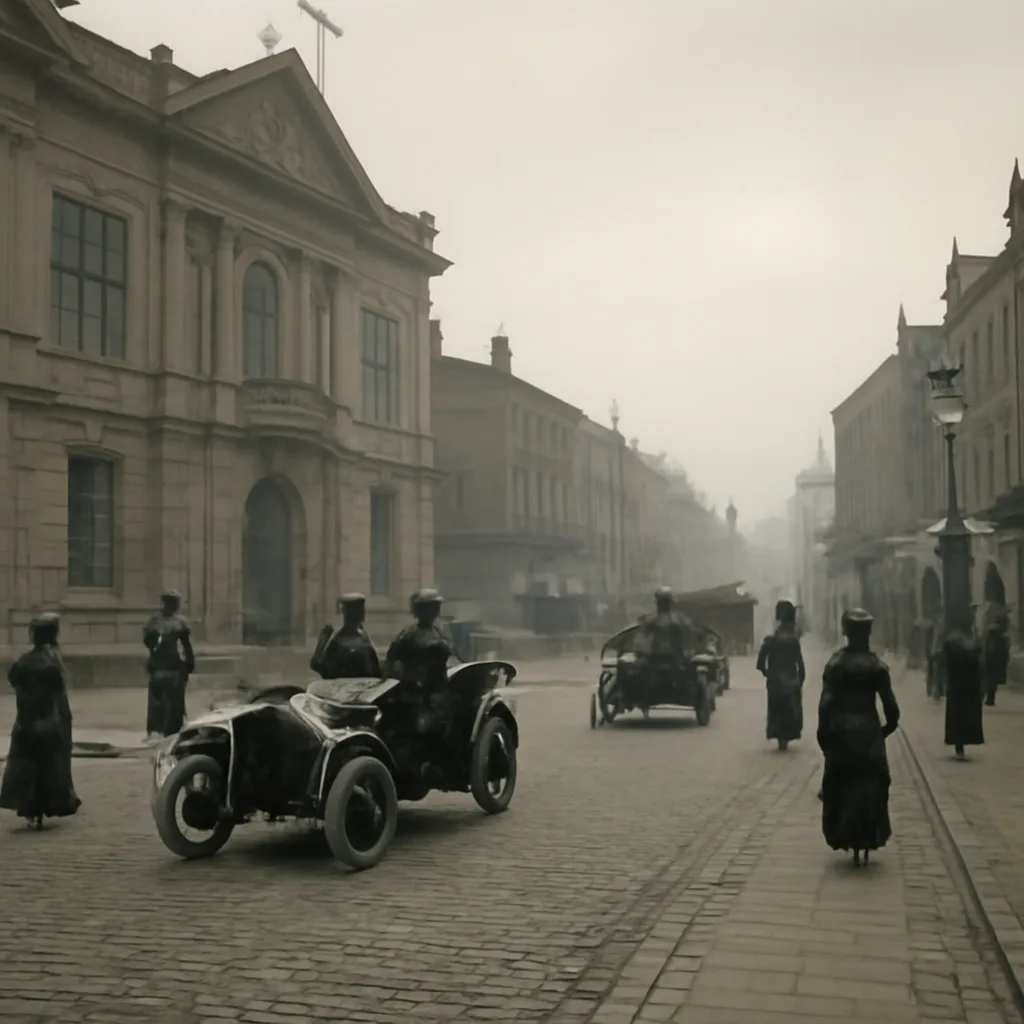
On May 21, 1901, the British Motor Car Act established the first national speed limit for motor vehicles—20 mph—marking a pivotal moment in regulating early automotive travel and public safety.
Europe’s First Regular Public Television Service Begins in 1931
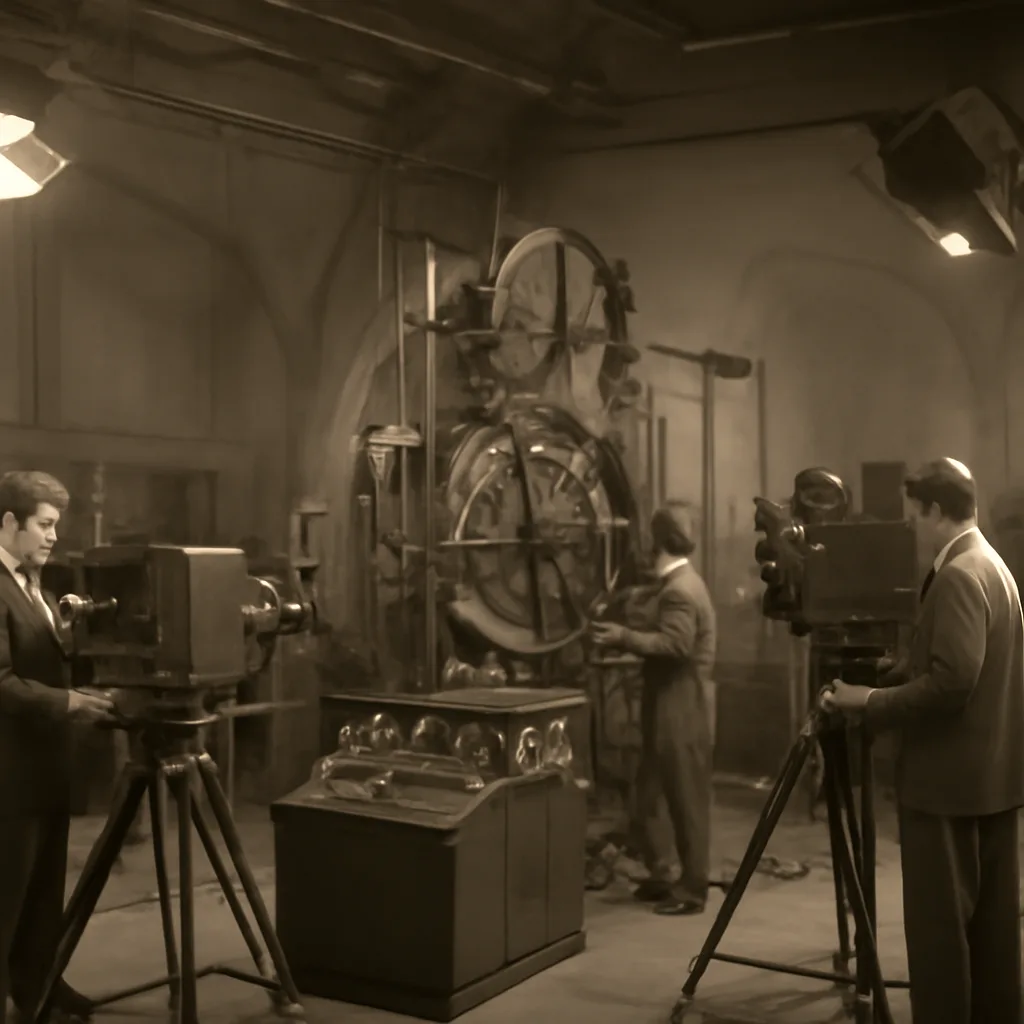
On 21 May 1931 a public television service began regular broadcasts from London’s BBC studios, marking Europe’s first scheduled public television transmission and a milestone in broadcasting history.
Television's First Modern News Anchor Debuts on May 21, 1948
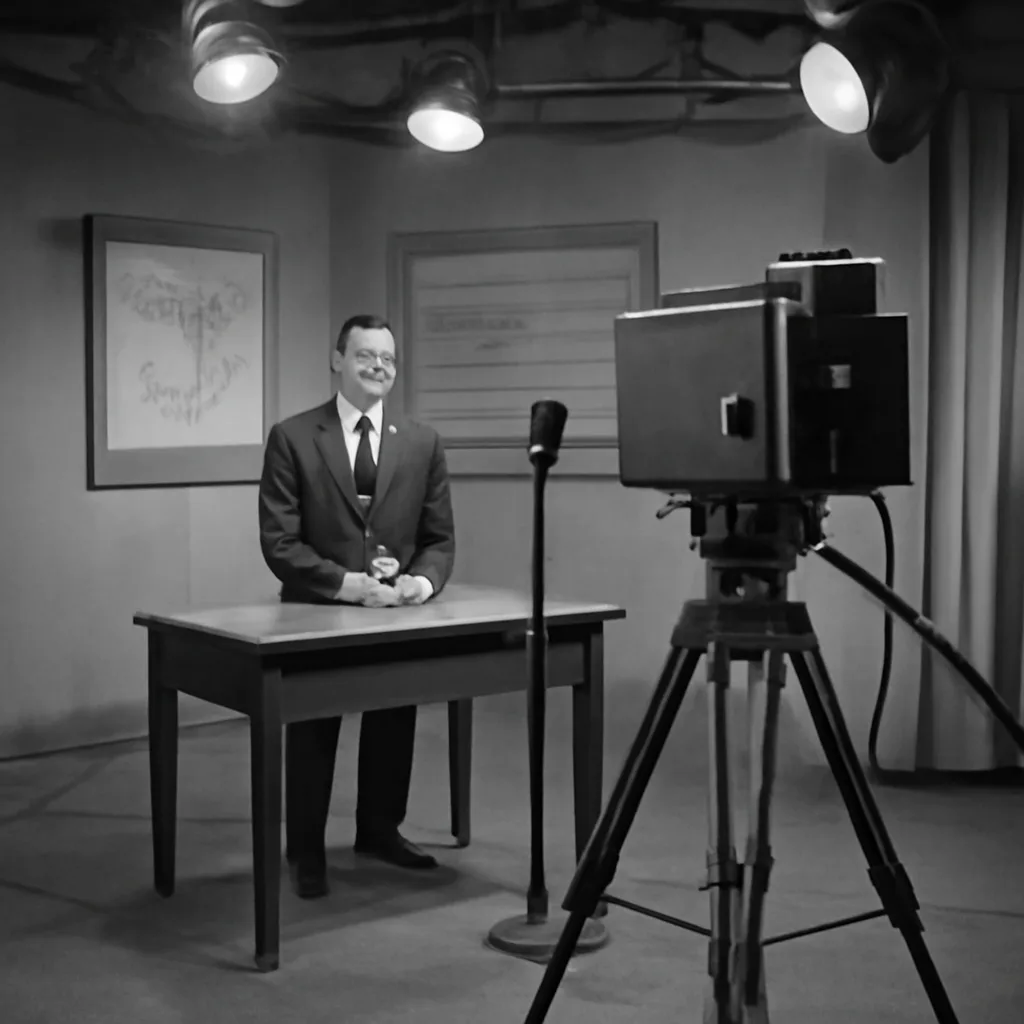
On May 21, 1948, television broadcaster John Daly anchored the first regularly scheduled television news program presented in a format recognizable today, marking a key step in the shift of news delivery from radio and print to television.