
07/24/1904 • 4 views
1904 Olympic Marathoner Collapses Dehydrated and Hallucinating
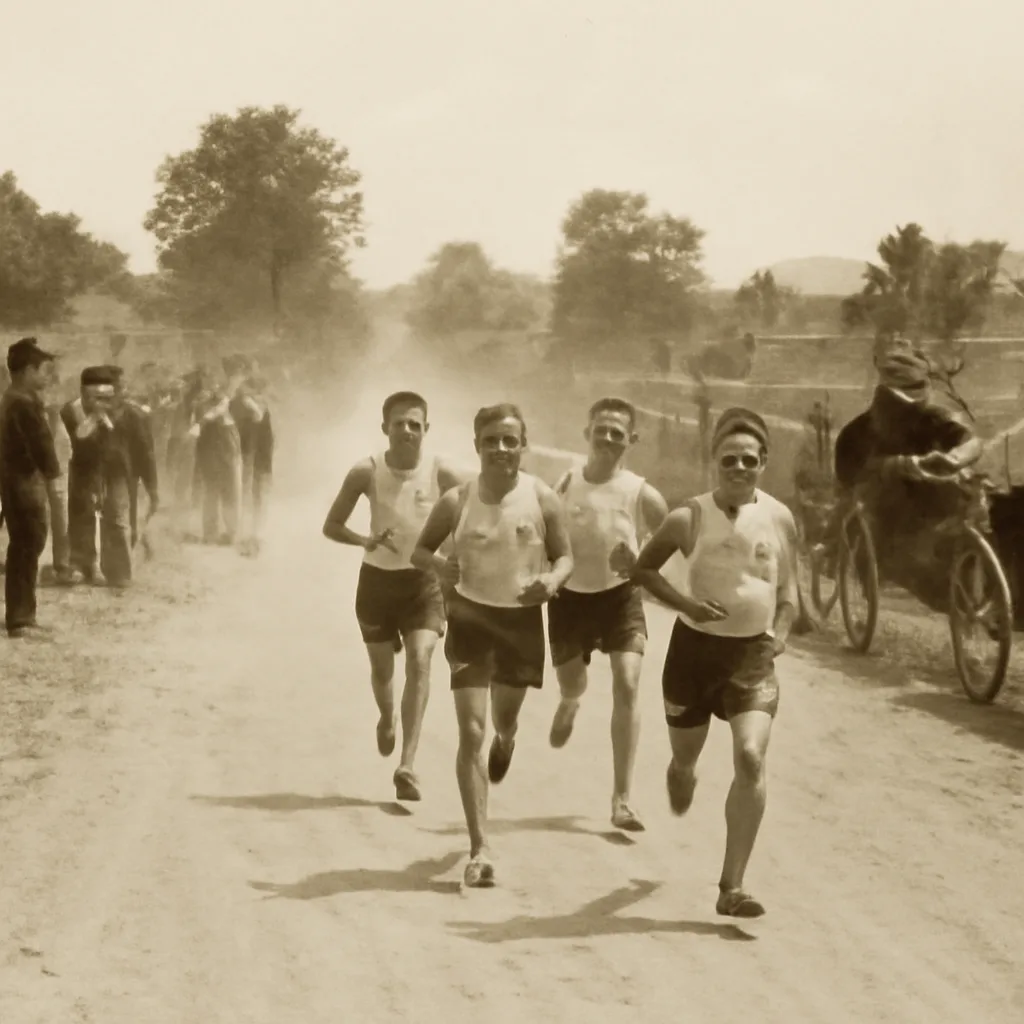
At the 1904 Olympic marathon in St. Louis on July 24, a competitor finished in an extreme state of dehydration and reported hallucinations amid brutal heat, dust, and scant official support—an episode that highlighted the era's limited understanding of endurance medicine.
Competitors struggled with heat, dust, and exhaustion. Several entrants suffered from severe physical distress; at least one runner who completed the course was described in contemporary accounts as severely dehydrated and experiencing hallucinations. Those reports reflect both the physiological effects of prolonged exertion in heat without adequate rehydration and the limited medical knowledge and race protocols of the early 20th century. Contemporary newspaper coverage and later historical accounts emphasize sensory disturbances—confusion, disorientation, and visual or auditory misperceptions—among some participants, attributable to heat illness, hyperthermia, hypotension, and the cumulative effects of dehydration and fatigue.
Medical understanding at the time did not yet distinguish the specific electrolyte and fluid-balance mechanisms recognized today. Race officials and observers sometimes encouraged or allowed practices now known to be dangerous, such as withholding water or offering stimulants. The combination of environmental stressors and inadequate medical support contributed to several dramatic incidents during the event, underscoring how early marathon contests could involve serious risk.
The 1904 St. Louis marathon has since been cited by historians of sport and medicine as an example of the hazards faced by early long-distance runners and of how sports governance and medical protocols have evolved. Modern marathon standards—regular hydration stations, medical teams on course, heat-warning protocols, and athlete education—are in part responses to lessons learned from such episodes. While contemporary accounts sometimes vary in specifics, the core facts are consistent: the race subjected runners to extreme conditions, and at least one finisher required medical attention after completing the course while severely dehydrated and reporting hallucinations.
This episode is not presented to sensationalize individual suffering but to note a historically documented incident that contributed to changing attitudes about athlete health and race organization. It also serves as a reminder that endurance sport safety is a product of cumulative experience and advances in physiology and event management.