
06/25/1987 • 5 views
Congressional Hearings Expose Covert Arms-for-Hostages Network
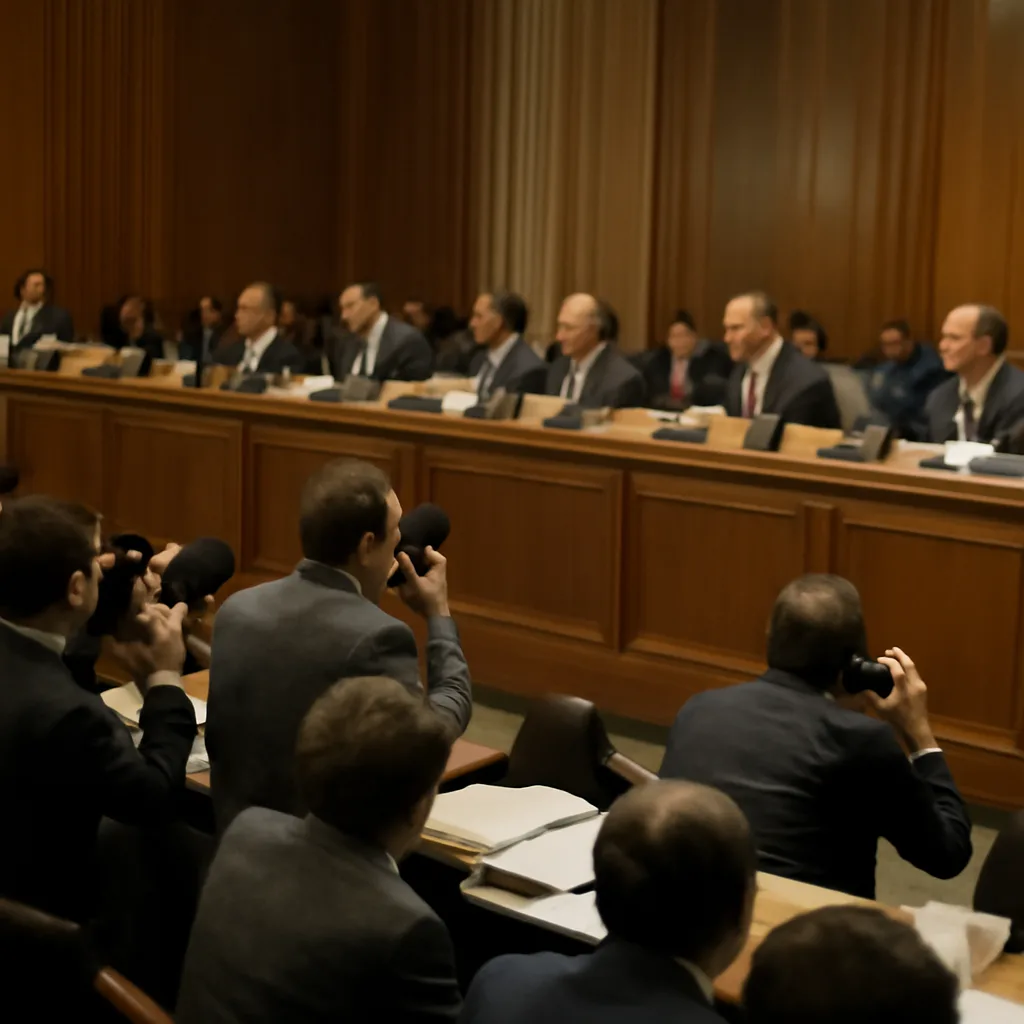
On June 25, 1987, televised congressional hearings revealed that senior U.S. officials had authorized secret arms shipments to Iran and diverted proceeds to Contra rebels in Nicaragua, sparking a scandal over covert foreign policy and executive accountability.
Background
The controversy centered on two related initiatives: secret sales of arms to Iran, then subject to an arms embargo, and the diversion of funds derived from those sales to support the Contras, insurgents fighting Nicaragua’s Sandinista government. The Reagan administration publicly denied negotiating with hostage-takers or contravening congressional restrictions on aid to the Contras. Behind the scenes, however, U.S. operatives and private intermediaries were engaged in negotiations and logistical efforts that blurred official lines of oversight.
June 25, 1987 Hearings
The hearings that reached a peak on June 25 were part of a sustained congressional investigation that included live, nationally broadcast testimony and the presentation of documentary evidence. Witnesses included National Security Council staffers, military officers, and civilian intermediaries. Testimony and documents revealed a chain of communications and actions—some deniable at high levels—that showed how arms were shipped, payments handled, and funds diverted. The hearings highlighted tensions between the executive branch’s covert operations apparatus and Congress’s authority to regulate foreign assistance and oversee national security policy.
Findings and Political Fallout
The hearings catalyzed a larger inquiry by independent prosecutors and congressional committees. Public disclosures prompted debates about presidential authority, the role of covert operations in U.S. foreign policy, and whether administration officials had violated laws, including statutes restricting support for the Contras and prohibitions on negotiating with hostage-takers. The investigations resulted in several indictments and convictions of administration officials and advisers, though some convictions were later vacated or pardoned. The affair damaged public trust in parts of the Reagan administration and led to calls for clearer oversight of covert activities.
Historiographical Notes
Historians and legal scholars view the Iran-Contra hearings as a key episode in late Cold War U.S. politics, emblematic of tensions between elected officials’ accountability and the secrecy inherent in some national security operations. While the core facts—arms shipments to Iran and diversion of funds to the Contras—are well documented through congressional records, archived documents, and legal proceedings, debates persist about the extent of knowledge and direct involvement by the president and other senior policymakers. Some details remain contested in scholarly literature, particularly concerning the precise chain of command and the intentions behind specific decisions.
Legacy
The Iran-Contra hearings of June 1987 remain a reference point in discussions about executive power, congressional oversight, and the ethical and legal limits of covert action. They prompted reforms aimed at strengthening reporting requirements for covert operations and reinforced the political expectation that covert programs require clear legal and institutional checks. For the public, the hearings underscored how clandestine foreign-policy decisions can surface through investigative processes and reshape political accountability.
Sources and Documentation
This summary is based on congressional records, contemporaneous news coverage, and subsequent legal and historical analyses of the Iran-Contra affair. Specific witness statements and committee reports from the June 1987 hearings are available in the published archives of the U.S. Congress and the public record of the independent investigations that followed.