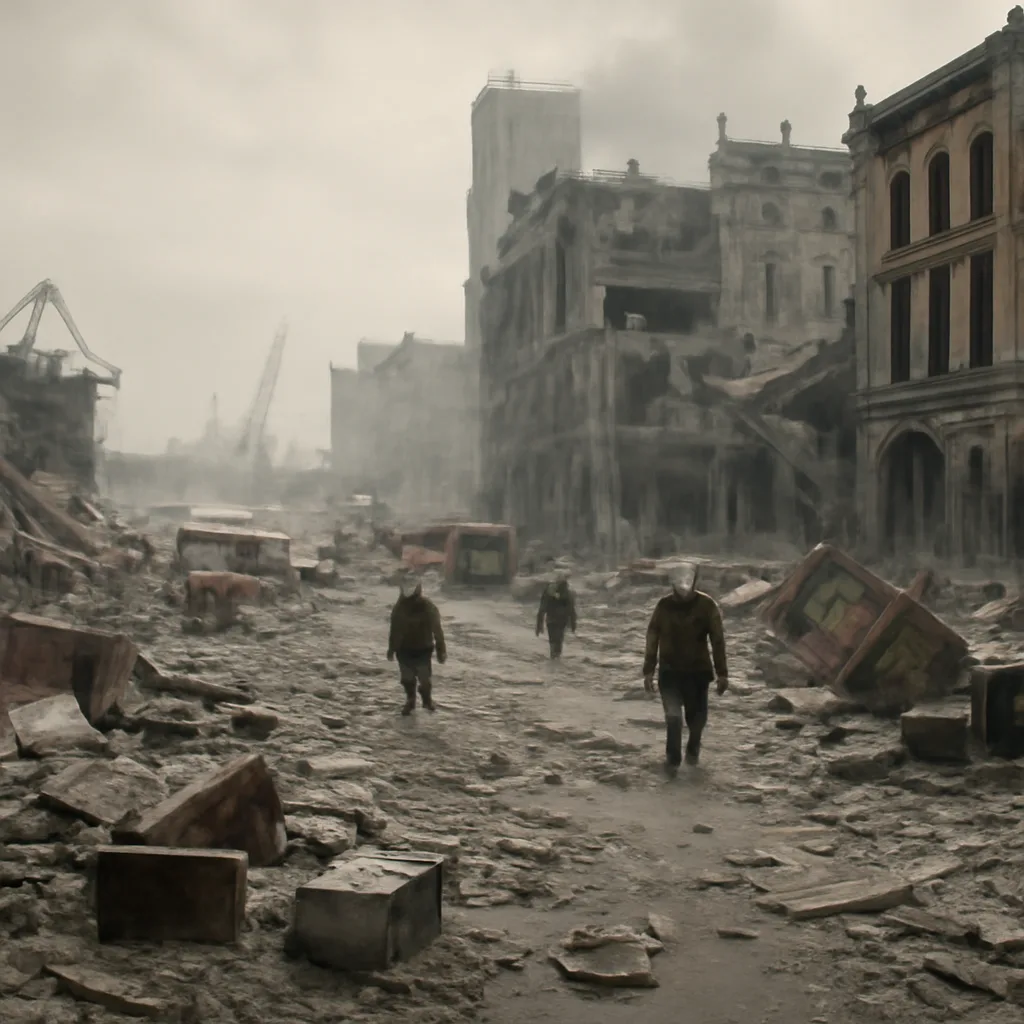
Massive Beirut port explosion kills hundreds, devastates city
On December 31, 2020, a huge blast at Beirut’s port from stored ammonium nitrate tore through the city, killing and injuring hundreds, flattening neighborhoods, and prompting national and international outcry over negligence and government failures.
On 31 December 2020, a massive explosion struck the Port of Beirut, Lebanon’s capital, after a large quantity of ammonium nitrate stored in a warehouse ignited. The blast generated a shockwave that caused widespread destruction across Beirut, flattened surrounding districts, shattered windows and facades for miles, and produced a death toll and injury count that rose into the hundreds and thousands respectively. Damage estimates ran into the billions of dollars and left tens of thousands homeless.
Background and cause
The immediate cause of the disaster was the detonation of several hundred tonnes of ammonium nitrate that had been stored, reportedly unsafely, in Warehouse 12 at the port since 2013 following its seizure from a merchant ship. Investigations by Lebanese authorities, independent experts, and international analysts identified negligent storage and mismanagement as critical factors. Multiple inquiries, both domestic and international, examined how such a large quantity of a highly explosive chemical remained at a busy urban port for years without adequate safety measures. Determinations about exact ignition sequence and responsibility evolved over time and remained the subject of legal and political dispute.
Human toll and damage
Initial reports from hospitals and emergency responders described scenes of mass casualties, widespread trauma, and overwhelmed medical facilities. Official and independent counts varied during the aftermath; Beirut’s health system, already strained by economic crisis and the COVID-19 pandemic, was pushed to its limits. Historic neighborhoods including the port-adjacent districts of Mar Mikhael, Gemmayzeh, and parts of Achrafieh suffered severe structural damage. Cultural landmarks, shops, homes and apartment buildings were extensively damaged or destroyed.
Response and political fallout
The explosion prompted an immediate domestic emergency response and offers of international assistance. Rescue teams, medical personnel, and humanitarian organizations provided aid, while governments and NGOs sent financial, medical and technical support. The disaster intensified public anger at perceived official negligence and corruption. Large protests and renewed demands for accountability followed; within days, Lebanon’s government resigned amid the political crisis, though questions about long-term accountability and reform persisted.
Investigations and legal process
Lebanese prosecutors opened criminal investigations and detained several port officials and others. International forensic teams and independent journalists published analyses on the storage conditions and likely chemical processes that could have led to the blast. Legal and political obstacles, including conflicts over judicial independence and security-sector influence, complicated efforts to reach definitive judicial conclusions. As of late 2020 and into subsequent years, multiple investigations and court proceedings were ongoing, with some suspects charged while broader institutional accountability remained contested.
Long-term impact
Beyond immediate casualties and destruction, the explosion accentuated Lebanon’s economic and political crises, disrupted commerce through the country’s main port, and exacerbated housing and public-health challenges. Reconstruction efforts involved a mix of government plans, private initiatives and international assistance, but progress was uneven amid continuing fiscal instability. Cultural heritage and community fabric in affected neighborhoods suffered long-term consequences, and many residents faced prolonged displacement.
Uncertainties and contested facts
While the presence of large quantities of ammonium nitrate and unsafe storage is widely documented and accepted as central to the disaster, exact technical details about the ignition source, sequence of events and full chain of responsibility have been contested and subject to ongoing inquiry. Official casualty and damage figures varied by source and evolved over time; independent verification efforts and legal proceedings sought greater clarity.
The Beirut port explosion remains a focal point in discussions about governance, accountability and safety in Lebanon, and its social and political reverberations continued to shape the country’s trajectory in the years after the blast.